





What's Happening?
The field of plant biotechnology is undergoing significant advancements aimed at addressing complex agricultural challenges such as climate change, land degradation, and food demand. Integrative multi-omics and genome editing are at the forefront, enabling
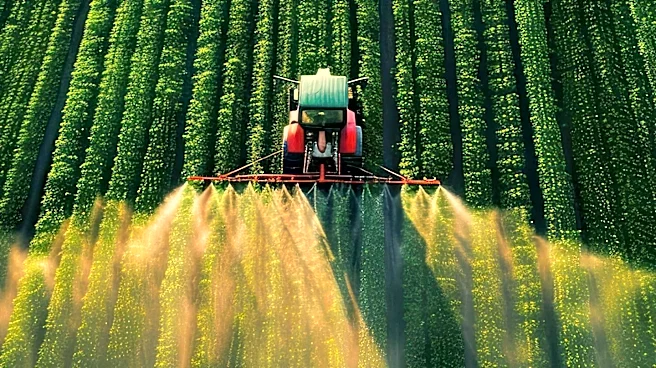
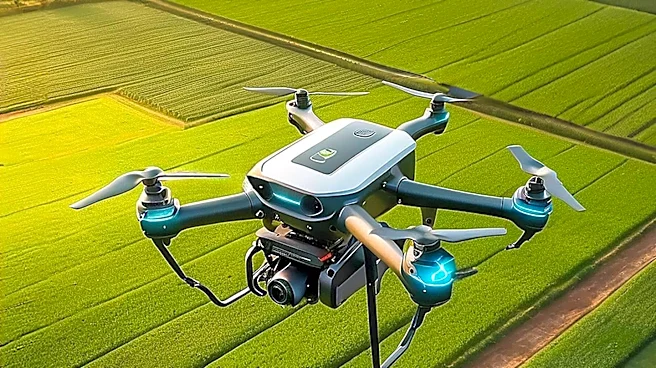
precision crop improvement and resilience. These technologies facilitate the development of crops with enhanced productivity, nutritional quality, and environmental adaptability. Genome editing, particularly CRISPR-Cas systems, allows for precise genetic modifications, offering flexibility in improving agronomic traits without introducing foreign genetic material. This approach is crucial for developing crops with improved disease resistance, stress tolerance, and nutrient-use efficiency. The convergence of biotechnology with digital agriculture is also creating opportunities for precision crop improvement, supporting the development of climate-smart agricultural systems.
Why It's Important?
These advancements in plant biotechnology are pivotal for sustainable agricultural transformation. By enhancing crop resilience and productivity, these technologies can significantly contribute to food security and environmental sustainability. The ability to develop crops that require fewer external inputs and exhibit greater nutrient-use efficiency aligns with global efforts to reduce greenhouse gas emissions and conserve biodiversity. Moreover, the integration of biotechnology with digital agriculture supports data-driven decision-making, optimizing resource use and improving agricultural efficiency. This transformation is essential for addressing the growing demand for food and bio-based products while mitigating the impacts of climate change.