


What's Happening?
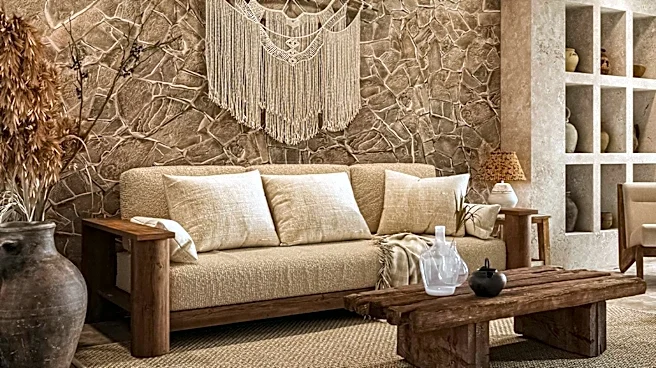
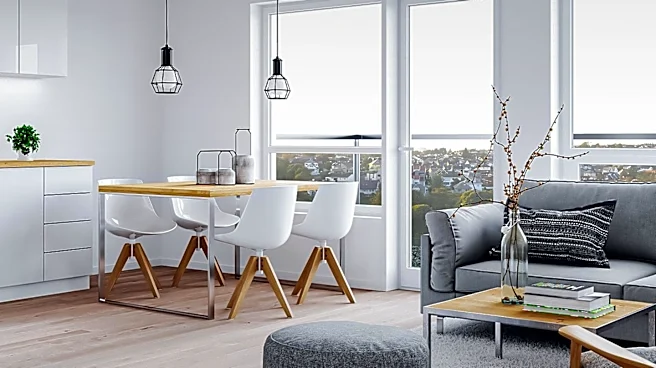
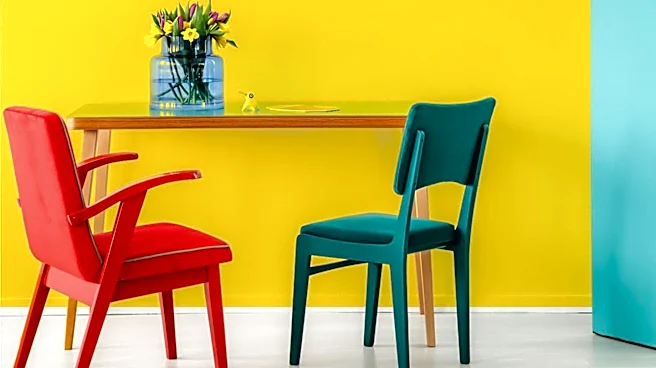
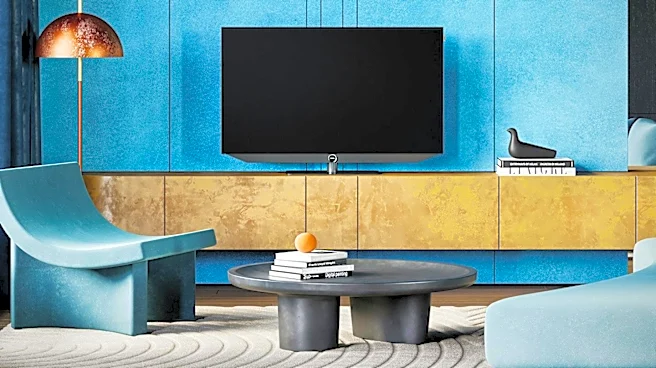
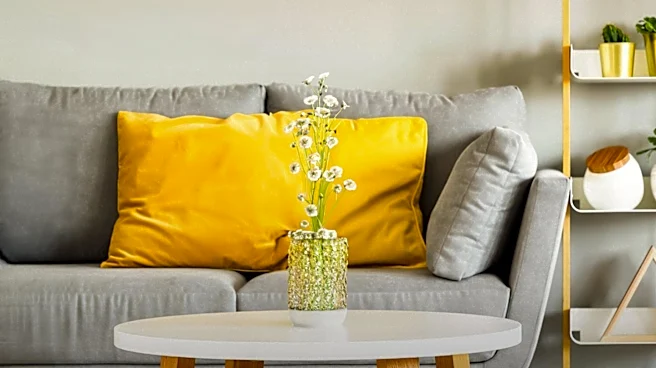
Scandinavian design, long globally recognized for its minimalism, neutral tones, and functional aesthetic, is experiencing a significant shift. Contemporary designers like Gustaf Westman, Helle Mardahl, and Kaja Dahl are introducing vibrant colors, humor,
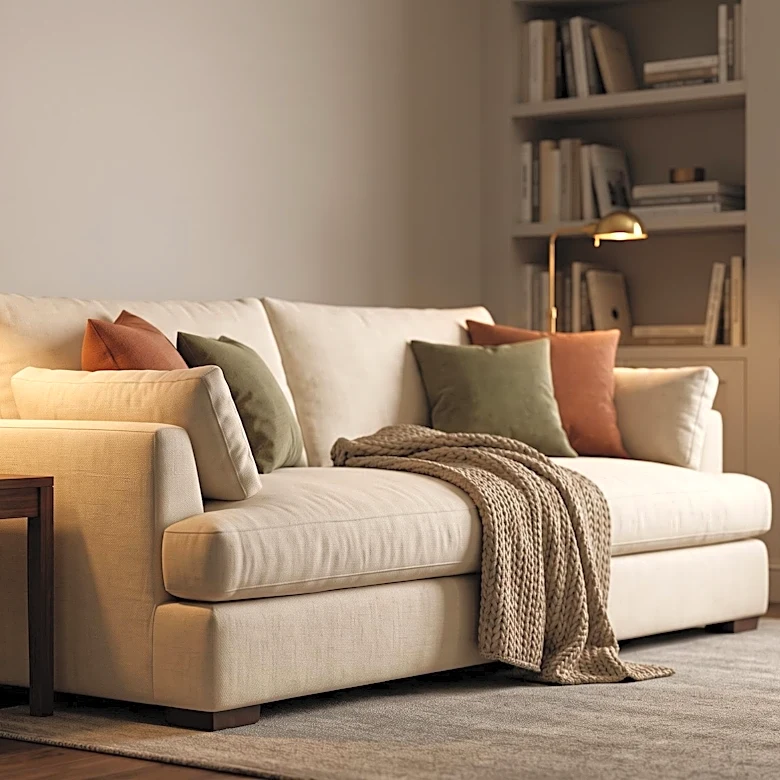
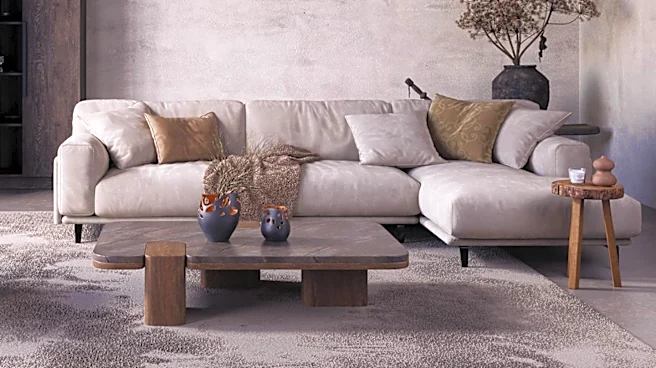
and distinct personality into interiors, a trend dubbed 'dopamine decor.' This evolution challenges the prevailing international perception of Scandinavian design, which curator Hanna Nova Beatrice suggests might be its least interesting expression. The global association of Scandinavia with minimalism was heavily influenced by entities like IKEA, which successfully exported a vision of affordable, neutral furnishings. However, the original philosophy of Scandinavian design, emerging in the late 19th and early 20th centuries, was less about aesthetic perfection and more about wise resource utilization, durability, and creating accessible, useful products for everyday life. Influential figures such as Austrian-born architect Josef Frank actively advocated for colorful, layered interiors, believing them to be more psychologically comforting than plain surfaces, a stark contrast to the beige-dominated image often associated with the style.
Why It's Important?
This re-evaluation of Scandinavian design holds significance for the U.S. market, particularly in the interior design and retail sectors. For consumers, it signals a potential diversification of available styles, moving beyond the ubiquitous neutral palettes that have dominated home decor for years. This shift could lead to increased demand for more expressive, colorful, and personalized home furnishings, impacting manufacturers and retailers who have largely catered to minimalist trends. The emphasis on 'dopamine decor' suggests a broader cultural move towards interiors that evoke joy and individuality, potentially influencing design education and consumer preferences. Furthermore, it highlights a deeper understanding of design philosophy, moving beyond superficial aesthetics to embrace the original tenets of functionality, durability, and thoughtful resource use. This could encourage a more sustainable approach to consumption, where products are valued for their longevity and repairability rather than disposability, aligning with growing consumer interest in ethical and environmentally conscious choices.
What's Next?
The trend towards 'dopamine decor' is likely to gain further traction in the U.S. market, with more designers and retailers incorporating bolder colors, playful forms, and unique textures into their collections. We can anticipate a rise in collaborations between U.S. brands and Scandinavian designers who embody this new aesthetic, leading to a wider array of products available to consumers. Interior design publications and influencers will likely feature more of these vibrant, personality-driven spaces, further popularizing the movement. This could also prompt a re-examination of how design is taught and perceived, encouraging a more holistic approach that values cultural context and individual expression over rigid stylistic adherence. As consumers become more aware of the broader history and philosophy of Scandinavian design, there may be a greater appreciation for craftsmanship and sustainability, influencing purchasing decisions beyond mere aesthetics.
Beyond the Headlines
Beyond the immediate aesthetic shift, this evolution in Scandinavian design reflects a broader cultural yearning for authenticity and emotional connection in personal spaces. The move away from sterile minimalism towards more expressive and colorful interiors can be seen as a response to an increasingly complex and often overwhelming world, where home becomes a sanctuary for joy and self-expression. Ethically, it reinforces the original Scandinavian design principles of sustainability and thoughtful consumption, encouraging consumers to invest in durable, repairable items rather than disposable trends. Legally, this shift might influence intellectual property discussions around design, as unique and personality-driven pieces become more prominent, potentially leading to increased protection for original designs. Culturally, it challenges the notion of a monolithic 'Scandinavian style,' promoting a more nuanced understanding of diverse Nordic design traditions and encouraging cross-cultural influences in interior aesthetics.