

What's Happening?
Red Bull, the energy drink company, has seen its two Formula 1 teams, Red Bull Racing and Racing Bulls (formerly Toro Rosso), achieve a combined valuation of $8.65 billion, according to Sportico's November 2026 rankings. This valuation stems from an initial
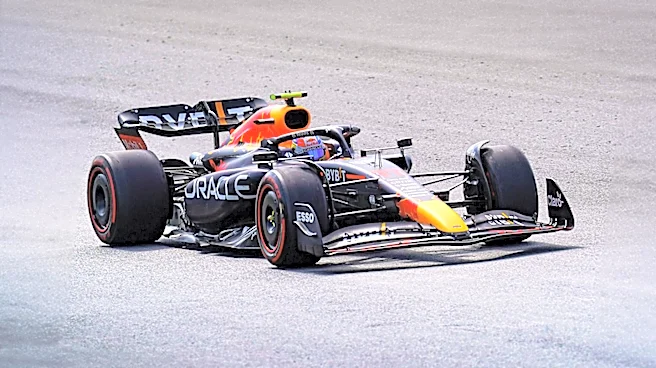
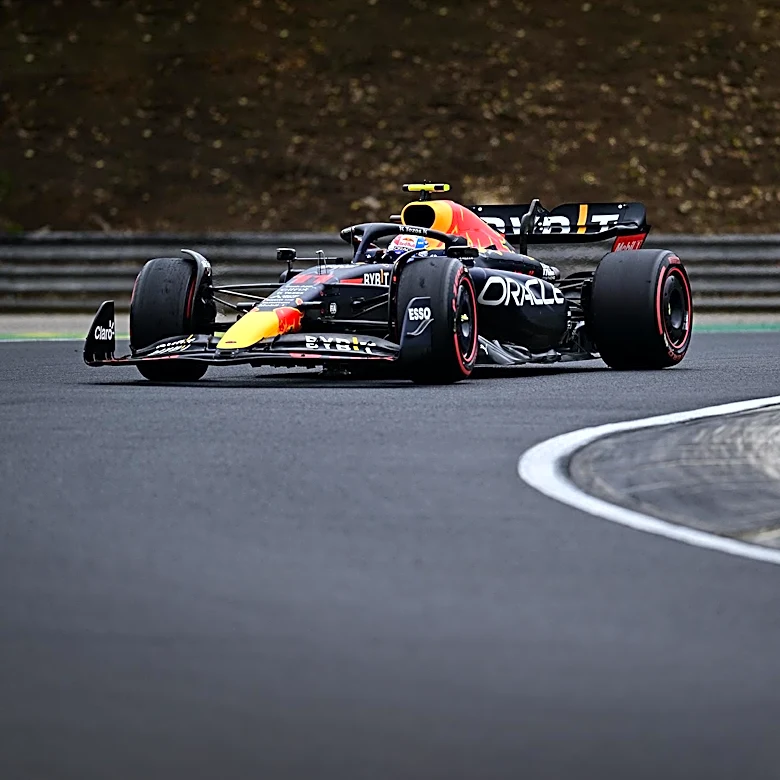
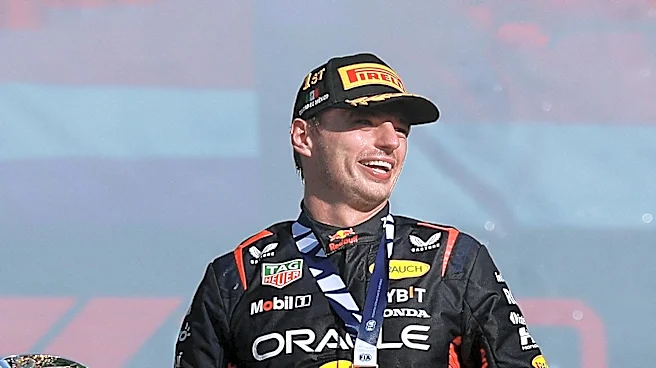
investment of $500,000 each by founder Dietrich Mateschitz and Thai creator Chaleo Yoovidhya to start Red Bull in 1984, with the drink launching in Austria in 1987. Mateschitz acquired the struggling Jaguar F1 team from Ford in November 2004 for a reported symbolic dollar, committing to invest $400 million over three seasons, and it began racing as Red Bull Racing in 2005. A second team, Minardi, was acquired in September 2005 by Mateschitz and Gerhard Berger, becoming Toro Rosso in 2006 and later Racing Bulls. Red Bull Racing has secured six constructors' championships and eight drivers' titles, with Sebastian Vettel winning four and Max Verstappen also winning four. Racing Bulls is valued at $3.05 billion, a 49% increase, while Red Bull Racing is valued at $5.6 billion, up 30% from the previous year.
Why It's Important?
The substantial valuation of Red Bull's Formula 1 teams underscores the significant financial returns possible through strategic investments in global sports, particularly in high-profile events like Formula 1. This success demonstrates how a company can leverage sports sponsorships and team ownership to enhance brand visibility and generate substantial revenue beyond its core product. For the U.S. market, the growing popularity of Formula 1, partly fueled by Red Bull's competitive presence, translates into increased viewership, advertising revenue, and potential for related business ventures. The investment in two teams also highlights a successful talent development pipeline, as seen with Sebastian Vettel's progression from Toro Rosso to Red Bull Racing, which can inspire similar models in other sports and industries. This model showcases how a brand can create a self-sustaining ecosystem that drives both athletic achievement and financial growth, influencing how other U.S. companies might approach sports marketing and ownership.
What's Next?
The continued high valuation and competitive success of Red Bull's Formula 1 teams suggest ongoing investment and expansion within the sport. With Red Bull Racing consistently winning championships and Racing Bulls showing significant growth in value, the company is likely to maintain its dual-team strategy, fostering talent and maximizing its presence in Formula 1. This could lead to further technological advancements in racing, increased fan engagement, and potentially more races or events in the U.S., given the sport's rising popularity there. Other companies may look to Red Bull's model as a blueprint for integrating brand promotion with high-performance sports, potentially leading to more corporate involvement in racing and other sports. The legacy of Dietrich Mateschitz, who passed away in October 2022, will continue to influence the teams' direction, emphasizing a blend of aggressive marketing and competitive excellence.
Beyond the Headlines
Red Bull's journey from an energy drink to a dominant force in Formula 1 reveals a deeper narrative about brand building and strategic diversification. The company's approach goes beyond simple sponsorship; it involves full ownership and development of sports entities, creating a powerful synergy between its product and its athletic endeavors. This model has transformed how brands engage with sports, moving from passive advertisers to active participants and owners. The success also highlights the global appeal and economic power of Formula 1, which transcends national boundaries and attracts a diverse audience. Ethically, Red Bull's significant investment in sports raises questions about the influence of corporate entities on athletic competition and the potential for commercial interests to shape the landscape of professional sports. This strategy has set a precedent for how companies can achieve massive brand recognition and financial success by deeply embedding themselves in cultural phenomena like motorsports.