


What's Happening?
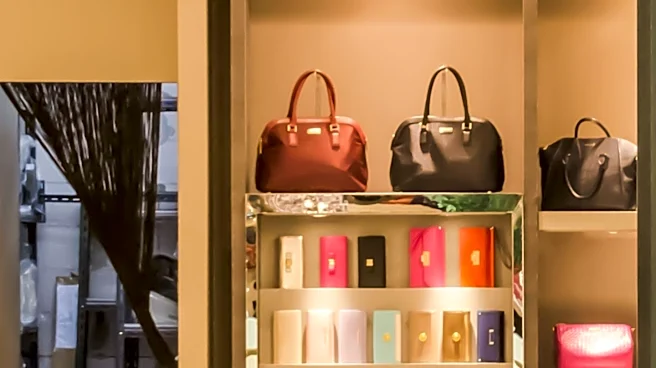
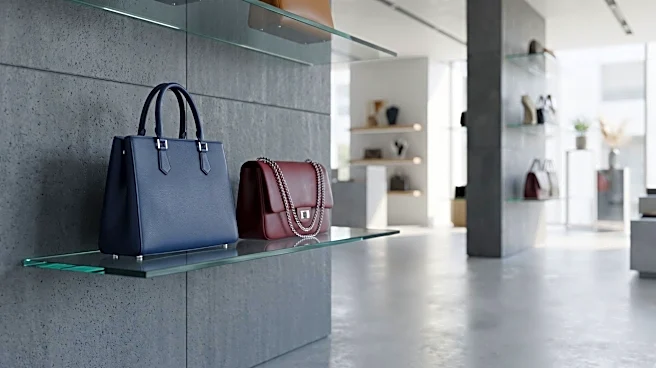
Fashionphile, a prominent ultra-luxury recommerce leader specializing in high-quality handbags, accessories, watches, jewelry, and shoes from exclusive brands, is actively recruiting for a full-time Retail Sales Specialist in Irvine, California. This
on-site position is crucial for engaging clients, delivering an elevated customer experience, and driving sales within their luxury product categories. Daily responsibilities for the specialist include guiding clients through both buying and selling processes, showcasing products with comprehensive brand and product knowledge, and assisting with authentication and intake procedures. The role also encompasses managing transactions, maintaining visual merchandising standards, and ensuring the sales floor remains organized. Fashionphile emphasizes its innovative retail partnership with Neiman Marcus, which integrates primary and secondary luxury markets through a seamless, technology-driven ecosystem. The company leverages proprietary recommerce technology, a pricing algorithm, and an authentication platform to ensure a highly efficient and trusted resale experience for its clientele.
Why It's Important?
This hiring initiative by Fashionphile underscores the significant growth and increasing formalization of the ultra-luxury recommerce market in the U.S. The demand for specialized roles like Retail Sales Specialist highlights the industry's need for skilled professionals who can navigate the complexities of luxury goods authentication, customer service, and sales in a resale context. The partnership with Neiman Marcus is particularly impactful, as it bridges traditional luxury retail with the burgeoning secondary market, offering consumers more accessible and sustainable options for high-end products. This trend not only broadens the customer base for luxury items but also promotes a circular economy within the fashion industry, reducing waste and extending the lifecycle of expensive goods. For consumers, it provides a trusted platform for both purchasing authenticated pre-owned luxury items and selling their own, thereby democratizing access to luxury fashion and potentially influencing consumer spending habits towards more sustainable choices.
What's Next?
Fashionphile's continued expansion, evidenced by this hiring, suggests a sustained focus on enhancing its in-person and omnichannel experiences. The company is likely to further integrate its digital platforms with physical retail, potentially leading to more strategic partnerships and an increased physical footprint in key luxury markets across the U.S. The emphasis on authentication and a seamless customer experience indicates a commitment to building trust and reliability in the recommerce sector, which could set new industry standards. Future developments may include the expansion of product categories, further technological advancements in their authentication and pricing algorithms, and potentially more aggressive marketing strategies to attract both buyers and sellers. The success of this role and similar future hires will be critical in solidifying Fashionphile's position as a leader in the ultra-luxury resale market and influencing the broader retail landscape.
Beyond the Headlines
The growth of companies like Fashionphile reflects a broader cultural shift towards sustainability and conscious consumption, even within the luxury market. Consumers are increasingly valuing the longevity and reusability of high-end products, moving away from fast fashion's disposable model. This trend has significant ethical implications, as it encourages a more responsible approach to manufacturing and consumption, potentially reducing the environmental footprint of the fashion industry. Legally, the robust authentication processes employed by Fashionphile are crucial in combating the pervasive issue of counterfeit goods, protecting both consumers and brand integrity. The integration of recommerce into mainstream luxury retail, as seen with the Neiman Marcus partnership, also challenges traditional notions of luxury, making it more accessible and potentially redefining what 'new' means in the context of high fashion. This evolution could lead to new business models and investment opportunities in the circular economy, impacting economic stakeholders across the retail spectrum.