


What's Happening?
Museums and exhibition spaces are employing strategic wallpaper choices to create immersive environments that complement artwork without detracting from it. For traditional art settings, subtle textures and deep, muted tones like warm charcoal or dusty
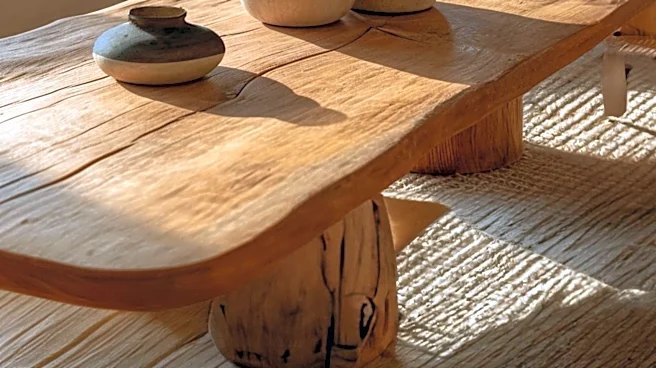
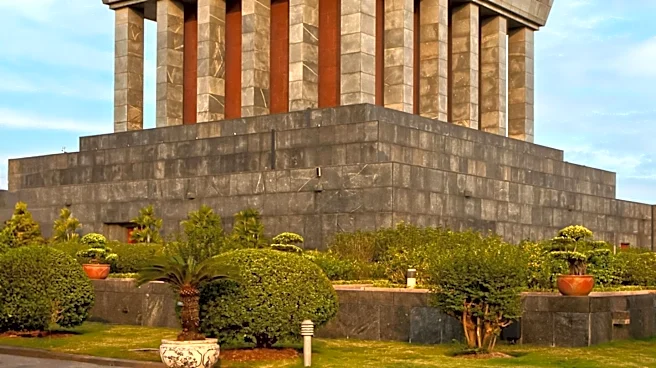
sage are favored to provide a rich, grounded backdrop for paintings and sculptures. In contrast, contemporary or themed exhibitions are increasingly using large-scale wall murals to make the wall itself part of the visitor experience, contributing to the narrative of a space. The selection of wallpaper also considers materials like polished concrete, dark wood, or stone to anchor the overall design, and lighting plays a crucial role in how colors and patterns are perceived. Corridors, reception areas, and transitional zones are also being designed with wallpapers featuring architectural motifs, geometric patterns, or tonal gradients to define these spaces and maintain a coherent visual language throughout the building, guiding visitors and shaping first impressions.
Why It's Important?
The deliberate use of wallpaper in museums signifies a growing understanding of environmental psychology in exhibition design, impacting how art is perceived and how visitors engage with cultural institutions. By carefully curating the visual backdrop, museums can enhance the emotional and intellectual connection between the viewer and the artwork, potentially increasing visitor satisfaction and the educational impact of exhibitions. This approach can also influence the longevity and preservation of art, as considerations for lighting and material compatibility are integrated into the design process. For the broader design and art industries, this trend highlights the evolving role of interior design elements in creating holistic experiences, moving beyond mere aesthetics to functional and narrative contributions. It also opens new avenues for wallpaper manufacturers and designers to collaborate with cultural institutions, fostering innovation in materials and patterns tailored for specific artistic contexts.
What's Next?
The trend of integrating wallpaper as a critical element of museum design is likely to continue evolving, with potential advancements in customizable and interactive wall coverings. Future developments might include digital wallpapers that can change themes or patterns to match rotating exhibitions, or materials that offer enhanced light reflection or absorption properties to optimize viewing conditions for various art forms. We may also see increased collaboration between artists and wallpaper designers to create bespoke installations that are integral to the artistic presentation. This could lead to new curatorial practices where the exhibition space itself becomes a dynamic canvas, offering visitors a more multi-sensory and immersive journey through art and culture. The focus will remain on balancing aesthetic appeal with the primary goal of showcasing art effectively and creating memorable visitor experiences.
Beyond the Headlines
Beyond the immediate visual impact, the strategic use of wallpaper in museums touches upon deeper implications regarding the commodification of art and the visitor's role in the exhibition space. By making the walls an active part of the narrative, museums are subtly influencing how art is consumed, potentially shifting the focus from individual pieces to the overall curated experience. This could lead to a more theatrical or experiential approach to museum-going, where the environment is as much a part of the 'show' as the art itself. Ethically, this raises questions about the authenticity of the viewing experience and whether such immersive designs might inadvertently overshadow the art they are meant to support. Culturally, it reflects a broader societal shift towards experience-driven consumption, where the 'Instagrammability' of a space can sometimes compete with its intrinsic artistic value, prompting institutions to find a delicate balance between engagement and reverence.