


What's Happening?
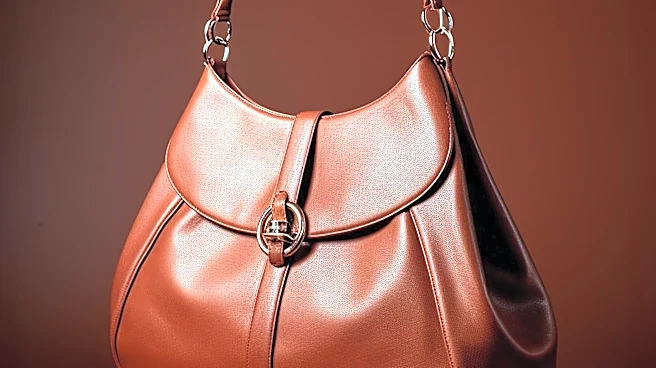
Hermès, a prominent ultra-luxury brand, continues to exhibit strong resilience in the market, attributed to its enduring appeal and commitment to high-quality craftsmanship. The brand's products, particularly its leatherwork, are noted for maintaining
their value and character over extended periods. This longevity aligns with the principles of circular fashion, which emphasizes keeping luxury items in use and appreciating them beyond their initial purchase. Unlike fast fashion, which prioritizes speed and novelty, luxury houses like Hermès develop signature styles and quality that endure for decades, making their products highly sought after in the resale market. This approach allows consumers to access heritage pieces, discontinued designs, and exceptional value, while also promoting sustainability by extending the lifecycle of luxury goods.
Why It's Important?
The resilience of ultra-luxury brands like Hermès highlights a significant trend in consumer behavior and market valuation. Investors and consumers are increasingly drawn to products that offer lasting value, scarcity, and superior materials, especially in an economic climate where durability and sustainability are prized. The emphasis on circular fashion within the luxury sector indicates a shift towards more conscious consumption, where items are viewed as investments rather than transient purchases. This model benefits consumers by providing access to high-end goods at potentially more attainable prices through the pre-loved market, while also supporting environmental goals by reducing waste. For the luxury industry, it reinforces the importance of craftsmanship, heritage, and timeless design as key differentiators against fast-fashion competitors.
What's Next?
The continued success of brands like Hermès in the circular fashion economy suggests a growing market for authenticated pre-owned luxury goods. This trend is likely to encourage other luxury brands to further embrace resale, repair, and reuse models, potentially leading to more formalized brand-backed resale programs. Consumers can expect an expansion of curated resale platforms that prioritize authenticity and detailed condition reporting, enhancing buyer confidence. Furthermore, the focus on product longevity may influence design and manufacturing processes within the luxury sector, with an even greater emphasis on durable materials and repairability. This could also lead to increased investment in after-sales care services to maintain the value and lifespan of luxury items.
Beyond the Headlines
The enduring appeal of Hermès and the broader ultra-luxury market reflects deeper cultural and economic shifts. In an era of rapid technological change and planned obsolescence, the desire for items that embody permanence, tradition, and artisanal skill becomes more pronounced. This trend also touches upon ethical considerations, as consumers increasingly seek brands that align with sustainable practices and responsible consumption. The concept of luxury as an investment, rather than just a purchase, challenges traditional notions of consumerism and highlights the intrinsic value placed on quality and heritage. This could foster a more discerning consumer base that values craftsmanship and longevity over fleeting trends, potentially influencing purchasing habits across various market segments.