





What's Happening?
Gen Z has adopted the term 'polyester' as a new viral insult, using it to describe anything perceived as generic, low-quality, or inauthentic. This slang originated in the video editing community, particularly with the 'Polyester Spider-Man Edit' on TikTok,
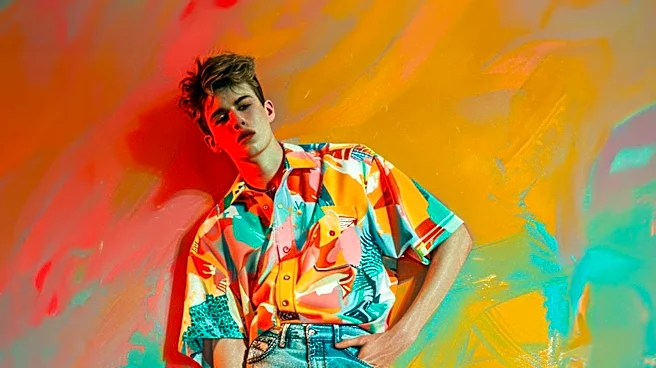
which features chaotic, fast-cut clips with metallic audio. The term has since expanded to describe lifestyles, products, and even people. The negative connotation stems from a growing perception of polyester fabrics as cheap compared to high-blend cotton, leading to efforts by many Gen Z creators to rid their closets of polyester clothing. This trend is part of a broader Gen Z zeitgeist focused on authenticity and quality, alongside other terms like 'larping' and 'industry plant.'
Why It's Important?
This linguistic evolution reflects Gen Z's heightened concern for authenticity and quality in an increasingly digital and often curated world. The rejection of 'polyester' signifies a desire to distinguish genuine experiences and products from those that are perceived as mass-produced, performative, or lacking substance. This trend has implications for consumer markets, influencing fashion choices, content creation, and brand perception. Businesses and influencers catering to Gen Z must navigate this emphasis on authenticity, as anything deemed 'polyester' risks being dismissed. It also highlights how online platforms like TikTok serve as incubators for new cultural norms and language, rapidly shaping generational values and expressions.
Beyond the Headlines
The 'polyester' insult, alongside terms like 'larping' and 'performative male,' reveals a deeper generational anxiety about identity and self-presentation in the digital age. Gen Z, having grown up with constant online scrutiny, places significant value on being perceived as 'real' and 'authentic.' This drive for authenticity can be seen as a response to the pervasive influence of influencers, artificial intelligence, and ad-driven content, leading to a collective distrust of anything that appears overly polished or manufactured. The phenomenon underscores the psychological impact of social media on young people, where the constant editing of self and the fear of being labeled 'try-hard' or 'awkward' shape their interactions and cultural expressions.