








What's Happening?
Researchers and pediatricians are increasingly emphasizing the content of teenagers' online experiences over the total amount of time spent on screens. This shift in focus acknowledges that simply counting minutes does not provide a complete picture of a teen's
digital well-being. According to Wayne State University psychology professor Hannah Schacter, the nature of online interactions and content consumed can have a more significant impact than the duration of screen use. For instance, two teenagers spending the same amount of time online could have vastly different experiences: one might be engaging positively with friends, while another might be exposed to content that fosters feelings of inadequacy or anxiety. The American Academy of Pediatrics advises parents to understand what their teens encounter online, how it affects them emotionally, and whether media use is displacing other crucial activities. This perspective encourages a more nuanced approach to managing digital habits, moving beyond mere time limits to consider the quality and impact of online engagement.
Why It's Important?
This shift in understanding is crucial for parents, educators, and healthcare providers in the U.S. as it reframes the conversation around adolescent digital usage. Instead of a blanket approach to limiting screen time, it advocates for a more personalized and qualitative assessment of online activities. This can lead to more effective strategies for promoting healthy digital habits, as it encourages open dialogue between parents and teens about their online experiences. By focusing on content, parents can identify and address specific issues like cyberbullying, exposure to harmful material, or excessive social comparison, which may not be evident from screen time logs alone. This approach also empowers teens to make more conscious choices about their online interactions, fostering digital literacy and critical thinking skills. Ultimately, it aims to mitigate potential negative impacts of digital media while allowing teens to leverage its benefits for connection, learning, and personal growth.
What's Next?
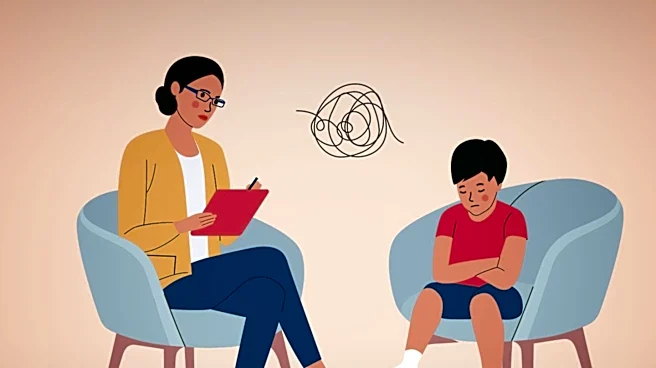
Moving forward, parents are encouraged to engage in more qualitative conversations with their teenagers about their online lives. This involves asking about what teens enjoy online, what activities feel meaningful, and if certain digital habits are interfering with sleep, schoolwork, or family time. Experts like Professor Schacter suggest approaching these discussions with curiosity rather than criticism to encourage teens to share more openly. Practical boundaries, such as putting phones away at bedtime and protecting in-person family time, remain important for establishing healthier digital habits. The American Academy of Pediatrics' '5 Cs of Media Use' framework (Child, Content, Calm, Crowding Out, and Communication) provides a guide for families to assess how digital experiences fit into a teen's overall life, including their mood and sleep patterns. This ongoing dialogue and adaptive approach will be key to navigating the evolving digital landscape for adolescents.
Beyond the Headlines
The emphasis on content over duration in screen time discussions highlights a broader societal challenge: understanding the complex interplay between technology and human development. This perspective acknowledges that digital tools are not inherently good or bad, but their impact is shaped by how they are used and the context of that use. It also underscores the need for digital literacy education that goes beyond technical skills to include critical evaluation of online information, understanding emotional responses to digital content, and fostering responsible online behavior. This shift could influence future app design, encouraging platforms to prioritize user well-being and provide tools that help users curate healthier online environments. Furthermore, it prompts a re-evaluation of how research on digital media's effects is conducted, moving towards more nuanced methodologies that capture the qualitative aspects of online experiences rather than solely quantitative metrics.