







What's Happening?
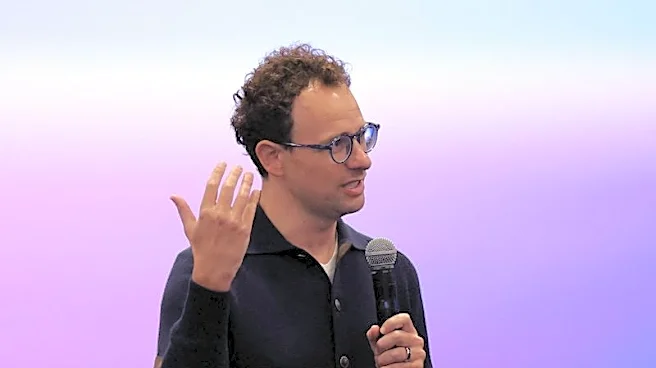
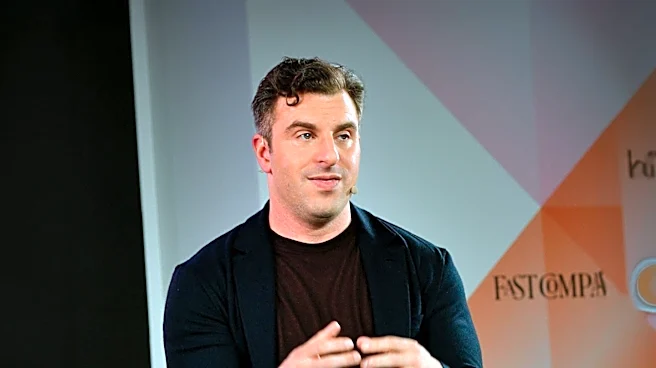
Brian Chesky, the CEO of Airbnb, has identified two categories of employees who he believes will struggle to remain relevant as artificial intelligence (AI) continues to transform the workplace. Speaking on the 'Invest Like the Best' podcast in May, Chesky stated
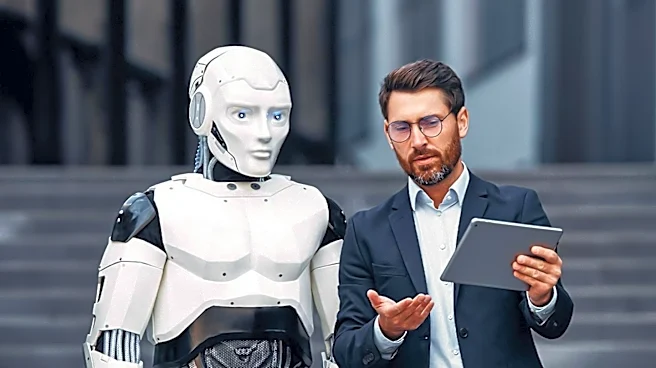
that managers whose primary role is limited to supervising people, rather than actively contributing to their team's work, may find their positions increasingly obsolete. He emphasized that managers should be directly involved in the work produced by their teams, citing former Apple design chief Jony Ive as an example of a leader who combined management responsibilities with hands-on product design. Additionally, Chesky highlighted that workers who are unwilling to adapt to new AI technologies and learn new skills will also face significant challenges in the evolving job market. These comments come as companies across various sectors are expanding their adoption of AI tools for tasks such as software development, customer support, and other business functions.
Why It's Important?
Chesky's remarks underscore a significant shift in the professional landscape, particularly for U.S. businesses and their workforce. The emphasis on 'hybrid' managers who possess both leadership and practical expertise suggests a move away from purely administrative management roles. This could lead to a restructuring of corporate hierarchies, potentially reducing the number of middle management positions that do not involve direct contribution to output. For employees, the warning about adapting to AI highlights the growing imperative for continuous learning and skill development. Those who resist integrating AI tools into their workflows may find themselves at a disadvantage, impacting job security and career progression. This perspective from a prominent tech CEO reflects a broader industry trend where AI is not just a tool for efficiency but a catalyst for redefining job roles and necessary competencies, affecting talent acquisition, training programs, and overall organizational design in the U.S. economy.
What's Next?
In response to the evolving AI landscape, U.S. companies are likely to increasingly prioritize upskilling and reskilling initiatives for their employees. Training programs focused on AI literacy and the practical application of AI tools will become more common, aiming to equip the workforce with the necessary competencies. Businesses may also re-evaluate their management structures, potentially favoring leaders who can demonstrate both strategic oversight and hands-on technical or creative contributions. This could lead to a demand for 'manager ICs' (individual contributors who also lead teams) across various industries. Employees, in turn, will need to proactively engage with new technologies and embrace a mindset of continuous learning to remain competitive. The long-term implications could include a more agile and adaptable workforce, but also potential job displacement for those unable or unwilling to evolve with technological advancements.
Beyond the Headlines
The implications of Chesky's statements extend beyond immediate job market shifts, touching upon the fundamental nature of work and human value in an AI-driven world. The call for managers to be 'hybrid' or 'manager ICs' suggests a re-evaluation of leadership, moving towards a model where direct contribution and technical understanding are as valued as traditional oversight. This could foster a more collaborative and less hierarchical work environment, potentially blurring the lines between management and individual contributors. Ethically, it raises questions about the responsibility of companies to provide adequate training and support for employees to adapt, rather than simply displacing those who struggle. Culturally, it challenges the perception of what constitutes 'valuable' work, shifting focus from purely supervisory roles to those that combine human creativity, problem-solving, and technological proficiency. This evolution could lead to a workforce that is more integrated with technology, but also one that faces increased pressure to constantly re-invent its skill set.