




What's Happening?
A new trend in Scandinavian interior design is emerging, moving beyond traditional minimalism to focus on tactile materials, layered lighting, and timeless pieces. This approach, highlighted at Copenhagen’s 3daysofdesign, encourages consumers to invest
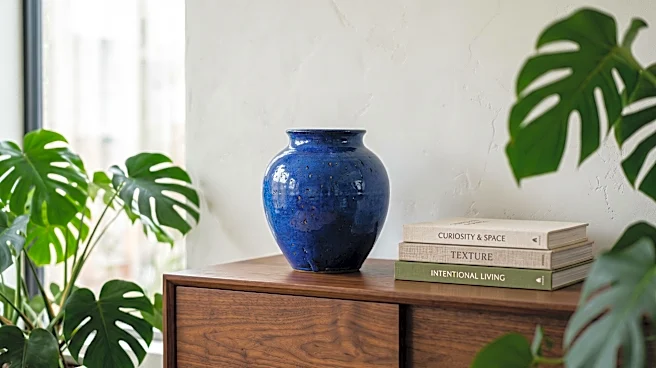
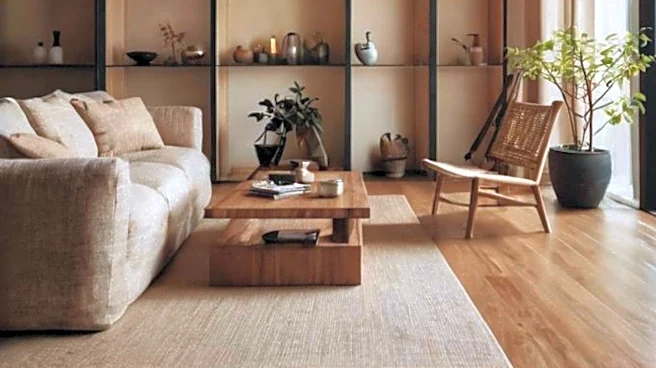
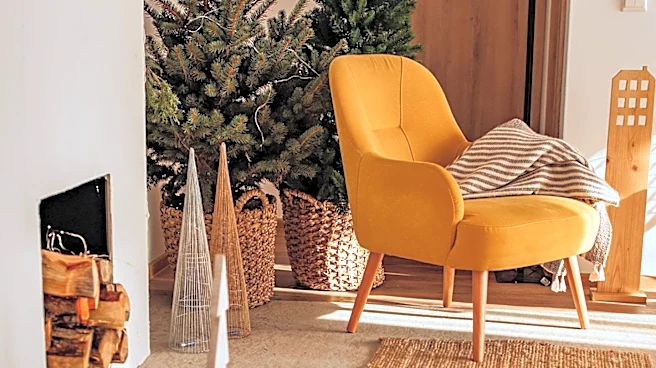
in furniture, lighting, and accessories that offer comfort, craftsmanship, and enduring design, rather than temporary seasonal decorations. The design philosophy emphasizes creating a home that serves as a space for gathering, shelter, and everyday rituals, drawing inspiration from the Danish concept of 'hygge.' The palette leans towards ivory, sand, warm beige, and earthy tones, allowing materials to speak for themselves, while textures and sculptural silhouettes add depth. Lighting is considered a crucial element, influencing the atmosphere and how people inhabit a room, with designers focusing on creating multiple layers of light from intimate corners to communal spaces.
Why It's Important?
This shift in Scandinavian design is important as it promotes a more sustainable and thoughtful approach to home decor, encouraging consumers to move away from fast furniture trends. By prioritizing timelessness and durability, it could influence U.S. consumer behavior towards more conscious purchasing decisions, potentially impacting the furniture and home goods industries. The emphasis on layered lighting and tactile materials also suggests a growing demand for products that enhance well-being and create a more inviting home environment, which could lead to innovation in lighting technology and material science within the U.S. market. Furthermore, the focus on 'hygge' and creating a sanctuary at home reflects a broader societal trend towards seeking comfort and stability, which could resonate with U.S. consumers looking to improve their living spaces.
What's Next?
As this new Scandinavian design philosophy gains traction, it is likely to influence interior design trends and product offerings in the U.S. market. Consumers can expect to see more furniture and lighting options that prioritize quality, durability, and a blend of tactile materials. Retailers and manufacturers in the U.S. may adapt their strategies to cater to this demand for timeless and layered design elements. There could also be an increased focus on smart lighting solutions that allow for personalized and dynamic mood creation, aligning with the Scandinavian emphasis on atmospheric control. Design exhibitions and home decor publications in the U.S. are expected to feature these trends, further popularizing the concept of a thoughtfully curated and enduring home environment.
Beyond the Headlines
The deeper implication of this design movement lies in its potential to foster a more mindful consumption culture. By advocating for pieces that last and contribute to a sense of well-being, it challenges the disposable nature of modern consumerism. This could lead to a re-evaluation of how value is perceived in home goods, shifting from fleeting trends to long-term investment in quality and comfort. Ethically, it promotes sustainability by reducing waste and encouraging craftsmanship. Culturally, it reflects a desire for authenticity and a connection to natural elements, offering a counter-narrative to the increasingly digital and fast-paced world. This approach could inspire a broader societal appreciation for design that enriches daily life and stands the test of time.