
What's Happening?
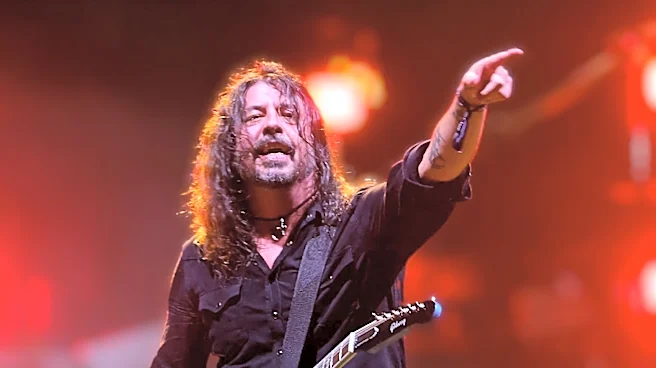
A new episode of the 'Fandemonium' docuseries, produced by Live Nation, is focusing on fans of the Foo Fighters. This installment highlights six individuals and their personal stories about how the band's
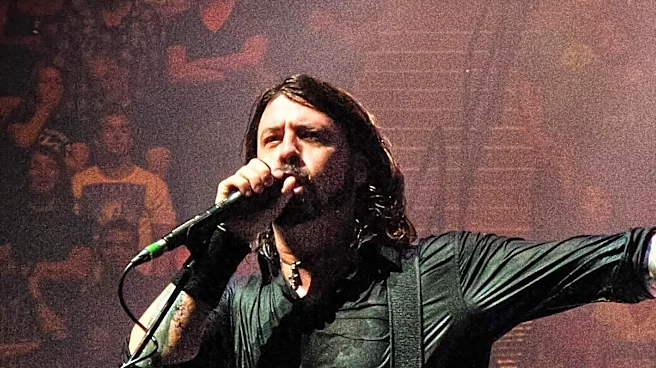
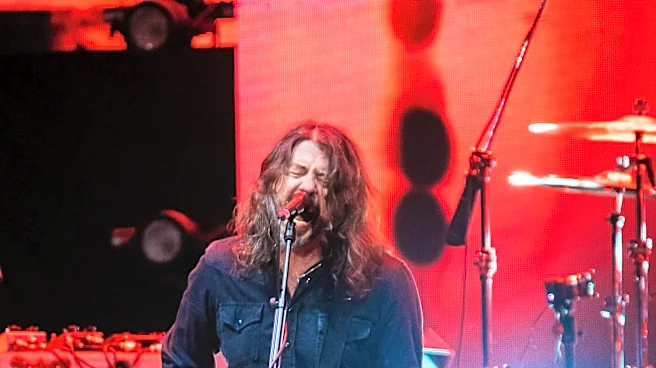
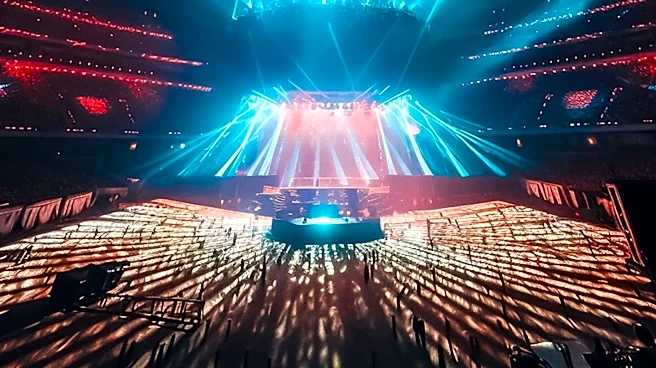
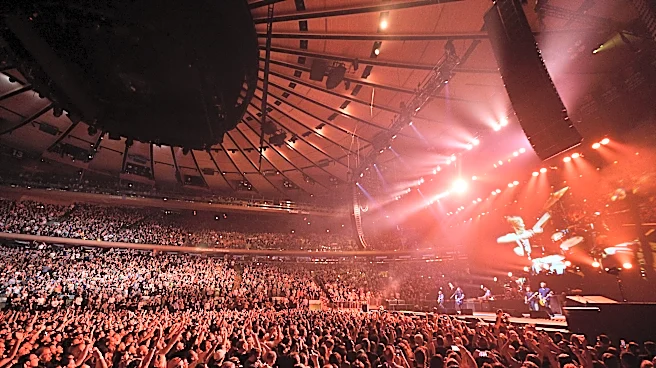
music has influenced their lives and provided new perspectives. The episode was filmed at Toronto’s Rogers Stadium during the opening night of the Foo Fighters’ 2026 North American stadium tour, which supports their latest album, 'Your Favorite Toy.' The docuseries includes footage of the concert, capturing the energy of the performance and the crowd. One featured fan, Tanay Mulukutla, shared his experience growing up in Mumbai, India, and discovering the Foo Fighters, noting how their music became a significant part of his life and inspired him to move across the world. Other fans recount attending numerous concerts, forming friendships within the fan community, and even mending family relationships through the band's music. The Foo Fighters recently completed a residency on 'Jimmy Kimmel Live!' and an Australian tour, with upcoming performances scheduled in New Zealand, India, South America, Los Angeles (KROQ Acoustic Christmas and a Super Bowl-related gig), and Europe, in addition to being part of the 2027 New Orleans Jazz Fest lineup.
Why It's Important?
This docuseries underscores the profound cultural and personal impact that music, specifically from bands like the Foo Fighters, can have on individuals and communities. By showcasing fan stories, it illustrates how music transcends entertainment to become a catalyst for personal growth, social connection, and even life-altering decisions, such as relocating to another country. For the music industry, this highlights the value of fan engagement and the potential for artists to build dedicated, long-lasting communities. It also demonstrates a new approach to music-related content creation, moving beyond traditional concert films or band biographies to focus on the audience's perspective. This can inspire other artists and production companies to explore similar fan-centric narratives, potentially fostering deeper connections between artists and their listeners. Furthermore, the series provides a platform to acknowledge the global reach of rock music, as exemplified by fans like Mulukutla, who found solace and inspiration in the Foo Fighters from a different cultural background.
What's Next?
The 'Fandemonium' docuseries is expected to continue exploring the relationships between bands and their fans, potentially featuring other artists and their dedicated followers. For the Foo Fighters, their extensive touring schedule, including upcoming dates in New Zealand, India, South America, and Europe, along with their inclusion in the 2027 New Orleans Jazz Fest, indicates continued global presence and engagement with their fanbase. The release of their latest album, 'Your Favorite Toy,' suggests that new music will remain a central part of their activities, driving further fan interaction and concert attendance. The success of this fan-focused docuseries could also encourage Live Nation and other production companies to invest more in content that highlights the fan experience, potentially leading to a new trend in music documentaries. This approach could offer a fresh perspective on the music industry, emphasizing the emotional and social impact of artists beyond their musical output.
Beyond the Headlines
The 'Fandemonium' docuseries delves into the less obvious, yet deeply significant, aspects of fandom: the creation of community and the role of music in personal identity formation. It highlights how shared musical experiences can lead to strong social bonds, with fans finding their closest friends and even mending family relationships through a common love for a band. This phenomenon speaks to the power of collective effervescence, where individuals experience a heightened sense of emotional energy and belonging in a group setting, such as a concert. Ethically, the series implicitly raises questions about the responsibility of artists towards their dedicated fanbases, given the profound influence they can wield. Culturally, it reinforces the idea that music is not merely a product but a powerful cultural artifact that shapes individual narratives and collective experiences, fostering a sense of belonging and purpose in an increasingly fragmented world. The global stories, like that of Tanay Mulukutla, also underscore music's ability to transcend geographical and cultural barriers, creating universal connections.