







What's Happening?
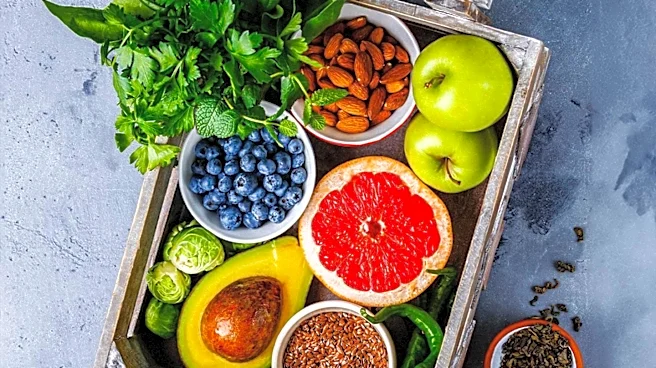
Dietitians and nutrition experts are highlighting the significant health benefits of incorporating plant-based superfoods into daily diets. While the term 'superfood' lacks an official definition and originated in marketing, these foods are recognized
for their superior nutritional content, offering more vitamins, antioxidants, and minerals than average foods. For spring, recommended superfoods include strawberries, rhubarb, radishes, leeks, and carrots. Strawberries are rich in antioxidants and vitamin C, potentially reducing the risk of chronic diseases. Rhubarb contains antioxidant compounds that fight cancer and inflammation, and is an excellent source of vitamin K for bone health. Radishes provide vitamin C and sulfur-containing substances that reduce inflammation and protect against cancer. Leeks are high in beta carotene, supporting vision and immune function, while carrots are rich in vitamin A for vision and soluble fiber for blood sugar regulation. These recommendations emphasize the importance of a varied intake of nutrient-dense plant foods to support overall health.
Why It's Important?
The emphasis on plant-based superfoods is important for public health in the U.S. as it promotes dietary patterns linked to reduced risks of chronic diseases such as type 2 diabetes, heart disease, and certain cancers. By encouraging the consumption of foods like strawberries, rhubarb, radishes, leeks, and carrots, dietitians are guiding individuals toward nutrient-dense options that can improve heart health, reduce inflammation, and enhance gut health. This dietary shift can lead to a healthier population, potentially decreasing healthcare burdens associated with diet-related illnesses. Furthermore, promoting seasonal eating supports local agriculture and can make healthy food more accessible and affordable, benefiting both consumers and regional economies. The focus on plant-based diets also aligns with broader sustainability goals, as plant-heavy diets generally have a lower environmental impact compared to diets rich in animal products.
What's Next?
Consumers can expect to see continued promotion of plant-based eating and seasonal superfoods from health organizations and nutrition experts. The food industry may respond by increasing the availability and marketing of these specific fruits and vegetables, especially during their peak seasons. Educational campaigns are likely to focus on practical ways to incorporate these foods into daily meals, such as through recipes and meal planning tips. There may also be a growing trend in the development of plant-based products that feature these superfoods, catering to increasing consumer demand for healthier and more sustainable food options. Individuals are encouraged to gradually integrate more plant-based foods into their diets, starting with small changes like 'meatless Mondays' or simply adding more seasonal produce to their plates, to avoid digestive discomfort from a sudden increase in fiber.
Beyond the Headlines
Beyond the immediate health benefits, the promotion of plant-based superfoods reflects a broader cultural shift towards mindful eating and a greater awareness of food's impact on both personal well-being and the environment. The distinction between a 'superfood' as a marketing term versus its actual nutritional value highlights the ongoing challenge of communicating scientific dietary advice to the public. This trend also underscores the importance of food literacy, encouraging consumers to look beyond fads and focus on diverse, whole-food consumption. The emphasis on seasonal eating connects individuals more closely with food sources and local ecosystems, fostering a deeper appreciation for agricultural cycles and potentially strengthening local food systems. This movement could also influence agricultural practices, encouraging farmers to grow a wider variety of nutrient-rich produce.