





What's Happening?
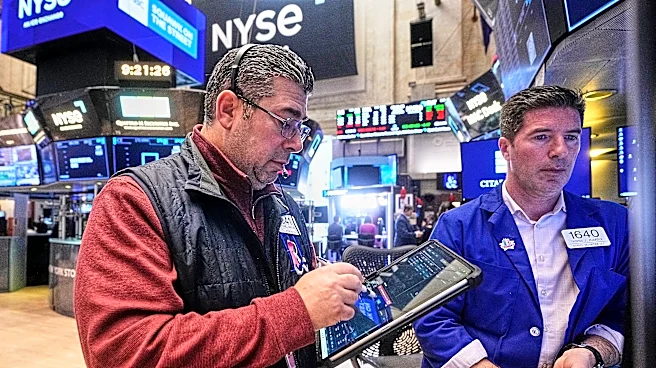
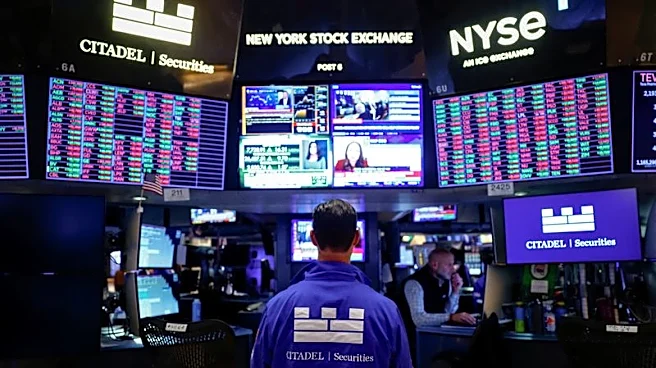
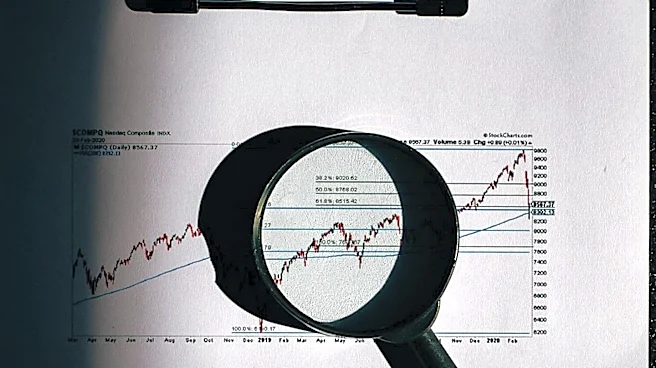
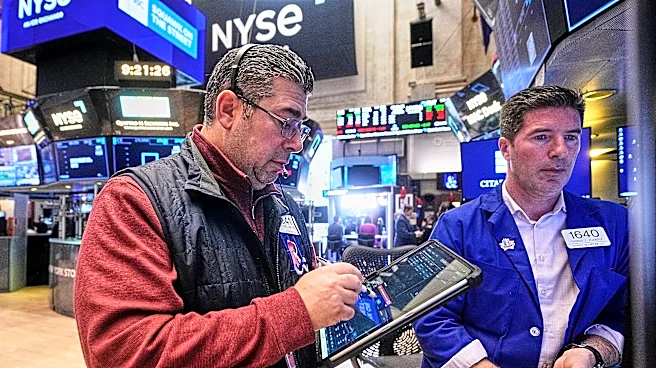
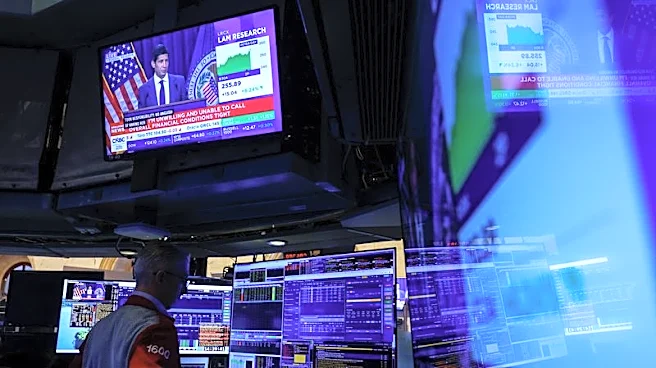
U.S. stocks experienced a sharp sell-off, with the Nasdaq Composite falling 2.9%, the S&P 500 dropping 1.8%, and the Dow Jones Industrial Average losing 1.1%. This decline was concentrated in technology and growth shares, as investors questioned whether
the substantial investments in Artificial Intelligence (AI) infrastructure can generate adequate returns. Major hyperscalers like Meta Platforms, Alphabet, and Amazon have continued to increase their spending forecasts for AI capabilities, leading to concerns that capital expenditures might outpace the earnings they are intended to create. The market is shifting from a momentum-driven phase to an evidence-driven phase, demanding measurable customer demand, improving margins, and a credible timeline for investment recovery.
Why It's Important?
This market movement signifies a critical re-evaluation of the AI investment boom's economic viability within the U.S. financial landscape. The increased scrutiny on AI spending and its return on investment impacts not only the valuations of individual tech companies but also the broader market sentiment. Technology stocks are particularly vulnerable due to their valuations often relying on future projected profits, which become less valuable when interest rates or borrowing costs rise. This situation could lead to a more cautious approach to capital allocation in the tech sector, potentially affecting innovation and growth trajectories if companies struggle to demonstrate clear financial benefits from their AI investments. The sell-off also highlights the importance of diversification and risk management for traders in a volatile market.
What's Next?
The market's direction will largely depend on whether corporate results can restore confidence in the AI investment cycle. Investors will be looking for clear evidence that AI infrastructure spending is translating into stronger earnings and sustainable free cash flow. Equity futures suggest continued pressure, indicating that traders are preparing for potentially lower technology valuations and increased volatility. Companies will need to demonstrate measurable customer demand, improving margins, and a credible timetable for recovering their investments. This environment offers a useful training opportunity for traders to track how Nasdaq futures react to earnings guidance, bond yields, and changes in capital expenditure forecasts.
Beyond the Headlines
The current market dynamics underscore a fundamental tension between technological ambition and financial discipline. While AI is recognized for its long-term potential, the immediate economic realities of its implementation are now paramount. This could lead to a more selective investment environment, where capital flows towards AI applications with clear business models and demonstrable profitability. The concentration risk within portfolios heavily weighted towards a few mega-cap technology companies is also becoming more apparent, prompting a re-emphasis on diversification. This period of reassessment could ultimately foster a more sustainable and financially sound AI industry, even if it means a temporary slowdown in speculative growth.