




What's Happening?
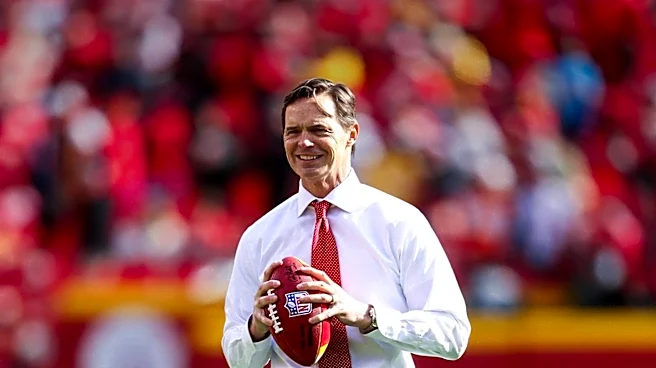
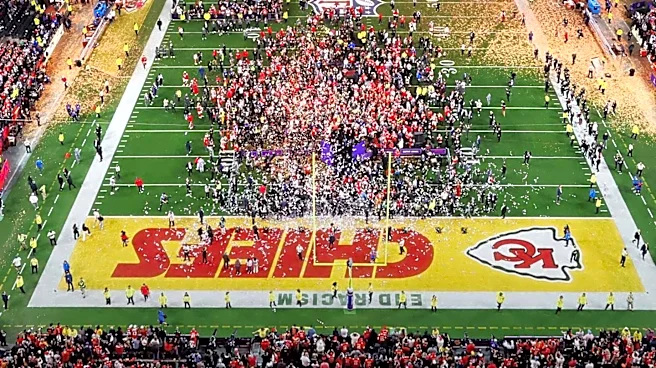
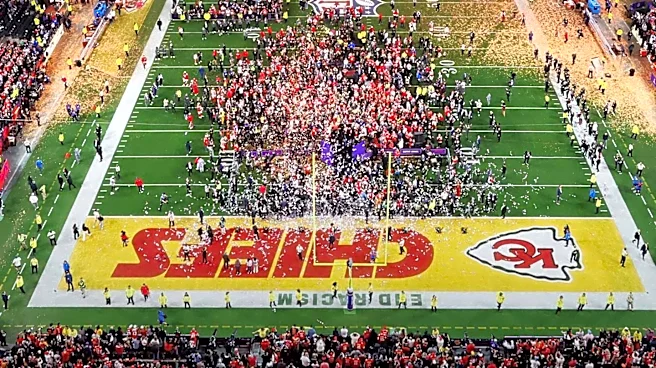
The Kansas City Chiefs have selected a joint venture between Clark Construction Group and AECOM, known as Clark | AECOM, to join the construction team for their new fixed-roof NFL stadium. This 70,000-person venue is slated to open in Wyandotte County,
Kansas, in 2031. Chiefs President Mark Donovan stated that this partnership marks a significant step in the transformational stadium project, which aims to benefit the entire region. The Clark | AECOM team will provide expertise in refining the stadium's design, ensuring certainty around the project's scope, budget, and scheduling. The design is currently being developed by MANICA and HNTB, focusing on elements like the seating bowl, premium spaces, and site infrastructure. Clark Group CEO Lee DeLong emphasized the project's role in ushering in an exciting new era for Kansas City, enhancing the sports and entertainment experience, and serving as a catalyst for economic growth and community connection. Ken Johnson, Executive Vice President and Sports Market leader of AECOM Hunt, highlighted their honor in partnering with Clark Construction to deliver this 'once-in-a-generation project' for the Chiefs and their fanbase.
Why It's Important?
This announcement is crucial for the Kansas City region as it signifies a major investment in infrastructure and economic development. The new stadium is projected to cost $3 billion and will not only serve as the future home of the Chiefs but also as a year-round entertainment destination, anchoring a vibrant mixed-use development. The involvement of Clark | AECOM, two leading sports venue builders, brings significant experience and innovative thinking to address the complex challenges of NFL stadium projects. This collaboration is expected to drive job creation, attract new investment, and fuel the economic engines of communities nationwide. The project aims to deliver a world-class facility that will serve 'Chiefs Kingdom' for decades, providing a state-of-the-art entertainment venue for both locals and visitors. The selection of these firms underscores the Chiefs' commitment to a high-quality, functional, and operationally flexible stadium that will have a lasting impact on the region's economy and cultural landscape.
What's Next?
The immediate next steps involve Clark | AECOM collaborating with the Chiefs, stadium designers, and other stakeholders to transform the initial stadium design concept into a buildable, permitted, budgeted, and constructible project. This phase will include providing recommendations on material availability, procurement, installation, and construction timelines. The Clark | AECOM team will also be responsible for leading the strategy and schedule for competitively bidding the work, identifying qualified subcontractors and suppliers, and evaluating their experience and resources. Sitework for the new stadium is scheduled to commence in 2027, with the ultimate goal of opening the venue in 2031. The ongoing refinement of the stadium design by MANICA and HNTB will continue in parallel with the construction team's input, ensuring a cohesive and efficient development process.
Beyond the Headlines
The development of a new NFL stadium in Wyandotte County, Kansas, represents more than just a sports venue; it's a strategic move to enhance regional identity and economic competitiveness. The project's emphasis on creating a 'robust year-round entertainment destination' suggests a broader vision beyond football, aiming to attract diverse events and tourism, thereby diversifying the local economy. The collaboration between a major sports franchise and leading construction firms also highlights the intricate public-private partnerships often required for such large-scale developments. This project could set a precedent for future urban planning initiatives, demonstrating how sports infrastructure can be integrated into larger mixed-use developments to foster community growth and economic vitality. The long-term implications include potential shifts in local demographics, increased property values, and the establishment of a new cultural hub, all contributing to the evolving landscape of the Kansas City metropolitan area.