


What's Happening?
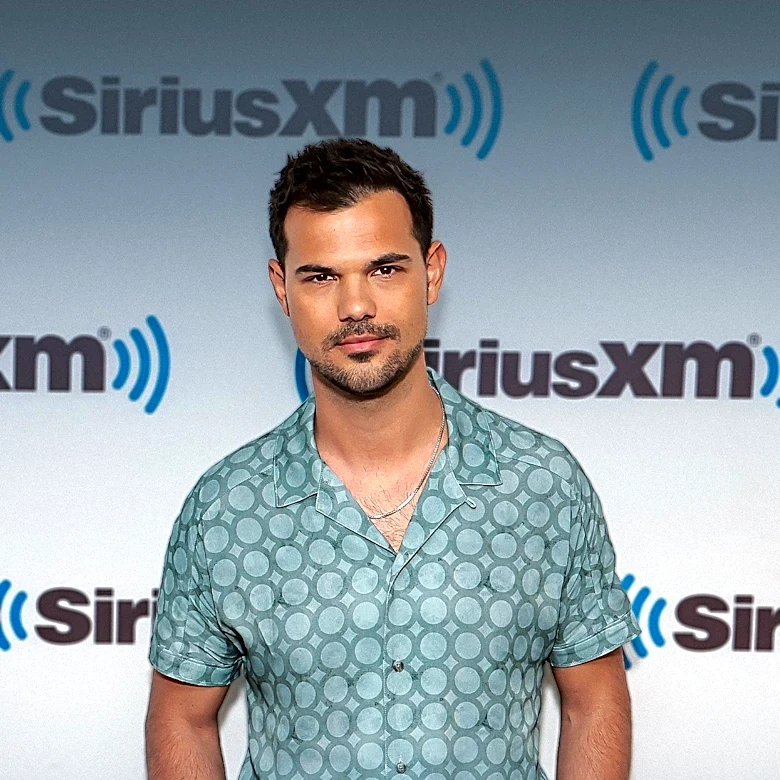
Comedian Sebastian Maniscalco has responded to widespread criticism from fellow comedians regarding changes made to SiriusXM's comedy programming. Previously, SiriusXM's 'Raw Dog Comedy' channel, which featured a broad roster of comedians and provided
royalty payments for their airtime, was rebranded as 'Sebastian Maniscalco's Comedy Radio.' This transition led to a significant reduction in the number of featured comedians, from approximately 800 to fewer than 300, and consequently, a loss of income and exposure for many working comedians. Many comedians took to social media to express their dismay, with some directly appealing to Maniscalco to intervene. Maniscalco issued a statement asserting that he had 'nothing to do with removing Raw Comedy from SiriusXM' and that it was a decision made by SiriusXM. He also stated his intention to work with SiriusXM management to ensure a variety of voices, from emerging to established comedians, are highlighted on the channel. This controversy emerged as Maniscalco was performing his final shows at the Encore Theater in Las Vegas, where he also ejected a disruptive fan from his performance.
Why It's Important?
The changes to SiriusXM's comedy channel highlight significant issues within the comedy industry, particularly concerning artist compensation and exposure. For many comedians, especially those who are not headliners, platforms like 'Raw Dog Comedy' were crucial for earning supplemental income through royalties and gaining visibility that could lead to live performance opportunities. The drastic reduction in featured artists on the rebranded channel directly impacts the livelihoods of hundreds of comedians, potentially stifling the development of new talent and reducing diversity in comedic voices. This situation underscores the power dynamics between major media platforms, celebrity artists, and the broader community of working performers. The backlash also reflects a growing concern among artists about how content curation decisions by large corporations can inadvertently or directly harm independent creators, raising questions about fair compensation and equitable access to platforms in the entertainment industry.
What's Next?
Following Sebastian Maniscalco's public statement, the immediate next steps will likely involve discussions between Maniscalco and SiriusXM management to address the concerns raised by the comedy community. It remains to be seen how effectively Maniscalco can influence SiriusXM's programming decisions to reincorporate a wider array of comedians and restore previous compensation structures. The comedy community, particularly organizations like 'Stand Up for Stand Up,' will likely continue to monitor the situation and advocate for changes that support working comedians. The incident could also prompt broader conversations within the entertainment industry about artist rights, royalty payments, and the impact of platform consolidation on emerging talent. Comedians may explore alternative platforms for exposure and income if SiriusXM does not adequately address their grievances, potentially leading to shifts in how comedy content is distributed and consumed.
Beyond the Headlines
This situation extends beyond a simple programming change, touching upon the economic precarity faced by many artists in the gig economy. The reliance of working comedians on platforms like SiriusXM for both income and career advancement exposes vulnerabilities when such platforms undergo significant changes. It also raises ethical questions about the responsibility of prominent figures in an industry to advocate for their less established peers, especially when their name becomes associated with decisions that negatively impact the community. The incident could serve as a case study for how digital media platforms balance commercial interests with supporting a diverse ecosystem of creators. Furthermore, it highlights the ongoing tension between the curated, star-driven content model and the need for platforms that foster grassroots talent, potentially influencing future strategies for artist development and content distribution in comedy and other creative fields.