




What's Happening?
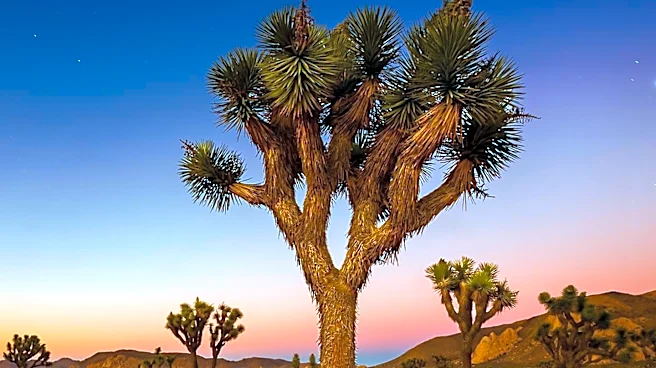
California is emerging as a premier destination for eco-glamping, offering a wide array of unique outdoor lodging experiences that blend luxury with nature. From the coastal redwoods of Mendocino and Big Sur to the desert landscapes of Joshua Tree, the state
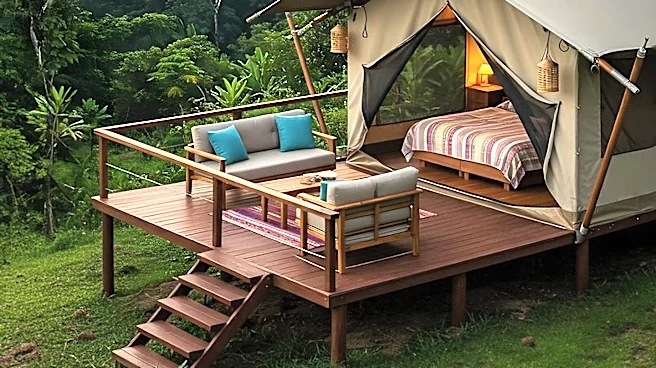
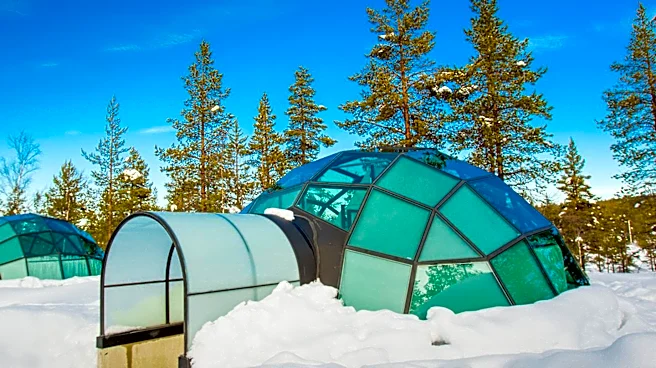
provides diverse settings for glamorous camping. Options include luxury tents with heated beds and designer bathrooms, treehouses overlooking redwood forests, and even unique accommodations like a UFO-shaped house in the desert. Many sites emphasize connection with nature, offering amenities such as private fire pits, outdoor showers, and proximity to natural attractions like national parks, beaches, and wine regions. The offerings cater to various preferences, from romantic getaways and family adventures to secluded retreats, with many locations being dog-friendly. These glamping sites aim to provide an immersive outdoor experience without sacrificing comfort, making them appealing to both seasoned campers and those new to outdoor adventures.
Why It's Important?
The rise of eco-glamping in California signifies a growing trend in the tourism industry towards sustainable and experiential travel. This shift is important for several reasons: it provides economic diversification for rural areas, supports local businesses, and encourages responsible tourism practices. By offering comfortable yet nature-integrated accommodations, glamping sites can attract a broader demographic of travelers who might not otherwise engage with outdoor activities, thereby fostering a greater appreciation for natural environments. The emphasis on eco-friendly practices, such as solar power and sustainable design, also contributes to environmental conservation efforts. For the U.S. tourism market, California's diverse glamping options set a precedent for innovative and sustainable travel experiences, potentially influencing other states to develop similar offerings and cater to the increasing demand for unique, nature-based getaways.
What's Next?
The eco-glamping sector in California is expected to continue its expansion, with potential for further innovation in sustainable lodging and unique experiential offerings. As demand for nature-based tourism grows, more investors may look to develop glamping sites in untapped natural areas, potentially leading to increased competition and a wider range of choices for consumers. There may also be a focus on integrating more advanced eco-technologies, such as enhanced renewable energy systems and water conservation methods, to further reduce the environmental footprint of these accommodations. Additionally, collaborations between glamping operators and local conservation groups or educational institutions could lead to more immersive and educational experiences for guests, promoting environmental awareness and stewardship. The industry might also see a trend towards more personalized and themed glamping experiences, catering to niche markets and specific interests.
Beyond the Headlines
Beyond the immediate appeal of luxury camping, the proliferation of eco-glamping in California reflects deeper societal shifts towards wellness, mindfulness, and a desire to reconnect with nature in an increasingly digital world. These experiences offer a unique blend of escapism and comfort, addressing the modern traveler's need for both adventure and relaxation. Ethically, the growth of eco-glamping raises questions about balancing tourism development with environmental preservation, particularly in sensitive ecosystems. Legal frameworks may need to evolve to regulate the development and operation of these sites, ensuring they adhere to strict environmental standards and do not negatively impact local wildlife or natural resources. Culturally, eco-glamping is reshaping perceptions of outdoor recreation, making it more accessible and appealing to a broader audience, and potentially fostering a new generation of environmentally conscious travelers who prioritize sustainable and authentic experiences.