






What's Happening?
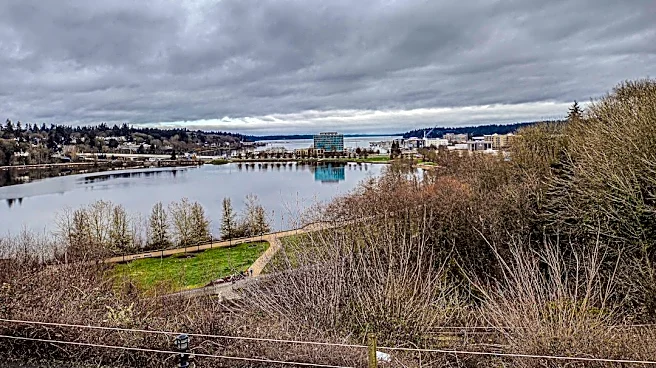
A Fred Meyer store at James Center in Tacoma, Washington, is scheduled to close on January 30, 2027, marking the second Fred Meyer closure in the city within approximately 16 months. This closure has ignited a debate regarding the existence of a 'food
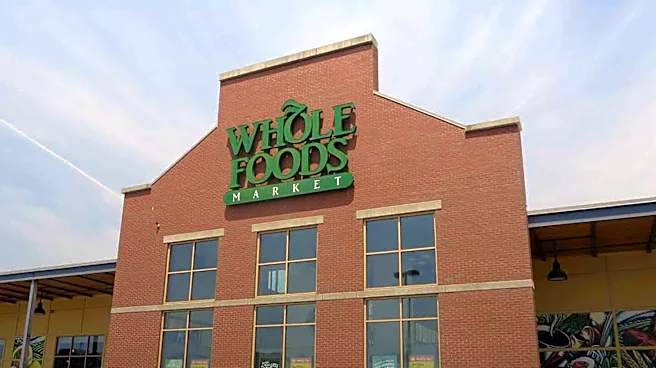
desert' in the area. While city officials, including Mayor Anders Ibsen, have expressed concerns about residents facing worsening food deserts and reduced access to medications, critics argue that the claim is unfounded. They point out that five other grocery stores—Grocery Outlet, WinCo, Whole Foods Market, Trader Joe’s, and Safeway—are located within a short walking, bus, or driving distance of the closing Fred Meyer. The union representing the store's workers, UFCW Local 367, stated that Kroger attributed the closure to a rent increase.
Why It's Important?
This situation highlights a significant issue in urban planning and community development: the definition and impact of 'food deserts.' The debate in Tacoma underscores how the closure of a major grocery store can trigger public concern and political discourse, even when alternative options are available. For residents, especially those reliant on public transportation or with limited mobility, the closure of a nearby store can genuinely impact their access to affordable and fresh food, regardless of the proximity of other stores. For businesses, decisions like store closures are often driven by economic factors such as rent increases and profitability, which can clash with community needs. This event also touches on broader economic issues, including retail theft, which some argue contributes to store closures, and the cost of living in Washington state.
What's Next?
As the January 30, 2027, closure date approaches, residents and city officials in Tacoma will likely continue to assess the impact on the community. Discussions may arise regarding potential solutions, such as attracting new grocery retailers to the area or implementing programs to assist residents with transportation to alternative stores. The union representing the affected workers will likely continue efforts to support its members, potentially through job placement assistance or negotiations with Kroger. The broader conversation about retail viability in Tacoma, influenced by factors like rent costs and retail theft rates, may also intensify. This event could prompt a re-evaluation of local policies aimed at supporting essential businesses and ensuring community access to vital services.
Beyond the Headlines
Beyond the immediate concerns of grocery access, this situation in Tacoma touches on deeper socio-economic and political narratives. The differing perspectives on whether a 'food desert' exists reveal a tension between objective geographical data (proximity of stores) and subjective community experience (ease of access, affordability, and perceived convenience). The mention of retail theft as an underlying factor, though not explicitly stated by Kroger, points to a broader challenge faced by retailers in certain urban environments, impacting their operational decisions. Furthermore, the political framing of the issue by city leadership as a 'food desert' versus a more complex economic reality highlights how local issues can become politicized, with different stakeholders emphasizing aspects that align with their agendas. This scenario reflects ongoing national debates about urban development, economic inequality, and the role of local government in ensuring essential services for its citizens.