





What's Happening?
Effective lighting, particularly lamplight, is highlighted as a key factor in enhancing personal appearance and the overall atmosphere of a room. The concept challenges the notion of a single 'true light' for a face, suggesting that different lighting conditions
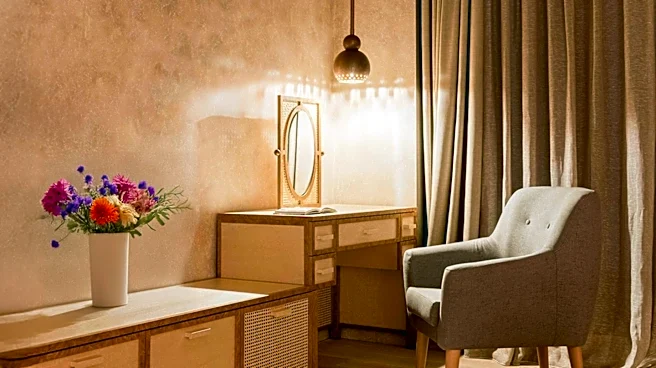
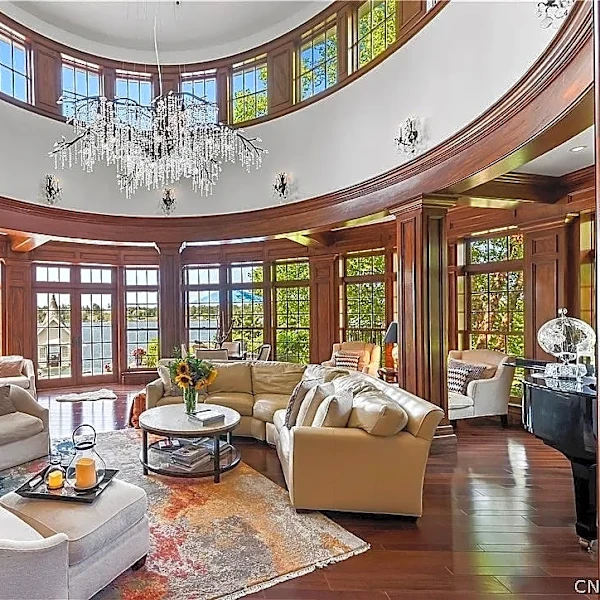
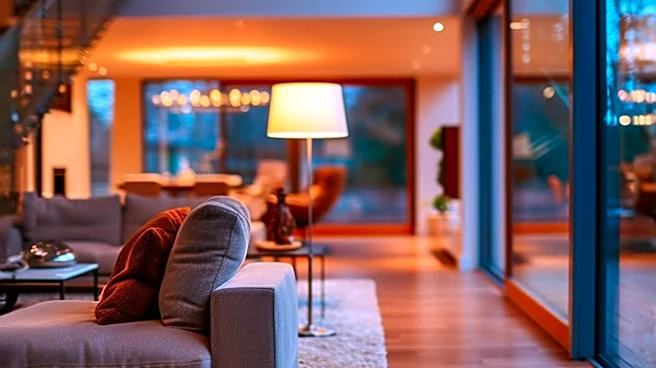
create varied perceptions, with some being more flattering than others. Key techniques for achieving flattering illumination include turning off harsh overhead lights, which tend to cast unflattering shadows. Instead, placing lights at face level, such as table lamps, floor lamps, and wall lights, provides a softer, more direct illumination. Using multiple smaller light sources to create gentle pools of light rather than one bright central bulb is also recommended. Additionally, fabric lampshades are advised to diffuse light and soften its edges, while warm-toned bulbs (around 2700–3000K) contribute to a comfortable glow. Incorporating some shadows is also crucial for adding shape to faces and atmosphere to rooms.
Why It's Important?
The understanding and application of flattering lighting techniques hold significant importance for U.S. consumers and industries alike. For individuals, it offers a practical way to improve personal comfort and confidence within their living spaces, influencing daily interactions and self-perception. For the interior design and home furnishing industries, this knowledge drives demand for specific types of lighting fixtures, such as table lamps, floor lamps, and wall sconces, as well as warm-toned LED bulbs and various lampshade materials. Retailers and designers who can effectively communicate and implement these principles stand to gain a competitive advantage. This focus on aesthetic and psychological comfort through lighting also reflects a broader trend in lifestyle and wellness, where environmental factors are increasingly recognized for their impact on mood and well-being. The emphasis on creating inviting and comfortable spaces can influence purchasing decisions and design trends across the residential and hospitality sectors.
What's Next?
The continued emphasis on flattering and mood-enhancing lighting will likely lead to further innovation in lighting technology and design. Expect to see more smart lighting solutions that offer granular control over color temperature, brightness, and direction, allowing users to easily create customized flattering environments. Designers and manufacturers may also explore new materials and forms for lampshades and fixtures that optimize light diffusion and shadow play. Educational content and services focused on lighting design principles for homeowners are also likely to grow. Furthermore, as virtual and augmented reality technologies advance, there could be tools that allow users to preview how different lighting schemes would flatter them or enhance their rooms before making purchasing decisions. The integration of lighting with other smart home features to create dynamic, responsive environments that adapt to individual preferences and activities will also be a key area of development.
Beyond the Headlines
The concept of 'flattering lighting' delves into the psychological and cultural dimensions of perception and self-image. It highlights how our environment, particularly light, can profoundly influence how we see ourselves and others. This isn't merely about vanity but about comfort, confidence, and the creation of desired atmospheres. Historically, artists like Vermeer and cinematographers in Hollywood have masterfully manipulated light to evoke specific emotions and enhance subjects. In contemporary society, where visual presentation is increasingly important, understanding these principles becomes even more relevant. The ethical implication lies in ensuring that lighting is used to genuinely enhance well-being and comfort, rather than to create unrealistic or deceptive portrayals. Culturally, the pursuit of flattering light reflects a desire for control over our personal environments and how we are perceived within them, contributing to a broader aestheticization of everyday life.