




What's Happening?
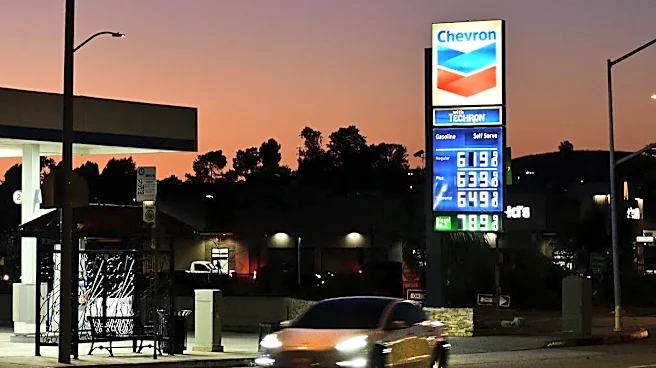
New Mexico is experiencing its most expensive September at the pump in history, with record-high gas prices squeezing drivers across the state. Despite the financial burden on consumers, the state of New Mexico is simultaneously benefiting from a significant
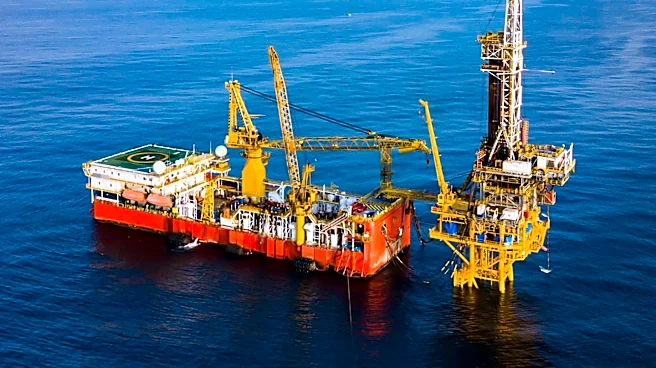
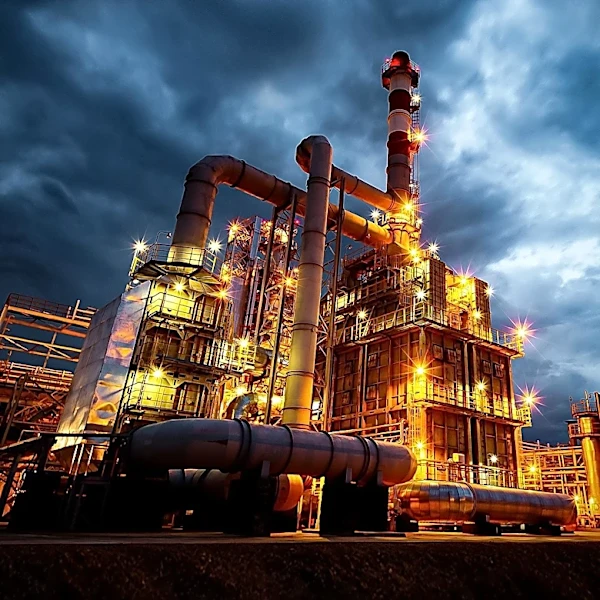
increase in revenue generated by its oil and gas industry. Charles Sallee, director of the New Mexico Legislative Finance Committee, explained that the state taxes oil extracted from the ground and, in some cases, receives royalty payments when it owns the land. The ongoing conflict in the Middle East has driven global oil prices higher, consequently increasing the value of New Mexico's oil and the amount of taxes and royalties the state collects. This surge in oil production, which has grown from approximately 70 million barrels annually before 2018 to an expected 850 million barrels per year, has made New Mexico a wealthy state.
Why It's Important?
This situation highlights a complex economic dynamic in New Mexico: while individual consumers face financial strain from high gas prices, the state government is experiencing a windfall. This increased revenue allows New Mexico to fund essential public services such as early childhood programs, public schools, and Medicaid, and effectively provides tax relief to its residents. According to Sallee, the average New Mexican benefits from this oil and gas revenue by receiving a greater level of public services than would otherwise be possible, or by paying less in taxes for those services. However, this reliance on volatile oil and gas prices presents a significant challenge for long-term fiscal planning. The state must balance current spending needs with the understanding that these revenues could dip or plateau in the future, necessitating careful management of its permanent funds to ensure sustained financial stability and avoid future budget shortfalls.
What's Next?
New Mexico faces the ongoing challenge of managing its substantial oil and gas revenues responsibly. Charles Sallee emphasizes that this is a balancing act: spending too much now could leave the state vulnerable when revenues decline, while spending too little means missing opportunities to improve services for New Mexicans. The state will likely continue to deposit a portion of these funds into permanent accounts for long-term investment, aiming to create a sustainable financial future. For consumers, gas prices remain a critical concern, with recommendations from AAA to shop around for cheaper fuel and adopt fuel-efficient driving habits. Geopolitical factors, such as the conflict in the Middle East, will continue to influence global oil prices. There is some hope for a slight decrease in prices as gas stations transition to a winter fuel blend in the fall, which could reduce costs by approximately 20 cents per gallon.
Beyond the Headlines
The current economic scenario in New Mexico underscores a broader national debate about energy policy, environmental sustainability, and economic diversification. While the state benefits significantly from its oil and gas industry, this reliance also exposes it to the inherent volatility of global energy markets and raises questions about its long-term environmental impact. The tension between immediate economic gains from fossil fuels and the imperative to transition to more sustainable energy sources is a critical issue. For New Mexico, this means navigating how to leverage current oil wealth to invest in future industries, education, and infrastructure that can reduce its dependence on a single, fluctuating commodity. The pain at the pump for individual drivers, contrasted with the state's financial prosperity, also highlights issues of economic equity and the distribution of benefits and burdens within a resource-rich state. This situation prompts a deeper discussion on how to create a resilient economy that serves all residents, regardless of global energy price fluctuations.