






What's Happening?
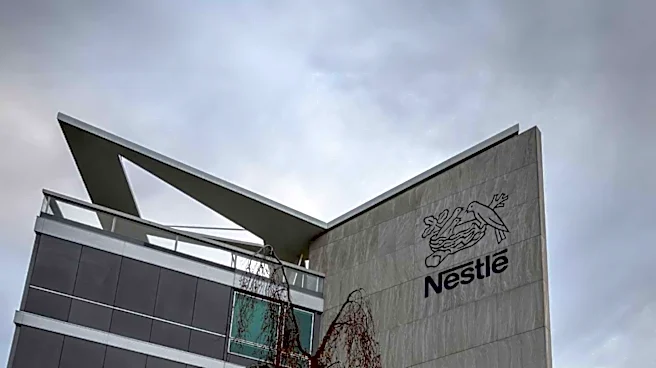
Dairy Farmers of America (DFA), the largest dairy cooperative in the U.S., is on the verge of surpassing Nestlé to claim the second position in the global dairy rankings. This projection comes from RaboResearch's 2026 ranking of the world's largest dairy companies,
which primarily uses estimated dairy sales based on 2025 financial results and transactions completed by July 1, 2026. While Lactalis maintains its lead at No. 1 with $40.2 billion, Nestlé is currently at $23.7 billion, closely followed by DFA at $23.1 billion. DFA's ascent is attributed to its continued expansion of processing capabilities through strategic acquisitions in 2025, including the purchases of Winona Foods’ Lineville cheese facility and W&W Dairy in Wisconsin. RaboResearch highlights DFA's significant investments in ingredients, cheese, and consumer dairy products, positioning it as one of the most vertically integrated dairy organizations globally and a dominant force in the North American industry.
Why It's Important?
This potential shift in global dairy rankings underscores a broader trend of consolidation and strategic focus within the dairy industry. For the U.S. dairy sector, DFA's growth signifies the increasing influence of domestic cooperatives on the international stage. Its vertical integration strategy, encompassing ingredients, cheese, and consumer products, provides a model for other U.S. dairy producers seeking to enhance profitability and market share. The focus on higher-value segments like nutrition and specialty cheeses reflects evolving consumer demands and offers opportunities for innovation and premiumization within the industry. This development could lead to increased competition, potentially impacting pricing, product availability, and market dynamics for both producers and consumers in the U.S. and globally. Furthermore, it highlights the importance of strategic mergers and acquisitions as a key driver for growth and market positioning in a mature industry.
What's Next?
The trajectory of DFA suggests continued strategic acquisitions and investments in high-value dairy segments are likely. A small acquisition could be enough to propel DFA past Nestlé into the No. 2 spot, according to RaboResearch. This could trigger further consolidation within the U.S. dairy market as other companies seek to compete or expand their own footprints. Nestlé, on the other hand, is increasingly operating as a diversified food and beverage company, with its dairy business representing a declining share of its overall portfolio. This indicates a potential divergence in strategies between dairy-focused entities like DFA and broader food conglomerates. The industry will be watching to see how these strategic shifts impact global supply chains, product innovation, and the competitive landscape in the coming years, particularly concerning the balance between milk volume growth and value-added product development.
Beyond the Headlines
The rise of DFA in global rankings reflects a fundamental shift in the dairy industry from volume-driven growth to a focus on value creation, specialization, and profitability. This evolution has ethical and economic implications, as it encourages companies to invest in sustainable practices and higher-quality products, potentially benefiting consumers and the environment. However, increased consolidation could also raise concerns about market concentration and its impact on smaller dairy farmers and regional producers. The emphasis on vertical integration by companies like DFA suggests a move towards greater control over the entire supply chain, from farm to consumer, which could lead to more efficient operations but also potentially limit market access for independent players. This trend highlights the ongoing tension between economies of scale and the desire for diverse, locally sourced dairy options.