


What's Happening?
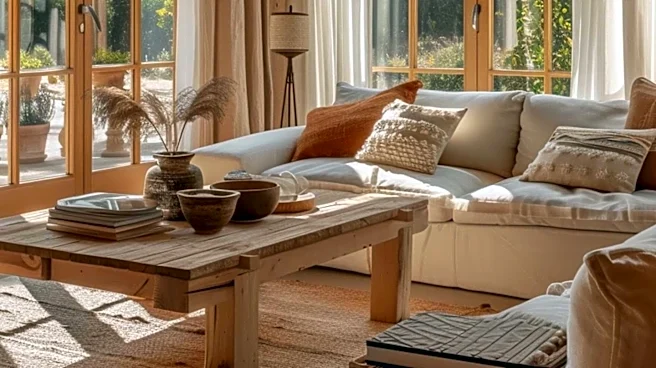
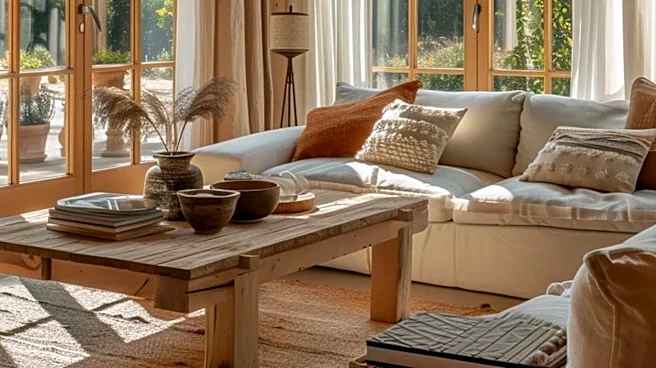
An article from IDEAL HOUSE explores various rustic living room ideas designed to infuse country warmth and charm into any home, regardless of its architectural style or location. The core of rustic decor is highlighted as an emphasis on natural fabrics,
comforting textures, and warm wood tones, creating an inviting and cozy atmosphere. The style celebrates simple, unrefined beauty, favoring rough luxe textures and tactile materials over polished surfaces. The article presents several design approaches to achieve this aesthetic. These include incorporating plaid upholstery, mixing earthy textures with monochrome elements like vintage leather sofas and rattan rugs, and pairing raw finishes such as exposed timber or stone with soft fabrics like wool and cotton velvet. Other suggestions involve connecting indoor spaces with outdoor views through natural color palettes, introducing botanical elements, and integrating quirky vintage pieces. The use of timber-clad ceilings or paneled walls is recommended for homes without original wooden beams, and keeping decoration minimal in authentically rustic homes is advised to let the building's character shine. Layering ticking stripes, building log stores, and using all-white decor with varied textures are also discussed.
Why It's Important?
The growing interest in rustic living room ideas reflects a broader societal desire for comfort, authenticity, and a connection to nature within the home environment. In an increasingly fast-paced and digital world, many individuals seek to create sanctuaries that offer warmth, tranquility, and a sense of grounding. The rustic aesthetic, with its emphasis on natural materials and unrefined beauty, provides an antidote to overly modern or sterile designs, fostering a more relaxed and inviting atmosphere. This trend also highlights a shift towards sustainable and timeless design choices, as natural materials and vintage pieces often have a longer lifespan and a smaller environmental footprint compared to mass-produced, synthetic alternatives. For homeowners, embracing rustic decor can enhance well-being by creating a cozy and stress-reducing environment. It also allows for personal expression through the incorporation of unique, character-filled items, moving away from generic interior design trends. The versatility of rustic style, adaptable to various home types, makes it an accessible and appealing option for a wide range of individuals.
What's Next?
The enduring appeal of rustic and country-inspired decor suggests that this aesthetic will continue to evolve and integrate with other design trends. We may see more hybrid styles emerging, such as 'modern rustic' or 'industrial rustic,' which blend traditional country elements with contemporary or urban influences. Interior designers and furniture manufacturers are likely to continue developing products that cater to this demand, offering a wider range of natural materials, textured fabrics, and vintage-inspired pieces. There could also be an increased focus on sourcing local and artisanal goods that embody the rustic ethos, further supporting sustainable practices and local economies. As people spend more time at home, the emphasis on creating comfortable and aesthetically pleasing living spaces will remain strong, ensuring that styles like rustic decor, which prioritize warmth and coziness, maintain their relevance. Educational content, such as articles and design guides, will continue to provide inspiration and practical advice for homeowners looking to incorporate these elements into their spaces.
Beyond the Headlines
Beyond its aesthetic appeal, the embrace of rustic living room ideas can be seen as a cultural yearning for simplicity and a return to fundamental values. In a society often characterized by complexity and rapid change, the rustic style offers a sense of stability, heritage, and connection to a more grounded way of life. It evokes nostalgia for simpler times and a desire to create spaces that feel authentic and lived-in, rather than perfectly curated. This design philosophy can also influence lifestyle choices, encouraging a greater appreciation for natural elements, craftsmanship, and the stories behind objects. Ethically, the preference for natural and often reclaimed materials aligns with growing environmental consciousness, promoting responsible consumption and reducing the demand for new resources. The rustic aesthetic, therefore, is not just about decorating a room; it's about cultivating an environment that reflects a deeper desire for comfort, authenticity, and a harmonious relationship with nature and history.