





What's Happening?
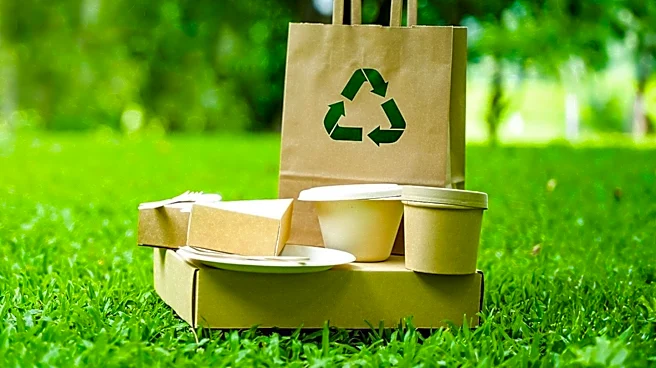
Sustainable living is gaining prominence, focusing on reducing the consumption of Earth's natural resources. Suman Mishra, CEO of Mahindra Last Mile Mobility, highlights the personal commitment to cut down on single-use plastics, advocating for reusables
at home and work. This initiative extends to her company, which is reducing packaging material and transitioning to reusable packaging in its logistics. Mishra stresses that climate action involves not only technological advancements but also everyday habits and choices. Furthermore, there's a push to make sustainable choices financially beneficial, aligning policy, finance, and infrastructure to ensure that going green increases income rather than demanding sacrifice. This approach aims to encourage broader adoption of sustainable practices by demonstrating their positive impact on daily lives and economic well-being. The concept also includes initiatives like mobile applications for non-monetary item swapping to foster a circular economy and minimize waste.
Why It's Important?
The emphasis on making sustainable choices profitable is crucial for widespread adoption in the U.S. and globally. When green initiatives are economically advantageous, they become more appealing to individuals and businesses, driving significant shifts in consumer behavior and corporate practices. This approach can stimulate innovation in sustainable technologies and services, creating new markets and job opportunities. For instance, if policies and financial incentives make electric vehicles more affordable and profitable for drivers, as seen in India with electric three-wheelers, it can accelerate the transition away from fossil fuels. This benefits the environment by reducing carbon emissions and improves public health by decreasing air pollution. Conversely, failing to integrate profitability into sustainability efforts could lead to slower progress, as individuals and companies may be reluctant to adopt changes perceived as costly or inconvenient. The U.S. economy stands to gain from a robust green sector, fostering long-term economic resilience and competitiveness.
What's Next?
Future efforts will likely focus on developing and implementing policies that incentivize sustainable practices across various sectors. This could include tax breaks for businesses adopting eco-friendly operations, subsidies for consumers purchasing sustainable products, and investments in green infrastructure. There will also be a continued push for technological innovations that make sustainable options more accessible and cost-effective. Educational campaigns will play a role in raising awareness about the benefits of sustainable living and encouraging personal commitments, such as reducing single-use plastics. The integration of digital tools, like item-swapping apps, is expected to grow, facilitating community-level circular economy initiatives. Businesses will face increasing pressure from consumers and regulators to adopt more sustainable supply chains and production methods, potentially leading to new industry standards and certifications for environmental performance. The goal is to create an ecosystem where sustainable choices are not just environmentally responsible but also economically rational.
Beyond the Headlines
The movement towards profitable sustainability has deeper implications beyond immediate environmental benefits. It challenges the traditional economic paradigm that often pits environmental protection against economic growth. By demonstrating that 'going green' can be a source of income and prosperity, it can foster a more holistic understanding of development. This shift could lead to a re-evaluation of corporate social responsibility, moving it from a peripheral concern to a core business strategy. Ethically, it promotes a sense of shared responsibility for the planet, encouraging individuals and institutions to consider the long-term impact of their actions. Legally, it may spur new regulations that mandate sustainable practices or penalize environmentally harmful ones, creating a more level playing field for eco-conscious businesses. Culturally, it could embed sustainability as a fundamental value, influencing everything from product design to urban planning, ultimately shaping a more resilient and equitable society.