








What's Happening?
Fountain O, a company specializing in AI-generated films, has announced its latest project, 'Odysseus: The Fall,' a feature film created with artificial intelligence. Directed by Ash Koosha, the film is a modern take on the Greek hero Odysseus, produced
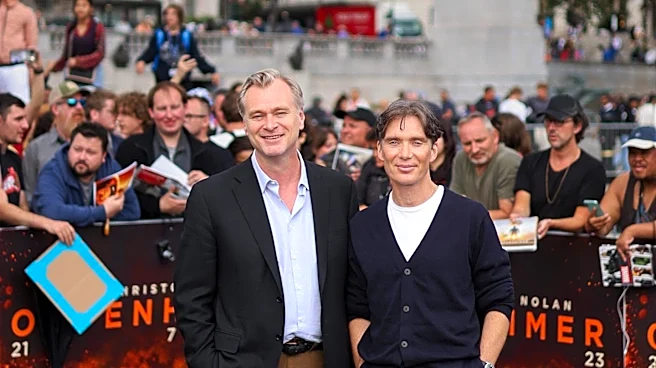
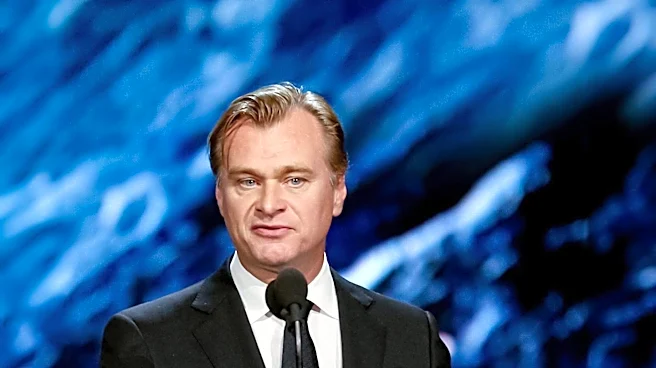
at a fraction of the cost of traditional films. This project follows Koosha's previous AI-generated film, 'Dream of Violets,' which debuted at Tribeca. 'Odysseus: The Fall' is set to coincide with the release of Christopher Nolan's high-budget adaptation of 'The Odyssey,' starring Matt Damon and Anne Hathaway. The AI film uses advanced technology to replace traditional actors and sets, aiming to democratize filmmaking by reducing production costs.
Why It's Important?
The release of 'Odysseus: The Fall' highlights the growing role of artificial intelligence in the film industry, potentially transforming how movies are made and distributed. By significantly lowering production costs, AI technology could make filmmaking more accessible, allowing a broader range of stories to be told. This development could challenge traditional filmmaking models, prompting industry stakeholders to reconsider the value and impact of AI in creative processes. The juxtaposition of Koosha's low-budget film with Nolan's blockbuster underscores the potential for AI to offer alternative narratives and production methods in the entertainment sector.
What's Next?
As 'Odysseus: The Fall' becomes available for streaming, its reception could influence future investments in AI-driven film projects. Industry observers will likely monitor audience reactions and the film's commercial success to gauge AI's viability in mainstream cinema. Additionally, the film's release may prompt discussions among filmmakers and studios about integrating AI into their production pipelines. The success of this project could lead to increased experimentation with AI in storytelling, potentially reshaping the landscape of the film industry.
Beyond the Headlines
The use of AI in filmmaking raises questions about the future of creative professions and the ethical implications of replacing human roles with technology. As AI tools become more sophisticated, the industry may face challenges in balancing technological innovation with preserving the artistic integrity and human touch that define traditional filmmaking. This shift could also impact employment within the industry, as roles traditionally filled by humans may be supplanted by AI solutions.