






What's Happening?
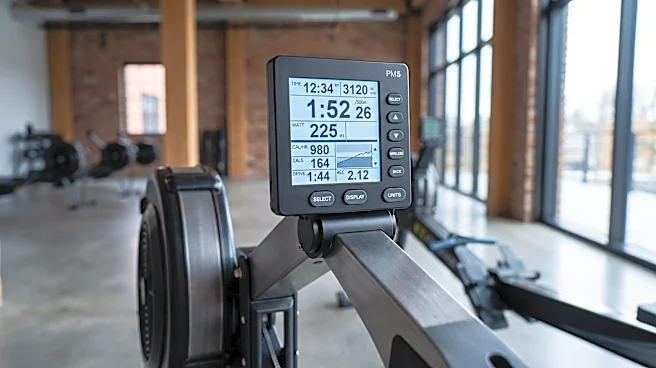
The Watta app is highlighted as a leading tool for rowing enthusiasts, particularly for its deep post-workout analytics and AI-powered photo capture feature. This innovative functionality allows users to log their workout data with minimal effort by simply
taking a photo of their Concept2 PM5 screen, which the app then reads and processes. Watta distinguishes itself by providing an 'Effort Score' that breaks down each session across cardiac load, work output, pacing, and stroke economy. While other apps like ErgData offer real-time force curves for technique improvement, and Strava provides a large social network, Watta focuses on comprehensive analytical insights. For beginners, Apple Fitness+ offers guided classes, and TrainingPeaks is the standard for structured periodization. Many serious rowers often use a combination of apps, such as ErgData during a session for force curves and Logbook sync, Watta for post-workout analytics and social sharing, and Strava for general activity tracking. Watta is available for free on iPhone and Android.
Why It's Important?
Watta's approach to rowing analytics is significant because it addresses a common pain point for athletes: the tedious manual logging of workout data. The AI-powered photo capture dramatically reduces friction, encouraging more consistent data tracking and providing a richer dataset for analysis. The 'Effort Score' offers a multi-dimensional view of performance, moving beyond simple metrics to provide a more holistic understanding of a rower's efficiency and exertion. This level of detailed feedback can be crucial for athletes looking to optimize their training, identify areas for improvement, and prevent overtraining. For coaches, such comprehensive analytics can inform more precise training plans and personalized feedback. The app's free availability also democratizes access to advanced performance analysis, making sophisticated tools accessible to a broader range of rowers, from beginners to competitive athletes, thereby potentially elevating the overall standard of training within the rowing community.
What's Next?
The success of Watta's AI-powered photo capture suggests a future trend in fitness technology towards more seamless and automated data collection. We can anticipate further advancements in AI and machine learning to provide even more personalized insights, predictive analytics, and adaptive training recommendations. The app may explore deeper integrations with other fitness devices and platforms to create a more unified health ecosystem for users. As the app gains traction, there could be an expansion of its social features, allowing for more interactive challenges, community building, and peer-to-peer coaching. The focus on detailed analytics also opens avenues for partnerships with sports science researchers and professional rowing organizations to further validate and refine its metrics, potentially influencing best practices in rowing training and performance analysis.
Beyond the Headlines
Watta's innovative use of AI for data capture and analysis in rowing highlights a broader shift in sports and fitness towards 'smart' training. This trend emphasizes not just tracking activity, but also interpreting complex data to provide actionable insights. The app's ability to simplify data logging could encourage a more data-driven mindset among athletes, fostering a culture of continuous improvement based on objective metrics rather than subjective feelings. This also raises questions about the role of technology in enhancing athletic performance and potentially leveling the playing field by making advanced analytical tools widely available. Furthermore, the app's focus on specific metrics like cardiac load and stroke economy underscores the growing understanding of the physiological and biomechanical nuances of sports, moving beyond simplistic measures of speed or distance to a more scientific approach to training and recovery. The free access to such advanced tools could also contribute to making high-performance training more equitable.