



What's Happening?
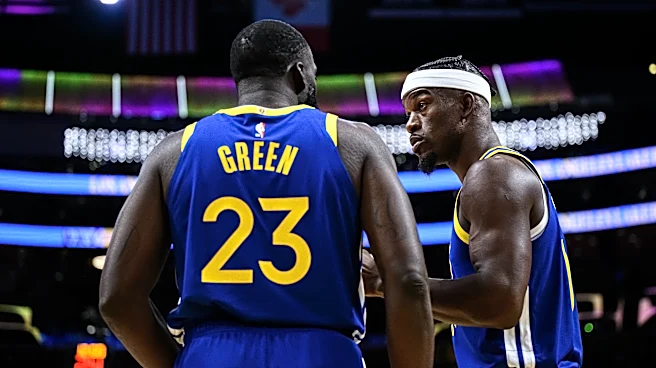
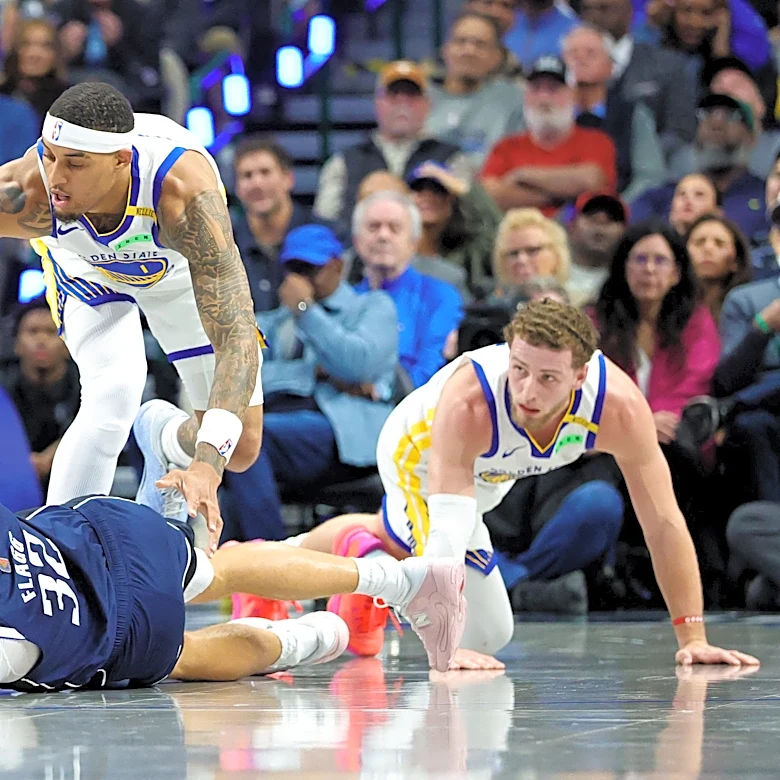
Golden State Warriors General Manager Mike Dunleavy Jr. has confirmed that artificial intelligence (AI) played a role in the team's decision-making process for potential acquisitions, specifically mentioning the evaluation of Jimmy Butler. This acknowledgment
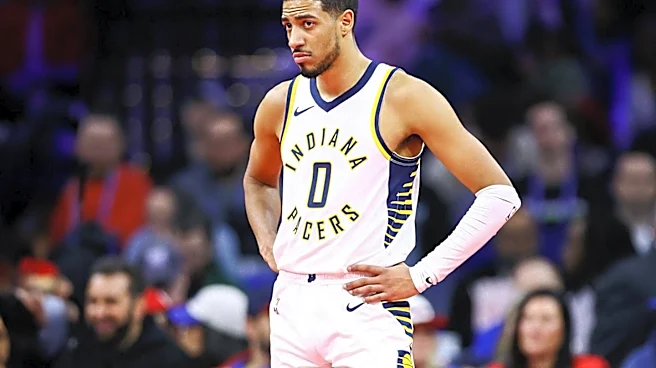
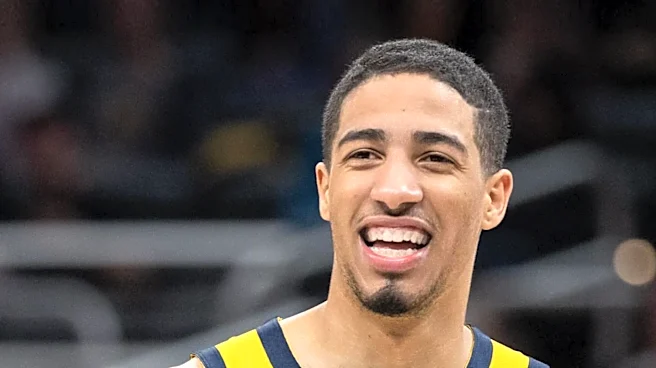
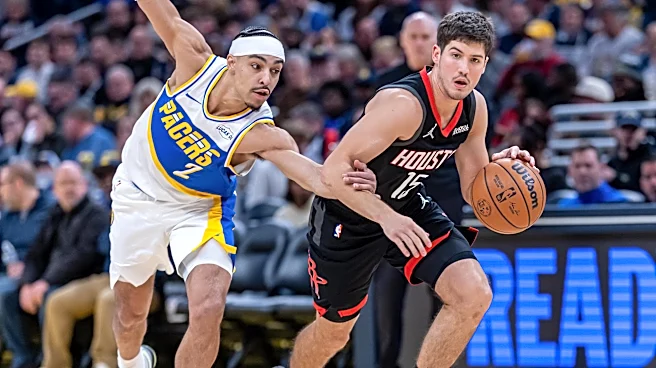
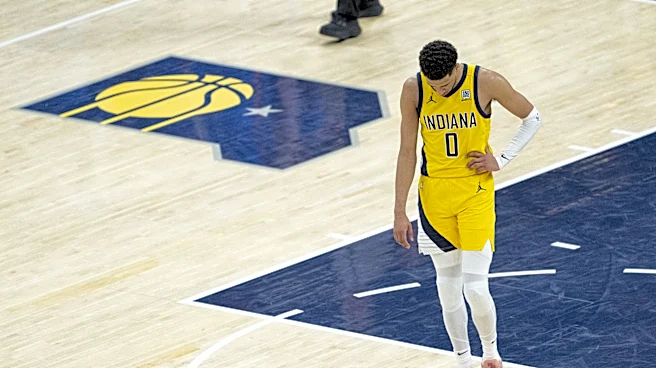
comes amidst growing discussions within the NBA about the increasing use of AI in front-office operations. Indiana Pacers guard Tyrese Haliburton recently expressed discomfort with the idea of general managers relying on AI for trade moves, suggesting that some executives might already be using tools like ChatGPT to identify trade targets and evaluate deals. Haliburton questioned AI's ability to fully comprehend basketball-specific nuances beyond statistics, emphasizing the importance of the 'human element' in the sport. The Warriors' use of a proprietary machine-learning model to identify Butler as an ideal fit ahead of the 2025 trade deadline exemplifies how AI is being integrated into roster construction, though Dunleavy's personal experience with Butler also factored into the decision.
Why It's Important?
The integration of AI into NBA front-office decisions signifies a significant shift in how professional sports teams approach player evaluation and roster management. This development could lead to more data-driven and potentially more efficient trade decisions, offering teams a competitive edge by identifying optimal player fits and financial scenarios. However, it also raises critical questions about the balance between advanced analytics and traditional basketball acumen, as highlighted by player concerns regarding AI's limitations in understanding intangible factors like team chemistry, player roles, and on-court impact. The trend could reshape the roles of scouts and traditional evaluators, potentially leading to a greater emphasis on data scientists and AI specialists within sports organizations. Furthermore, it opens a broader discussion about the ethical implications of AI in high-stakes decision-making, where human judgment and intuition have historically been paramount.
What's Next?
The trend of NBA teams utilizing AI in trade decisions is likely to continue and expand, with more franchises investing in proprietary machine-learning models and data analytics departments. This could lead to a more sophisticated understanding of player value and team dynamics, potentially resulting in more strategic and impactful trades. However, the concerns raised by players like Tyrese Haliburton may prompt ongoing debates within the league about the appropriate scope and limitations of AI in decision-making. Teams might seek to develop hybrid approaches that combine AI-generated insights with the seasoned judgment of basketball experts. Future developments could also include AI being used for real-time game strategy, player development, and injury prevention, further embedding technology into the fabric of professional basketball. The league may also consider establishing guidelines or best practices for AI usage to ensure fairness and maintain the human element of the sport.
Beyond the Headlines
The increasing reliance on AI in sports, as exemplified by the Warriors' approach, reflects a broader societal trend of technological integration into complex decision-making processes. This development in the NBA could serve as a microcosm for how other industries grapple with the benefits and drawbacks of AI. Ethically, it raises questions about the potential for algorithmic bias in player evaluations and the dehumanization of athletes reduced to data points. Legally, it could lead to new challenges regarding data privacy, intellectual property of proprietary AI models, and accountability for AI-driven decisions. Culturally, it challenges traditional notions of sportsmanship, intuition, and the 'eye test' that have long been central to basketball. The long-term shift could see a redefinition of what constitutes expertise in sports management, moving towards a blend of human insight and artificial intelligence, ultimately transforming the very nature of how professional sports are managed and played.