



What's Happening?
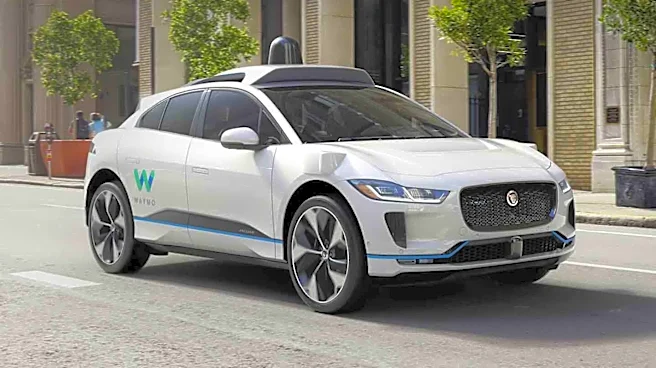
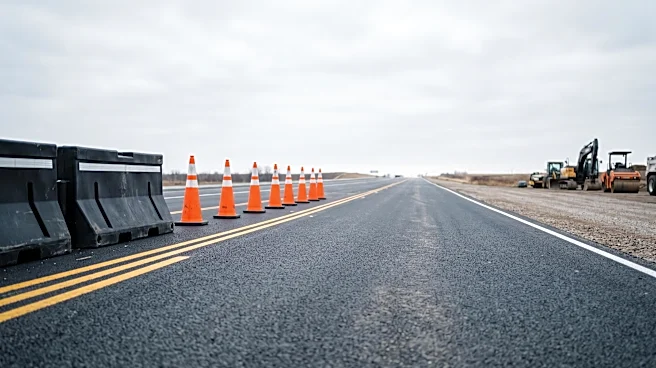
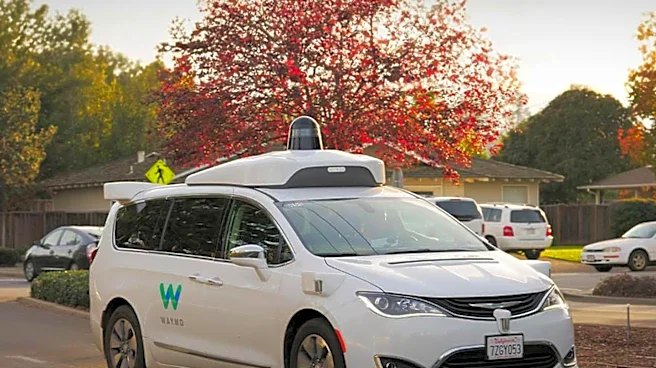
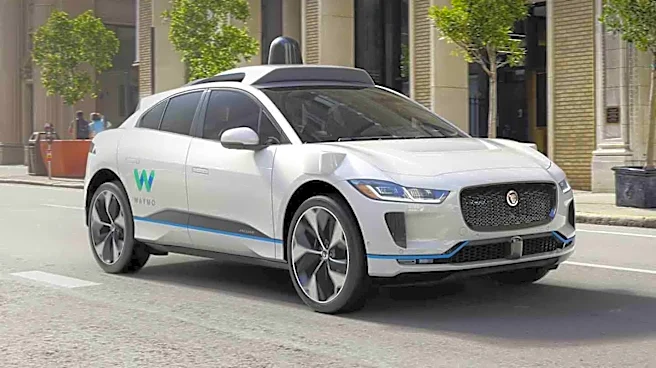
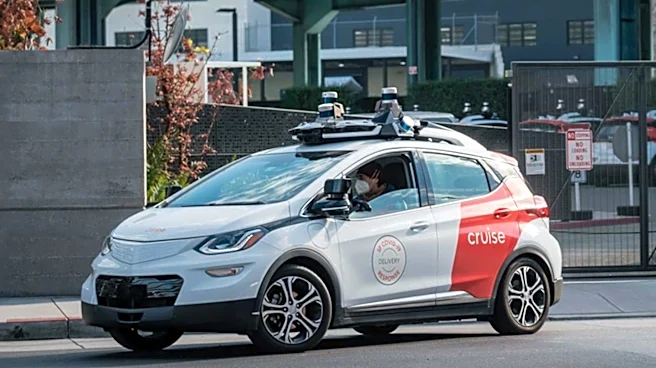
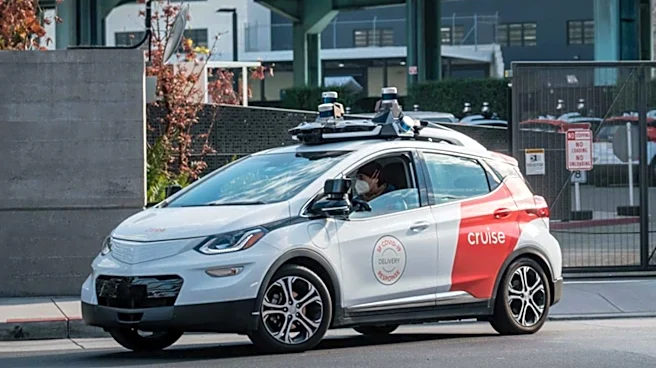
Waymo, Alphabet's self-driving unit, has suspended all commercial highway operations across the United States. This decision follows repeated issues with its driverless vehicles failing to properly recognize traffic control and road work zones on highways.
The suspension comes after California's Department of Motor Vehicles banned Waymo driverless vehicles from operating and testing on highways in the state on November 26. A direct trigger for this action was an incident on November 6, where a Waymo robotaxi attempted to pass two California Highway Patrol vehicles controlling traffic on Interstate 280, a potential traffic violation for a human driver. Waymo also reported 11 incidents between October and November 2026 where its vehicles entered restricted highway construction areas. Similar problems earlier in the year in Arizona and California led to temporary suspensions and a software update recall in June, but issues persisted. Dmitri Dolgov, Waymo's co-chief executive officer, had previously acknowledged the difficulty of mastering highway driving in a fully autonomous environment.
Why It's Important?
This suspension is expected to significantly impact Waymo's business expansion and the broader autonomous vehicle industry in the U.S. Waymo has primarily operated on surface roads, leading to user complaints about longer travel times due to detours. The inability to reliably operate on highways restricts Waymo's ability to expand its service to key destinations like airports and connect distant urban centers efficiently. The recurring nature of these recognition failures, despite software updates and recalls, raises concerns about the fundamental perception and reasoning capabilities of current autonomous driving technology, particularly in complex and dynamic environments like highway work zones. Experts like Phil Koopman, an emeritus professor at Carnegie Mellon University, criticize Waymo for expanding without fully resolving these issues, suggesting that current fixes are merely 'band-aids' rather than addressing root causes. This situation could lead to increased regulatory scrutiny and potentially slow down the widespread adoption of autonomous vehicles if public trust is eroded.
What's Next?
Waymo is currently in discussions with regulators to find solutions and resume highway operations. Chris Pappas, a Waymo spokesperson, stated that the company is working with the California Department of Motor Vehicles and officials in other states. While Waymo's ride-hailing service on surface streets continues to operate, handling over 500,000 rides weekly, the company faces pressure to develop more robust solutions for highway driving. The incidents, though not resulting in collisions or injuries, highlight the critical need for autonomous systems to accurately interpret subtle contextual cues, such as gaps between construction cones or a police officer's hand gestures. The company may need to implement more fundamental technological advancements beyond software updates to address these complex scenarios, especially given the higher speeds and increased risks associated with highway driving. The industry will be watching closely to see how Waymo addresses these challenges and whether it can regain regulatory approval for highway operations.
Beyond the Headlines
The challenges faced by Waymo underscore a deeper ethical and technological dilemma within the autonomous vehicle industry: the balance between rapid business expansion and ensuring absolute safety. The pressure to deploy and scale services can lead companies to implement solutions that may not fully address underlying complexities, as suggested by Professor Koopman. This situation highlights the limitations of current end-to-end machine learning models in interpreting nuanced, real-world scenarios that human drivers instinctively understand. The incidents also bring to light the critical role of regulatory oversight in preventing premature deployment of unproven technologies, especially when public safety is at stake. The long-term implications could include a re-evaluation of testing protocols, increased transparency in reporting incidents, and potentially a shift towards more robust, explainable AI systems that can better articulate their decision-making processes in complex driving environments. This could set a precedent for how autonomous vehicle technology is developed, regulated, and integrated into society.