




What's Happening?
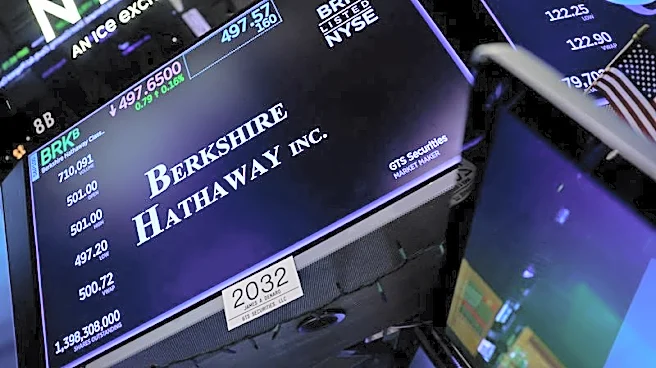
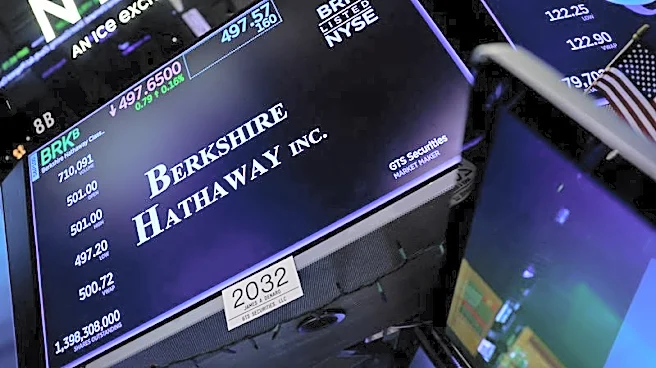
Greg Abel, CEO of Berkshire Hathaway and successor to Warren Buffett, has invested approximately $27 million in Sirius XM stock between October 30 and November 3. This purchase involved 924,281 shares, increasing Berkshire Hathaway's stake in the satellite-radio
operator to over 125.7 million shares, representing more than 37% of Sirius XM's outstanding shares. This move follows Abel's broader overhaul of Berkshire's investment portfolio since taking over the day-to-day operations and the company's $364 billion investment portfolio. Abel's interest in Sirius XM is attributed to its status as a legal monopoly in satellite radio, which provides pricing power over its subscription services. Additionally, Sirius XM benefits from cost predictability, as its equipment and transmission expenses remain stable regardless of subscriber numbers, contributing to potential margin expansion. The company's revenue mix, with 76% from subscriptions and 21% from advertising through the first nine months of 2026, is also a key factor.
Why It's Important?
This significant investment by Greg Abel in Sirius XM highlights a strategic focus on companies with strong market positions and predictable revenue streams, even in a historically expensive stock market. As the successor to Warren Buffett, Abel's investment decisions are closely watched as they signal the future direction of Berkshire Hathaway's vast portfolio and potentially influence broader market trends. The emphasis on Sirius XM's 'virtual monopoly' status and cost predictability underscores a preference for businesses with durable competitive advantages and stable financial models, which aligns with traditional value investing principles. This move could also indicate Abel's confidence in the long-term viability of subscription-based entertainment services, despite increasing competition from other digital platforms. For Sirius XM, this substantial investment from Berkshire Hathaway provides a strong vote of confidence, potentially boosting investor sentiment and validating its business model. It also suggests that even in a mature industry, companies with unique market positions can still attract significant capital from major institutional investors.
What's Next?
The increased stake in Sirius XM by Berkshire Hathaway under Greg Abel suggests a long-term commitment to the satellite radio company. Future developments will likely involve monitoring Sirius XM's ability to leverage its 'virtual monopoly' status to maintain pricing power and expand its subscriber base. Investors will be keen to observe how Sirius XM's cost predictability translates into margin expansion and overall profitability in the coming quarters. Abel's continued focus on companies with strong competitive advantages and stable cash flows could lead to further investments in similar businesses across Berkshire Hathaway's portfolio. This investment also sets a precedent for how Abel, as CEO, will deploy capital and shape the conglomerate's holdings, moving beyond the shadow of Warren Buffett's direct investment decisions. The market will be watching for any strategic shifts within Sirius XM that might be influenced by Berkshire Hathaway's increased ownership, such as potential expansions into new services or technologies to enhance its value proposition.
Beyond the Headlines
Greg Abel's investment in Sirius XM, a company described as a 'virtual monopoly,' touches upon broader themes of market concentration and the enduring value of unique business models in a competitive landscape. In an era dominated by tech giants and rapidly evolving digital services, the decision to invest heavily in a satellite radio operator highlights the potential for established, niche players to generate consistent returns. This move also reflects a nuanced understanding of competitive advantages, where a 'monopoly' in a specific segment can provide stability even if the overall market for audio content is highly fragmented. Furthermore, Abel's investment underscores the importance of predictable costs and subscription-based revenue models in an investment strategy, offering a counterpoint to the often-volatile growth narratives of emerging technologies. This strategic choice by Berkshire Hathaway's leadership could influence how other large investors evaluate companies with similar characteristics, emphasizing resilience and consistent cash flow over speculative growth.