




What's Happening?
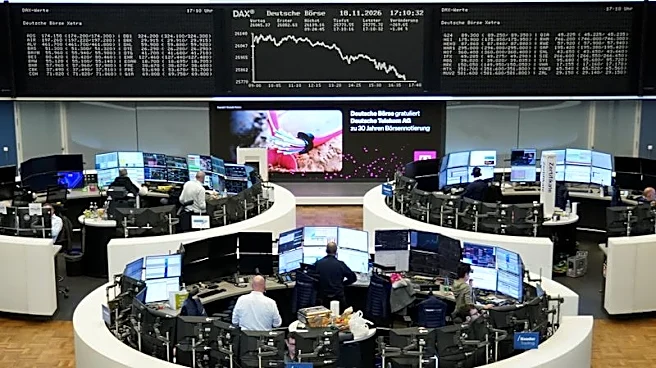
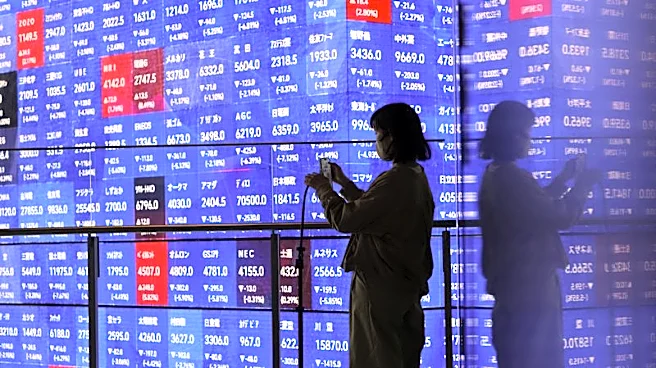
The Renaissance International IPO Index recorded a substantial decline of 10.6% this week, while the iShares MSCI ACWI ex U.S. ETF also fell by 9.0%. This downturn reflects a broader international market plunge. Among the top performers, Istanbul-listed
factoring services provider Destek Faktoring saw a significant rebound, surging by 60.7%. Conversely, several technology companies were among the worst performers, with PCB production equipment maker Dtech experiencing the steepest drop of 34.5%. The international IPO calendar is shifting, with an increasing number of deals emerging from sectors outside of technology, as market concerns over the tech industry persist. Two sizable IPOs listed this week, and five more are scheduled for the upcoming week, all originating from non-tech sectors. Recent listings include pharmacy chain Big Caring, which traded flat in Malaysia, and resort operator Blue Lagoon in Iceland, which slipped by 8%.
Why It's Important?
This significant decline in the Renaissance International IPO Index and the broader international market indicates a period of heightened volatility and investor caution, particularly concerning technology stocks. The shift in the IPO calendar away from technology and towards other sectors suggests a re-evaluation of investment strategies and a potential diversification of risk by companies and investors. The strong performance of Destek Faktoring, a financial services provider, amidst a general market downturn, highlights the potential for specific sectors or companies to defy broader trends, possibly due to unique market conditions or strong underlying fundamentals. Conversely, the sharp drop in tech companies like Dtech underscores the vulnerability of this sector to market anxieties and changing investor sentiment. This trend could lead to a reallocation of capital across different industries globally, impacting the growth trajectories of various sectors and potentially influencing future IPO activity and market valuations.
What's Next?
The upcoming week is set to feature several new IPOs, all outside the technology sector, signaling a continued trend of diversification in the international market. Scheduled debuts include coal miner Mahanadi Coalfields in India, real estate spin-off IOIPG Malaysia REIT in Malaysia, infrastructure construction firm METKA in Athens, and components roll-up Hasko in Stockholm. Additionally, Moroccan drug maker Laprophan is slated to debut as Africa's largest pharmaceuticals listing. This pipeline of non-tech IPOs suggests that investors and companies are increasingly looking beyond the technology sector for growth opportunities and stability. The performance of these upcoming listings will be a key indicator of investor appetite for non-tech industries and could further solidify the trend of sector diversification in the international IPO market. Continued monitoring of global economic indicators and market sentiment will be crucial to understanding the sustained impact on IPO activity and sector performance.
Beyond the Headlines
The observed shift in the international IPO landscape, moving away from a heavy reliance on technology companies, could have profound long-term implications for global economic development and investment patterns. This trend might reflect a broader re-evaluation of economic fundamentals, potentially driven by concerns over tech valuations, regulatory pressures, or geopolitical uncertainties. The increased focus on sectors like financials, industrials, and healthcare could lead to a more balanced and resilient global economy, less susceptible to the boom-and-bust cycles often associated with rapidly evolving tech markets. Furthermore, the emergence of significant IPOs in diverse regions, such as India, Malaysia, Greece, and Morocco, suggests a decentralization of investment opportunities and a growing importance of emerging markets in the global financial ecosystem. This diversification could foster greater economic stability and reduce systemic risks by spreading investment across a wider array of industries and geographies, ultimately reshaping the global investment landscape.