



What's Happening?
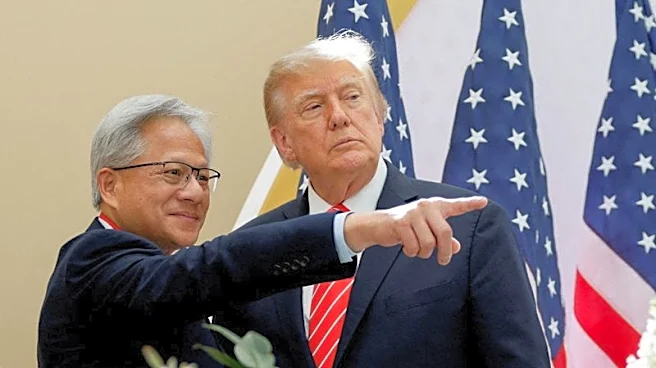
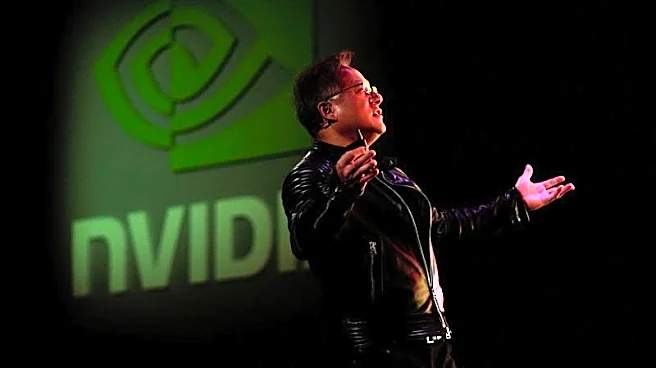
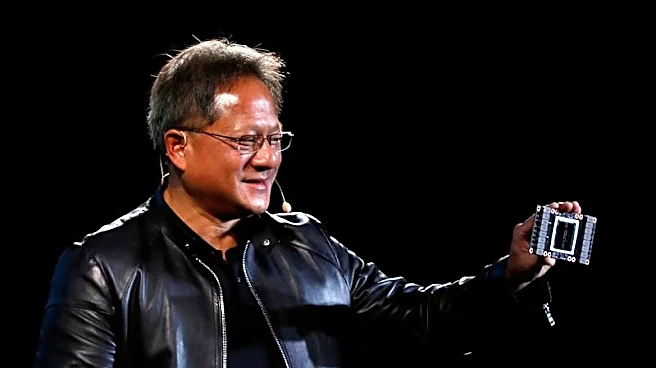
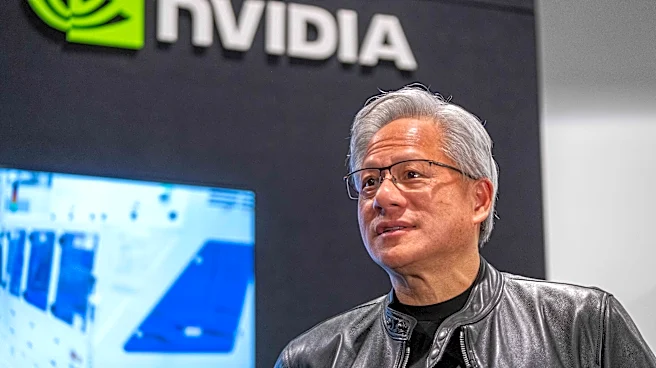
Nvidia's board of directors unanimously reinstated CEO Jensen Huang on November 23, 2026, just eleven days after his resignation. This decision led to an approximate $1 trillion increase in Nvidia's market value. According to a TBPN podcast episode featuring
Vanity Fair's Julia Black, the board had initially hired an investigator and accepted Huang's resignation on November 17, with board chair Harvey Jones stating no intention of reinstatement. However, the board reversed its decision before the investigation concluded, with reports suggesting the reinstatement was "very much initiated top down" from Washington. President Trump reportedly posted AI-generated memes on Truth Social and was represented at, or called into, the Sunday board meeting where the decision was made. The investigation into Huang's conduct, which included admitted affairs, remains open. David Sacks commented that government investigations into Alice Wong were "either inconclusive or dispositive" of original claims.
Why It's Important?
The rapid reinstatement of Jensen Huang, reportedly influenced by Washington, highlights the significant economic and political implications tied to key figures in the technology sector, particularly in AI. The substantial market value increase following Huang's return underscores his perceived indispensability to Nvidia and the broader AI industry. This event suggests that the U.S. government may be actively intervening in corporate governance decisions of strategically important companies, potentially to stabilize markets or secure national interests related to critical technologies like AI. The ongoing, unresolved investigation into Huang's conduct, despite his reinstatement, raises questions about corporate accountability and the transparency of governance processes when political influence is involved. This situation could set a precedent for future government involvement in private sector leadership, especially for companies deemed vital to national economic or technological leadership.
What's Next?
The ongoing investigation into Jensen Huang's conduct by June Kim, a Wachtell Lipton partner and former federal prosecutor, is expected to continue. The outcome of this investigation could still impact Huang's position, as some observers suggest the board might reverse its decision again once the report is finalized. The reported involvement of Washington in the reinstatement decision indicates a potential for continued governmental oversight or influence over Nvidia's operations, particularly concerning its role in the AI sector and adherence to export laws, especially regarding China. The incident also brings into focus the broader discussion around 'key-person risk' in major technology companies and whether such reliance on a single individual is sustainable or desirable for long-term corporate stability and national economic security. Future developments may reveal more about the nature and extent of government intervention in corporate leadership decisions.
Beyond the Headlines
This event exposes deeper implications regarding corporate governance, political influence, and the 'great man problem' in the tech industry. The suggestion that Washington initiated Huang's reinstatement, coupled with President Trump's reported involvement, points to a blurring of lines between private corporate decisions and national political agendas, particularly in sectors deemed critical for economic and technological leadership. The situation also highlights the ethical complexities when a CEO's personal conduct, including admitted affairs, is weighed against their perceived economic value and market impact. The fact that the board reversed its decision before its own investigation concluded, potentially under external pressure, raises concerns about the integrity and independence of corporate governance. This incident could lead to increased scrutiny of how boards manage leadership transitions and investigations, especially when significant market value and national interests are at stake, potentially influencing future regulatory frameworks for corporate accountability in the tech sector.