






What's Happening?
Hannah Neeleman, widely recognized for her Ballerina Farm lifestyle brand and significant social media following, has publicly distanced herself from the 'tradwife' label. This disavowal comes as other prominent online creators, such as Nara Smith and Savanna
Faith Stone, are also moving away from the controversial term. Neeleman, whose content primarily features her farm, nine children, and baking, has emphasized her role as a CEO and a 50/50 partnership in her marriage, contradicting the traditional gender roles often associated with the 'tradwife' movement. This shift is indicative of a broader change in the online content market, where influencers previously associated with the aesthetic are now seeking to redefine their public personas. The term 'tradwife' gained traction during the COVID-19 lockdowns, often promoting ultra-traditional gender roles and domesticity.
Why It's Important?
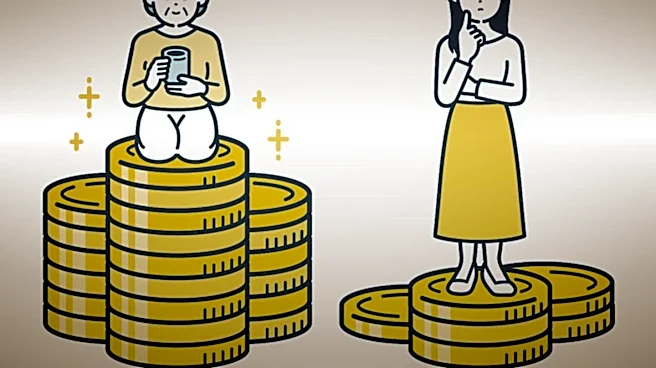
The disavowal of the 'tradwife' label by high-profile influencers like Hannah Neeleman signifies a notable shift in the landscape of online lifestyle content and its potential impact on societal perceptions of women's roles. The 'tradwife' aesthetic, which gained popularity on platforms like TikTok, has been linked to problematic ideologies, including those that view women's financial independence as undesirable. As influencers pivot away from this label, it could influence their millions of followers, potentially encouraging a re-evaluation of traditional gender roles and promoting more balanced views on partnership and career for women. This trend also highlights the commercial realities of online influence, where creators may adjust their branding to maintain relevance and avoid association with controversial movements, especially as older women who previously embraced traditional roles share negative experiences of financial dependence.
What's Next?
The ongoing disavowal of the 'tradwife' label by prominent influencers is likely to continue shaping the direction of lifestyle content online. This trend may lead to a broader re-evaluation of the term's implications and a more critical perspective on content promoting ultra-traditional gender roles. We can anticipate more creators, who may have been inadvertently or intentionally associated with the 'tradwife' aesthetic, to clarify their stances and emphasize their professional and personal autonomy. This could also prompt social media platforms to scrutinize content that promotes potentially harmful or radical ideologies, especially given concerns about algorithmic risks leading young users to more extreme content. The evolving public discourse may also encourage more nuanced discussions about women's choices, careers, and partnerships within the context of family life.
Beyond the Headlines
The movement away from the 'tradwife' label by influencers like Hannah Neeleman touches upon deeper ethical and cultural implications regarding authenticity and commercialism in online content creation. While these influencers present a curated lifestyle, the underlying business operations, including management and social media teams, reveal that the 'lived reality' is often a commercial product. This raises questions about the transparency of online personas and the potential for profit to drive shifts in ideology or branding. Furthermore, the emergence of narratives from 'older traditional wives' who experienced negative consequences from financial dependence underscores the real-world risks associated with the idealized 'tradwife' lifestyle. This highlights the ethical responsibility of influencers to consider the broader societal impact of the narratives they promote, especially when those narratives might inadvertently lead to vulnerability for their audience.