








What's Happening?
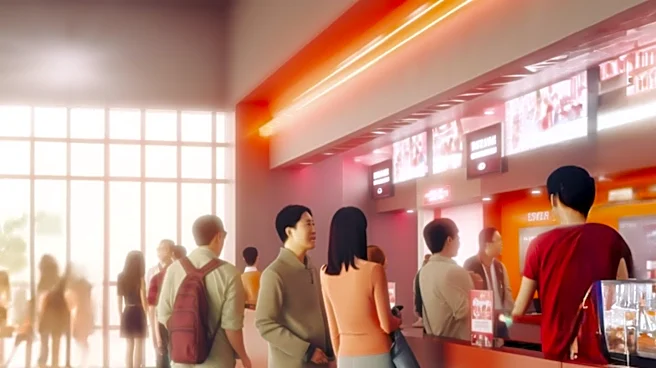
Shake Shack has responded to a viral TikTok video alleging that one of its locations in the Salt Lake City airport increased prices for customers who declined to tip. The video, posted by user B.D. Powell on August 8, showed a self-serve kiosk adding
50 cents to each item after the tipping option was declined. Shake Shack issued a statement denying this as company policy, clarifying that the issue was an 'error within their kiosk technology' unrelated to tipping. The company stated that its licensee, HMSHost, which operates the airport location and kiosk system, investigated and resolved the matter. NBC News' chief consumer investigative correspondent Vicky Nguyen later tested the claim at a different Shake Shack location and found no such pricing glitch, confirming the issue appeared to be an isolated incident at the Salt Lake City airport.
Why It's Important?
This incident highlights the significant impact of viral social media content on corporate reputation and consumer trust. A single TikTok video quickly generated millions of views, leading to widespread confusion and concern among customers about Shake Shack's pricing practices. The company's swift response and explanation, attributing the issue to a technical error rather than a deliberate policy, was crucial in mitigating potential damage. This event also underscores the complexities of integrating tipping options into automated self-service systems and the potential for technical glitches to create unintended consequences. For businesses, it emphasizes the need for robust technology, clear communication, and rapid response strategies in the age of instant digital scrutiny, especially concerning sensitive topics like pricing and customer fairness.
What's Next?
With Shake Shack and its licensee HMSHost confirming the kiosk error has been resolved, the immediate impact of this specific incident is expected to subside. However, the event serves as a reminder for businesses to continuously monitor their automated systems and customer feedback, particularly from social media platforms. Companies operating with self-service kiosks may review their software for similar potential glitches and ensure transparent pricing. Consumers, having witnessed the viral spread of such claims, may remain vigilant about pricing discrepancies, potentially leading to increased scrutiny of automated ordering systems across the fast-food industry. The broader conversation around tipping culture, especially in self-service environments, is likely to continue evolving.
Beyond the Headlines
The Shake Shack incident delves into the evolving landscape of consumer expectations and the role of technology in the service industry. As more businesses adopt self-service kiosks, the traditional dynamics of tipping are being re-evaluated. The public's reaction to the alleged upcharge reflects a discomfort with perceived punitive measures for not tipping, especially when direct human service is minimal. This raises ethical questions about how businesses design their pricing and tipping interfaces to ensure fairness and transparency. Furthermore, the power of a single viral video to shape public perception demonstrates the amplified voice of individual consumers in the digital age, compelling corporations to be more accountable and responsive than ever before to online narratives, regardless of their initial veracity.