





What's Happening?
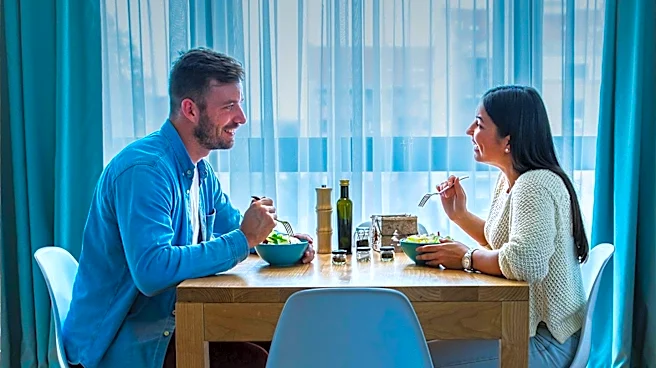
A U.S. couple, Gabriel Pecot and Luci Peraza, formerly from Ormond Beach, Florida, made a significant life change by moving to Castil de Campos, a village in Andalusia, Spain. Pecot, who worked in marketing, and Peraza, in mental health, sought a life with
more freedom and family time. They purchased a 1,600-square-foot, five-bedroom, two-bathroom house for approximately $72,000, paying in cash and avoiding a mortgage. This move was a 'leap of faith,' as their Digital Nomad Visa was still processing upon arrival. Pecot continues to work as a freelance marketing strategist, earning between $7,000 and $9,000 monthly, which supports their gradual business development and property upgrades. Their monthly living expenses for a family of three amount to about $1,216, covering groceries, utilities, health insurance, and other costs. In April, they opened a creative studio offering workshops in pottery, sewing, and nature-inspired arts, aiming to provide a space for visitors and locals to engage with art. Their home retreat, 'Stay & Create,' is scheduled to officially open to the public in May 2027.
Why It's Important?
This story highlights a growing trend among some Americans seeking alternative lifestyles and more affordable living outside the U.S., particularly in European countries like Spain. The couple's ability to purchase a substantial home for a fraction of typical U.S. housing costs, combined with a significantly lower cost of living, demonstrates a potential pathway for individuals and families to achieve financial freedom and a different quality of life. The establishment of their creative studio also reflects a shift towards entrepreneurial ventures that blend personal passions with community engagement, moving away from traditional corporate structures. This trend could influence U.S. economic patterns by reducing the domestic workforce in certain sectors and potentially inspiring more Americans to explore international relocation for improved work-life balance and financial stability. It also underscores the increasing viability of remote work and digital nomadism as a means to pursue such opportunities.
What's Next?
The couple plans to officially open their home retreat, 'Stay & Create,' in May 2027, which will further expand their creative studio's offerings and potentially attract international visitors. They will continue to invest in upgrading their property and building their business gradually, supported by Pecot's freelance marketing income. Their experience may serve as a case study for other Americans considering similar moves, potentially leading to increased interest in digital nomad visas and international entrepreneurship. The success of their venture could also inspire more communities in Spain and other European countries to develop infrastructure and support systems for expatriate entrepreneurs. The couple also intends to continue exploring travel opportunities, leveraging their new location for more accessible and affordable trips across Europe.
Beyond the Headlines
The couple's narrative delves into the deeper implications of defining success beyond corporate promotions and larger homes, emphasizing freedom, access to nature, and quality family time. Their adaptation to a slower pace of life in Spain, including cultural aspects like the midday siesta and less immediate service, highlights the psychological and social adjustments involved in international relocation. This move challenges conventional American notions of career progression and material accumulation, suggesting a re-evaluation of what constitutes a fulfilling life. The story also touches on the ethical dimension of seeking a more balanced life, potentially at the expense of traditional career paths, and the cultural exchange inherent in integrating into a new community while maintaining one's heritage, as both Pecot and Peraza are Dominican-American and Cuban-American, respectively, and speak Spanish.