



What's Happening?
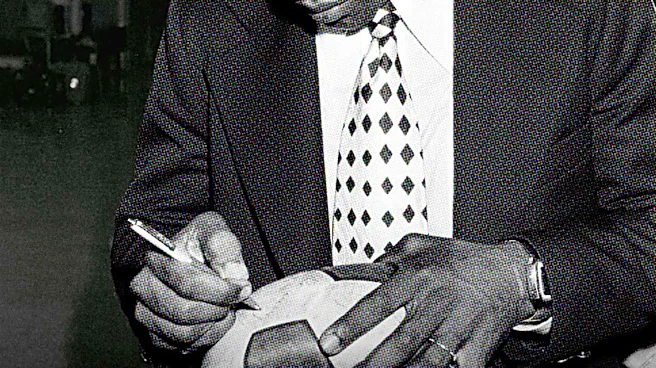
Kevin Parker, the frontman of the band Tame Impala, has announced he will no longer sign autographs or take photos with fans outside of hotels or airports. This decision stems from what he describes as the rise of 'aggressive autograph hounds,' some of whom
he claims are using children to obtain signatures. Parker, currently on tour in North America, shared this information via Instagram Stories. He also stated that he will temporarily stop meeting fans in parking lots after shows due to security risks and the overwhelming number of people, which his team is unable to manage. This policy marks a shift from his previous practice of meeting fans in Europe, where numbers were more manageable. Parker emphasized that fans should not be offended if he declines requests for autographs or photos.
Why It's Important?
This development highlights a growing issue faced by public figures in the entertainment industry, particularly concerning fan interactions and personal security. The use of children by professional autograph collectors, as alleged by Parker, raises ethical questions about the exploitation of minors for commercial gain and the pressure placed on artists. The decision to cease direct fan interactions outside of controlled environments reflects a broader trend where celebrities are increasingly prioritizing their personal safety and privacy over traditional fan engagement methods. This shift could lead to a re-evaluation of how artists connect with their audience, potentially pushing more interactions towards official, managed events or digital platforms. For fans, it means a reduction in spontaneous encounters, while for the industry, it underscores the need for enhanced security protocols and strategies to manage large crowds and aggressive individuals.
What's Next?
Following Parker's announcement, other artists may consider similar policies to address issues with aggressive collectors and security. This could lead to a broader industry discussion on best practices for fan engagement and artist protection. Fans might see a greater emphasis on organized meet-and-greets, official merchandise signings, or virtual interactions as alternatives to impromptu encounters. The music industry and venue operators may need to review and enhance their security measures to ensure the safety of artists and genuine fans. There could also be increased scrutiny on the practices of professional autograph dealers, potentially leading to calls for regulations or ethical guidelines to prevent the exploitation of artists and the use of deceptive tactics to obtain signatures for resale.
Beyond the Headlines
The issue extends beyond mere inconvenience for artists; it touches upon the commercialization of celebrity and the commodification of personal interactions. The 'aggressive autograph hounds' described by Parker represent a segment of the market that views celebrity encounters as transactional opportunities rather than genuine fan moments. This trend can erode the authentic connection between artists and their audience, transforming what should be a positive interaction into a source of stress and security concern. The alleged involvement of children in these schemes raises deeper ethical questions about child exploitation and the values being instilled in younger generations regarding celebrity culture. Ultimately, this situation reflects a broader societal challenge in balancing public access to celebrities with their right to privacy and safety, and the ethical implications of profiting from such interactions.