
What's Happening?
The fashion industry is experiencing a significant shift towards inclusivity and authenticity, largely driven by the rise of model beauty lines. These product collections, often created or endorsed by models,
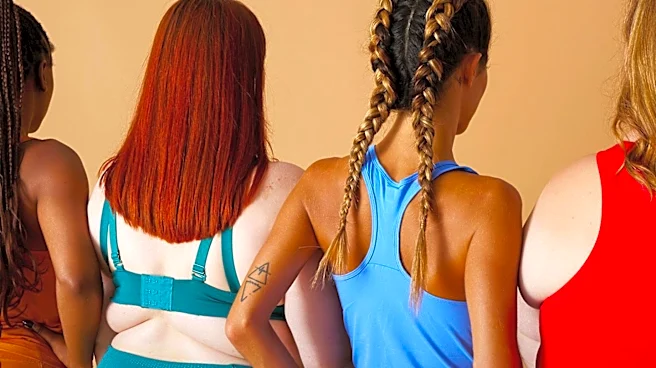
are redefining traditional beauty standards by representing a wider array of body types, skin tones, and aesthetics. Modern consumers are increasingly drawn to the authenticity offered by models who share their personal experiences and beauty rituals through their own lines. This trend fosters trust and connection with audiences, while also empowering models to become influential businesswomen and trendsetters. Model beauty lines are expanding beyond just makeup to include skincare and hair care, catering to a holistic approach to beauty and addressing previously underserved demographics. The movement emphasizes that beauty is not confined to a singular ideal, promoting diversity in marketing campaigns and product development.
Why It's Important?
This evolution in the fashion industry holds significant importance for U.S. consumers and businesses. For consumers, it means a broader range of products that cater to diverse needs and preferences, fostering a more inclusive perception of beauty. This can lead to increased self-esteem and representation for individuals who previously felt marginalized by conventional beauty standards. For businesses, particularly those in the beauty and fashion sectors, embracing this trend is crucial for market relevance and growth. Companies that prioritize authenticity, inclusivity, and sustainability in their product offerings and marketing strategies are more likely to resonate with modern consumers. The rise of model beauty lines also creates new entrepreneurial opportunities for models, allowing them to build personal brands and influence the industry beyond the runway, thereby diversifying economic participation within the sector.
What's Next?
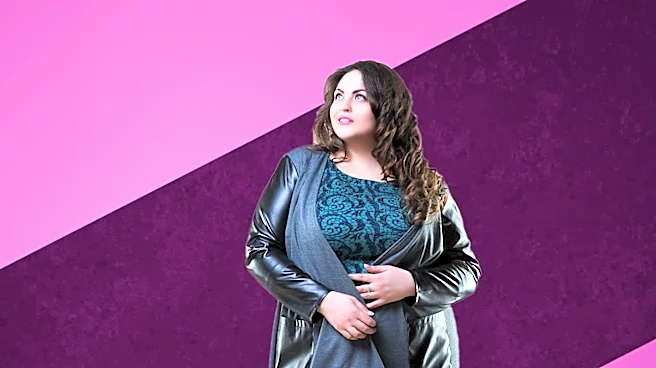
The future of model beauty lines is expected to see continued growth and an accelerated shift towards inclusivity and diversity. Consumers will likely demand even greater transparency regarding ingredients and ethical practices, pushing all beauty brands, including those led by models, to adapt and evolve. This will lead to a focus on high-quality, natural ingredients and sustainable practices in product development. Collaborations between model beauty lines, makeup artists, fashion designers, and influencers are anticipated to increase, leading to innovative products and diverse beauty philosophies. The influence of full-figure models is also expected to gain further traction, ensuring that future successful beauty lines reflect the voices of diverse body types and clarify that beauty exists in all forms. This ongoing evolution will continue to shape a more inclusive and diverse fashion landscape.
Beyond the Headlines
The proliferation of model beauty lines extends beyond mere product sales, touching upon deeper cultural and ethical dimensions within the U.S. fashion industry. This movement challenges long-standing, often narrow, beauty ideals that have historically contributed to body image issues and feelings of inadequacy among consumers. By promoting diverse representation and authentic narratives, these lines contribute to a more positive societal dialogue around self-acceptance and individual beauty. Ethically, the emphasis on sustainable practices and transparent ingredient sourcing within these lines reflects a growing consumer demand for corporate responsibility. This shift encourages the industry to consider its environmental and social impact, potentially leading to broader changes in manufacturing and supply chain practices. Culturally, it signifies a move away from aspirational, unattainable beauty standards towards a celebration of individuality and real-world diversity, fostering a more inclusive and representative cultural landscape.