






What's Happening?
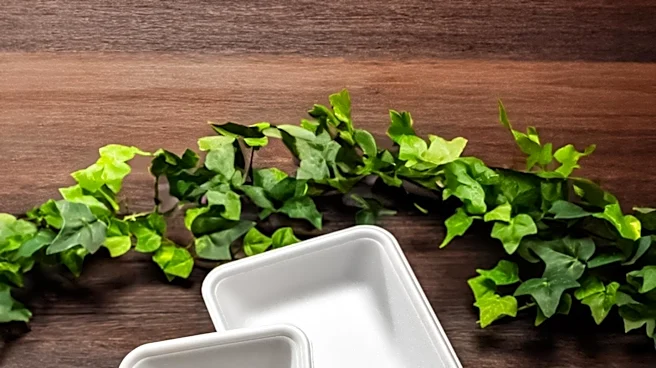
The biotech sector is experiencing a significant surge, leading to increased demand for foam pulp vial trays. This growth is a key factor contributing to the steady expansion of the research and development segment within the foam pulp vial trays market.
Pharmaceutical and biotechnology laboratories utilize these trays for storing, organizing, and transporting vials during experimental workflows. The demand in this segment is influenced by overall R&D spending, the number of research projects, and the adoption of sustainable lab practices. Key indicators include global pharmaceutical R&D expenditure, government funding for biomedical research, and the proliferation of biotech startups. The segment is projected to grow steadily through 2035, with R&D activities expanding in emerging markets and a focus on precision medicine and biologics. The shift towards sustainable packaging is also impacting R&D labs, which are increasingly required to meet corporate sustainability goals.
Why It's Important?
The proliferation of biotech startups is crucial for the U.S. economy and healthcare sector. These startups are at the forefront of innovation, driving advancements in precision medicine and biologics, which can lead to new treatments and therapies. The increased demand for foam pulp vial trays reflects a broader trend towards sustainable practices within the pharmaceutical and biotechnology industries. As U.S. companies, including major pharmaceutical and biotech firms, commit to net-zero packaging roadmaps, the adoption of molded fiber alternatives over traditional expanded polystyrene and polyurethane foam inserts becomes essential. This shift not only supports environmental goals but also creates new market opportunities for manufacturers of sustainable packaging solutions, potentially fostering job growth and investment in eco-friendly technologies within the U.S. manufacturing sector. The emphasis on sustainable lab practices also aligns with growing consumer and regulatory pressure for corporate social responsibility.
What's Next?
The foam pulp vial trays market is expected to continue its steady growth, particularly within the research and development segment, driven by ongoing innovation and the establishment of new biotech startups. Manufacturers will likely focus on developing advanced forming and coating technologies to address technical performance gaps, such as moisture sensitivity and dimensional consistency, compared to plastic foam. This will be crucial for wider adoption in high-speed fill-finish lines. Furthermore, the market will see continued efforts to meet stringent regulatory standards like ISO 15378 and GMP, which are essential for pharmaceutical buyers. The expansion of R&D activities in emerging markets and a sustained focus on precision medicine and biologics will ensure a consistent demand for these specialized trays, prompting further investment in research and development within the packaging industry to cater to these evolving needs.
Beyond the Headlines
The growth in biotech startups and the corresponding demand for sustainable lab supplies like foam pulp vial trays highlight a deeper societal shift towards integrating environmental responsibility with scientific advancement. This trend extends beyond mere compliance, reflecting a growing ethical imperative within the scientific community to minimize ecological footprints. The long qualification cycles for new suppliers to achieve GMP/ISO 15378 certification underscore the rigorous standards required in the biopharma industry, emphasizing patient safety and product integrity. This also points to a potential bottleneck for new entrants in the sustainable packaging market, favoring established players with proven compliance. The focus on precision medicine and biologics, often developed by these startups, signifies a move towards highly personalized healthcare, which could revolutionize treatment paradigms and improve patient outcomes, but also necessitates specialized and secure handling solutions throughout the research and development phases.