






What's Happening?
Gut health is profoundly influenced by various lifestyle factors, including diet, stress management, and physical activity. The gut microbiome, a community of microorganisms in the digestive tract, is central to this, affecting mood, immunity, skin, energy,
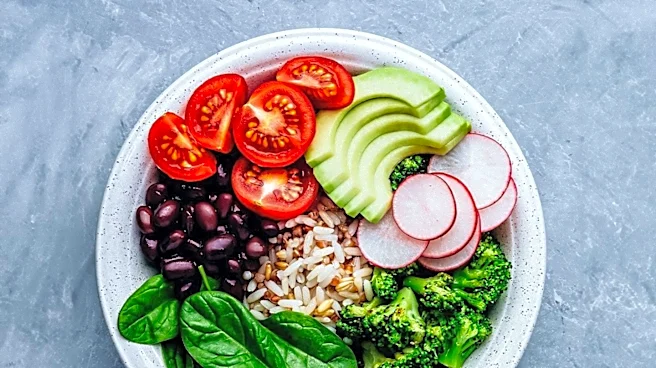
and hormonal balance. A balanced diet rich in fiber, particularly from plant-based foods, is crucial for fostering a diverse and healthy microbiome. Fiber aids in food movement through the gut, promotes satiety, and fuels beneficial bacteria. Regular physical activity not only strengthens gut muscles but also positively impacts the gut microbiome. Conversely, stress and insufficient sleep can disrupt gut health. Fermented foods and judicious antibiotic use are also noted as contributors to maintaining a healthy gut microbiome. The gut's intricate connections with the brain, immune system, skin, metabolism, and hormones highlight its comprehensive role in daily well-being.
Why It's Important?
The emphasis on lifestyle choices for gut health underscores a significant shift towards holistic health management in the U.S. This understanding impacts public health initiatives, dietary recommendations, and the wellness industry. For individuals, recognizing the gut's role in mood, immunity, and energy can lead to more informed decisions about diet and stress reduction, potentially reducing reliance on pharmaceutical interventions for certain conditions. Economically, the growing awareness of gut health drives demand for fiber-rich foods, probiotics, and related wellness products, influencing agricultural practices and food manufacturing. The interconnectedness of gut health with various bodily systems suggests that improvements in this area could lead to broader societal benefits, including reduced healthcare costs associated with chronic diseases linked to poor gut health. This also highlights the importance of personalized nutrition and comprehensive gut health testing to address individual imbalances.
What's Next?
Moving forward, there is an anticipated increase in personalized nutrition plans and advanced gut health testing, such as GI-MAP, to identify and address specific microbial imbalances. Consumers are likely to see a continued rise in the availability and marketing of products designed to support gut health, including prebiotics, probiotics, and fiber supplements like SynoGut and Prime Biome. Healthcare professionals may increasingly integrate dietary and lifestyle counseling into their practices to help patients manage gut-related issues. Educational campaigns promoting fiber-rich diets, stress reduction techniques, and adequate sleep are also expected to become more prevalent. Research will likely continue to explore the complex interactions within the gut microbiome and its broader impact on human health, potentially leading to new therapeutic approaches and preventive strategies.
Beyond the Headlines
The focus on gut health extends beyond immediate physical well-being, touching upon deeper ethical and cultural dimensions. The increasing commercialization of gut health products raises questions about efficacy claims and consumer education, necessitating stricter regulatory oversight. Culturally, there's a growing appreciation for traditional diets rich in fermented foods and whole grains, reflecting a return to more natural and less processed food consumption. The concept of the 'gut-brain axis' also opens avenues for understanding mental health through a physiological lens, potentially destigmatizing mental health conditions and fostering integrated treatment approaches. Long-term, a societal shift towards prioritizing gut health could lead to a more resilient population, better equipped to handle environmental stressors and chronic diseases, ultimately influencing public policy on food production, healthcare, and environmental sustainability.