





What's Happening?
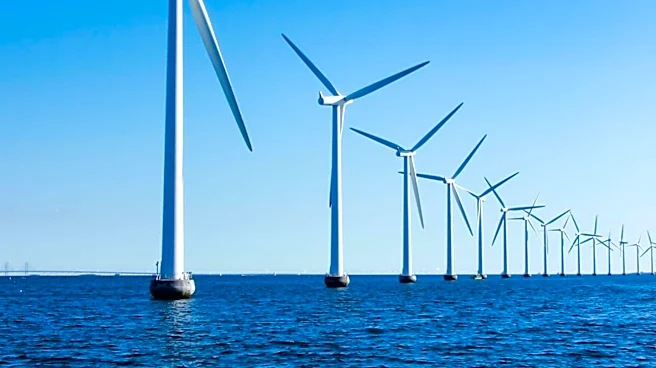
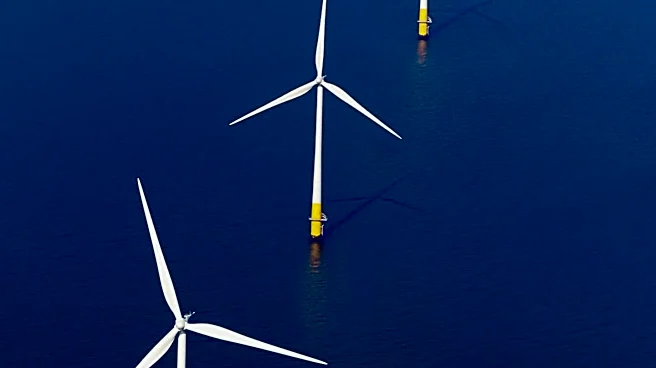
Ørsted has announced the completion of major construction works for its 920MW Greater Changhua 2b and 4 offshore wind farms in Taiwan. This significant milestone brings Ørsted's total installed capacity in the Greater Changhua cluster to 1.82GW, which
is projected to power approximately two million Taiwanese households annually. The project is anticipated to commence full commercial operations in late Q3 2026, pending final commissioning and regulatory approvals. This follows the successful operation of the 900MW Greater Changhua 1 and 2a projects, which began in 2024. The Greater Changhua 4 project, with 583MW capacity, is a joint venture between Ørsted and Cathay Life Insurance, each holding a 50% stake. Additionally, Ørsted has an agreement to sell a 55% stake in the 632MW Greater Changhua 2 to Cathay Life and Cathay Power, with the transaction expected to finalize after commissioning. The project secured financial backing from 30 domestic and international financial institutions and is supported by Taiwan’s first corporate power purchase agreement specifically for the semiconductor industry.
Why It's Important?
The completion of these large-scale offshore wind farms by Ørsted underscores the growing global commitment to renewable energy and highlights the significant investment and development in the offshore wind sector. While this specific project is located in Taiwan, its success demonstrates the viability and scalability of offshore wind technology, which has direct implications for the U.S. energy landscape. The U.S. is actively pursuing its own offshore wind development goals, and the operational achievements and financial models, such as corporate power purchase agreements and international financing, seen in projects like Greater Changhua, can serve as valuable precedents. The ability to power millions of homes with clean energy contributes to global efforts to reduce carbon emissions and combat climate change, aligning with U.S. climate objectives. Furthermore, the involvement of multiple financial institutions and corporate agreements showcases innovative funding mechanisms that could be replicated or adapted for large-scale renewable projects within the U.S., potentially accelerating its energy transition and creating new economic opportunities in the green sector.
What's Next?
The immediate next step for the Greater Changhua 2b and 4 offshore wind farms is the final commissioning process and securing regulatory requirements to begin full commercial operations. This is expected to occur in late Q3 2026. Following this, the transaction for Ørsted to sell a 55% stake in the 632MW Greater Changhua 2 to Cathay Life and Cathay Power is anticipated to close. The successful operation of these projects will likely further solidify Taiwan's position as a leader in offshore wind in Asia and could encourage more international investment in the region's renewable energy sector. For the U.S., the continued success of such large-scale projects globally may influence policy decisions, investment strategies, and technological advancements in its nascent offshore wind industry. It could also lead to increased collaboration and knowledge sharing between international developers and U.S. stakeholders, potentially accelerating the deployment of similar projects along the U.S. coastlines.
Beyond the Headlines
The successful execution of such a massive offshore wind project in Taiwan, involving complex financing and regulatory frameworks, offers a blueprint for other nations, including the U.S., looking to expand their renewable energy portfolios. The corporate power purchase agreement with the semiconductor industry is particularly noteworthy, as it demonstrates a direct link between industrial demand and renewable energy supply, potentially setting a precedent for other energy-intensive sectors globally. This model could encourage more U.S. corporations to invest in or commit to purchasing power from renewable sources, driving further development. Moreover, the project's scale highlights the increasing sophistication of offshore wind technology and project management, which could lead to greater efficiency and cost reductions in future developments worldwide. The long-term implications include a shift in energy security paradigms, reduced reliance on fossil fuels, and the creation of new green jobs and supply chains, all of which are critical considerations for the U.S. as it navigates its own energy transition.