




What's Happening?
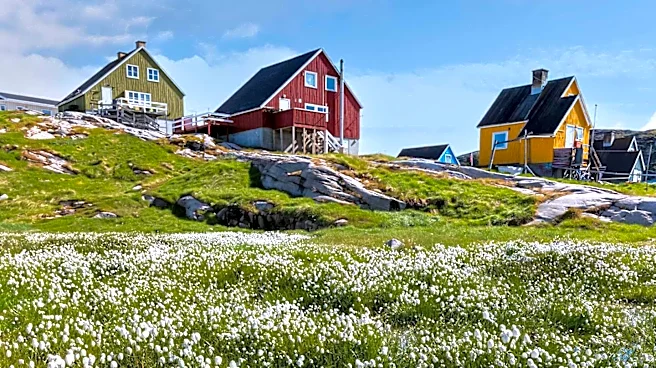
Travel costs have surged in 2026, with Greenland emerging as the most expensive destination according to a report by Squaremouth. The analysis considered expenses such as flights, accommodations, and daily costs, revealing that travelers to Greenland spend
an average of $1,171 per day. The high costs are attributed to the remote location and the unique experiences it offers, such as viewing glaciers and the northern lights. Other expensive destinations include the British Virgin Islands, French Polynesia, and Antarctica, each with their own luxury offerings and logistical challenges that drive up prices.
Why It's Important?
The rising costs of travel reflect broader economic trends, including inflation and increased demand for unique travel experiences. For the travel industry, these destinations represent lucrative markets, but they also highlight the challenges of accessibility and affordability. The high prices may limit travel to wealthier individuals, potentially impacting the diversity of visitors and the economic benefits for local communities. The trend underscores the need for sustainable tourism practices that balance economic gain with environmental and cultural preservation.
What's Next?
Travelers may need to plan more strategically, saving in advance for these high-cost destinations. The industry might see a shift towards more affordable alternatives or innovative travel packages that make these destinations accessible to a broader audience. Additionally, there could be increased focus on developing infrastructure and services that cater to a wider range of budgets. As travel continues to evolve, stakeholders will need to address the economic and environmental impacts of tourism in these high-demand areas.