
What's Happening?
Schneider National, a prominent provider of transportation and logistics services, is actively recruiting for CDL-A Dedicated Route Truck Driver positions in Corpus Christi, TX. These full-time roles offer
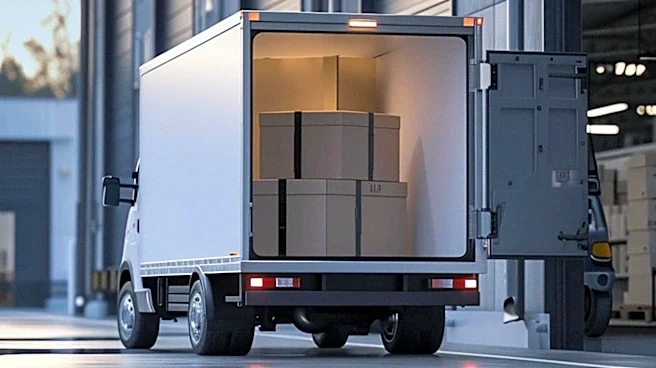
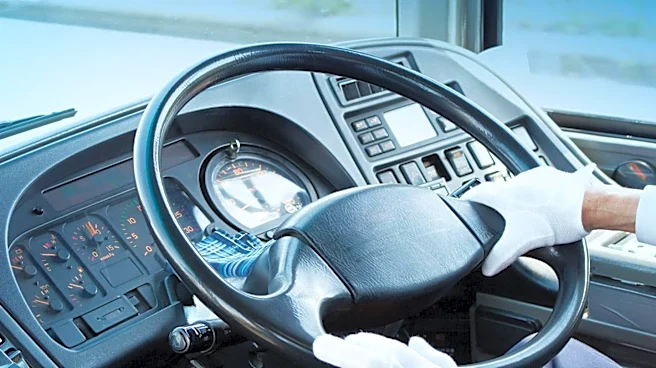
competitive salaries ranging from $70,000 to $90,000 annually. The company emphasizes a supportive corporate culture, career stability, and modern equipment for its drivers. Dedicated route drivers operate commercial tractor-trailers for a single, primary customer, leading to predictable schedules and consistent weekly home time. A key feature of these positions is the "no-touch" or "drop-and-hook" freight, meaning drivers are not responsible for physically loading or unloading cargo, allowing them to focus solely on safe and efficient transport. Candidates are required to possess a valid Class A Commercial Driver's License (CDL-A) with a flawless driving record, and a minimum of three months of verifiable commercial driving experience is preferred. Schneider National provides a comprehensive benefits package, including industry-leading mileage pay, performance bonuses, health and dental insurance, paid time off, and a 401(k) company match.
Why It's Important?
This recruitment drive by Schneider National is significant for the U.S. transportation and logistics sector, addressing the ongoing demand for skilled commercial drivers. By offering competitive salaries and a robust benefits package, the company aims to attract and retain talent in a critical industry that underpins the national economy. The emphasis on predictable routes and "no-touch" freight can improve driver satisfaction and retention, which are persistent challenges in the trucking industry. A stable and well-compensated trucking workforce directly impacts the efficiency of supply chains, ensuring timely delivery of goods across the country. Furthermore, Schneider's commitment to a supportive corporate culture and continuous professional development can elevate industry standards, potentially influencing other logistics companies to enhance their driver compensation and working conditions. This initiative helps to maintain the flow of commerce and supports the livelihoods of many individuals and families dependent on the trucking sector.
What's Next?
Schneider National will likely continue its recruitment efforts to fill these dedicated route positions, potentially expanding similar offerings to other regions based on demand and driver availability. The company's focus on driver well-being and predictable schedules could set a precedent for industry best practices, prompting other transportation firms to re-evaluate their employment models to attract and retain drivers. As the demand for logistics services evolves, Schneider may further integrate technological advancements to enhance driver experience and operational efficiency. The success of these dedicated routes could also lead to increased investment in driver training programs and infrastructure to support a growing workforce. The industry will be watching to see if these efforts lead to a measurable improvement in driver retention rates and overall operational stability for Schneider National.
Beyond the Headlines
The trend towards dedicated routes and improved working conditions for truck drivers, as exemplified by Schneider National, reflects a broader societal recognition of the essential role these professionals play in the economy. Beyond the immediate economic impact, this shift could contribute to a more sustainable and equitable labor market within the transportation sector. Addressing issues like work-life balance and physical strain through "no-touch" freight can have long-term positive effects on driver health and safety, potentially reducing turnover and improving overall industry morale. This approach also highlights the increasing importance of human capital in a technologically advancing industry, where skilled drivers remain indispensable. The move towards more predictable and humane working conditions could also attract a more diverse workforce to trucking, challenging traditional perceptions of the profession and fostering a more inclusive industry.