
What's Happening?
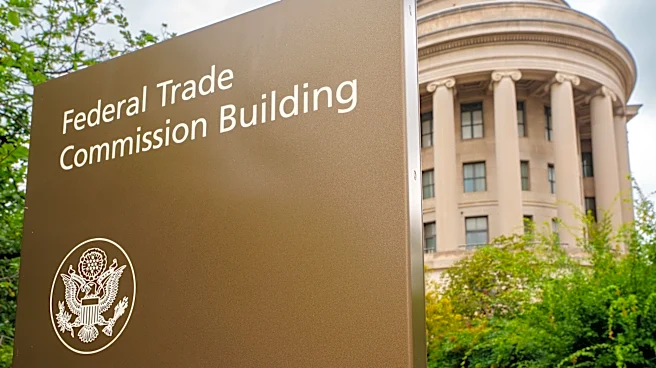
The Federal Trade Commission (FTC) Red Flags Rule (16 CFR Part 681) requires financial institutions and creditors to implement written, board-approved programs to detect and respond to identity theft.
This rule applies to a broad range of entities, including lenders, utilities, telecoms providers, and fintechs, many of whom may not realize they are covered. An almost identical version, Regulation S-ID (17 CFR Part 248 Subpart C), applies to broker-dealers, funds, and investment advisers regulated by the Securities and Exchange Commission (SEC). The rule mandates four key elements: identifying relevant red flags, establishing procedures to detect them, responding appropriately to prevent and mitigate identity theft, and periodically updating the program to reflect changing risks. Covered accounts include consumer accounts allowing multiple payments or transactions, and any other accounts where identity theft risk is reasonably foreseeable. The FTC's civil penalty for Fair Credit Reporting Act violations, applicable to this rule, is adjusted annually for inflation, with the 2025 adjustment listing $4,983 per violation.
Why It's Important?
This regulation is crucial for protecting U.S. consumers and businesses from the growing threat of identity theft, particularly as digital interactions and AI agents become more prevalent in financial services. By requiring proactive identity theft prevention programs, the rule aims to safeguard sensitive financial information and maintain trust in the financial system. The broad scope of entities covered means that a significant portion of the U.S. economy, from traditional banks to emerging fintech companies, must adhere to these standards. Failure to comply can result in substantial financial penalties and reputational damage. The rule's emphasis on continuous updates to address new fraud methods, including those involving AI agents, highlights the dynamic nature of cybersecurity threats and the need for adaptive security measures to protect both customers and the financial stability of businesses.
What's Next?
Financial institutions and creditors must ensure their identity theft prevention programs are robust, board-approved, and regularly updated. This includes assessing all account types for identity theft risk, building comprehensive red flag registers, developing response playbooks, and implementing specific procedures for address changes and discrepancies. Oversight of service providers, including AI decision vendors, is also critical, with contracts needing to stipulate red flag detection and response duties. Annual reports to the board or senior management are expected to review program effectiveness and recommend necessary changes. As AI agents become more sophisticated, businesses will need to integrate new red flags related to AI-driven access and transactions into their programs, ensuring that security measures evolve with technological advancements.
Beyond the Headlines
The Red Flags Rule underscores a fundamental shift in how identity theft is addressed, moving beyond reactive measures to proactive prevention. The inclusion of AI agents in the discussion of covered accounts and detection methods points to the increasing complexity of digital identity and the challenges of distinguishing between legitimate automated activity and malicious intent. This development raises ethical questions about the accountability of AI systems in financial transactions and the need for clear frameworks for customer consent and delegation of authority to AI. The rule's emphasis on continuous adaptation also highlights the ongoing arms race between cybercriminals and security professionals, where static security measures are quickly rendered obsolete. Ultimately, the effectiveness of these regulations will depend on their ability to keep pace with technological innovation and the evolving tactics of identity thieves.