






What's Happening?
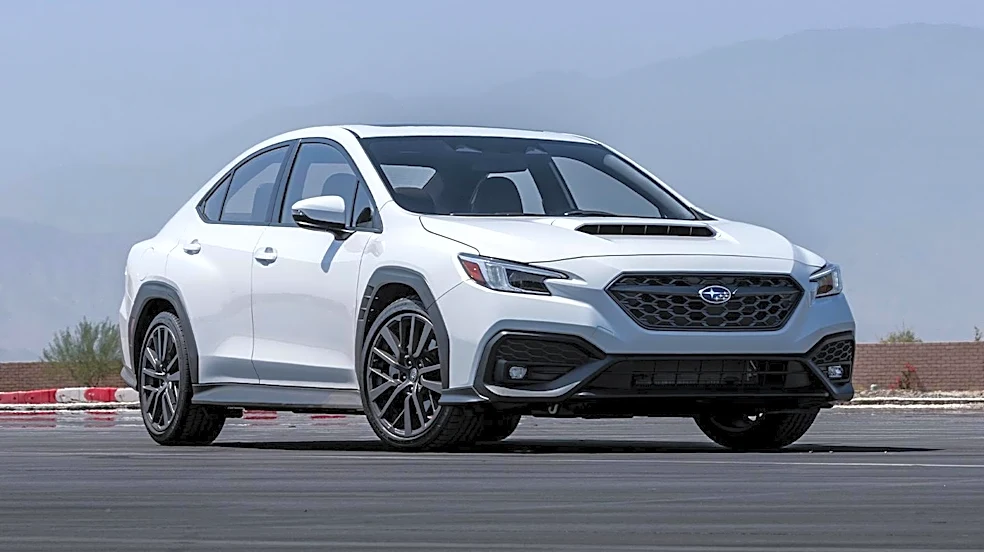
Subaru of America is actively recruiting an EV Business Planning Manager in Camden, NJ, with a salary range of $100,000 to $135,400 per year. This role is pivotal in managing the transition of vehicle powertrains from internal combustion engines to hybrid
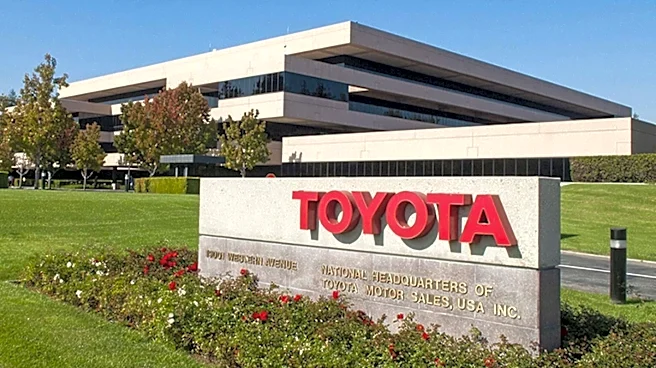
electric vehicles (HEVs) and battery electric vehicles (BEVs). The position involves coordinating activities and communication across various working groups, including those with Subaru Corporation (SBR), Toyota Motor Corporation (TMC), and Toyota Motor North America (TMNA). The manager will also lead the business operations for battery life cycle management strategy, focusing on developing closed-loop processes for post-vehicle-use batteries and evaluating solutions for recycling and alternative second-life applications.
Why It's Important?
This job opening signifies a critical strategic shift within Subaru of America towards electric vehicles, reflecting broader industry trends and regulatory pressures. The explicit mention of collaboration with Toyota Motor North America underscores the growing importance of alliances in the competitive and capital-intensive EV market. Such partnerships allow companies to share development costs, leverage expertise, and accelerate market entry for new technologies. For the U.S. automotive market, this role is crucial for driving innovation, expanding EV offerings, and addressing environmental concerns. The focus on battery life cycle management also highlights the industry's increasing attention to sustainability and circular economy principles, which will have long-term impacts on resource management and environmental policy.
What's Next?
The successful candidate for the EV Business Planning Manager role will be instrumental in shaping Subaru of America's electric vehicle strategy and operational implementation. This will involve close coordination with internal departments and external partners like TMNA to ensure a smooth transition to electrified powertrains. The role will also entail analyzing evolving EV incentives, including state-specific initiatives, and representing Subaru in external engagement activities with industry trade associations. The outcome of these efforts will directly influence Subaru's competitiveness in the rapidly expanding EV market and its ability to meet future environmental regulations. The development of robust battery life cycle management strategies will also set precedents for sustainable practices within the automotive sector.
Beyond the Headlines
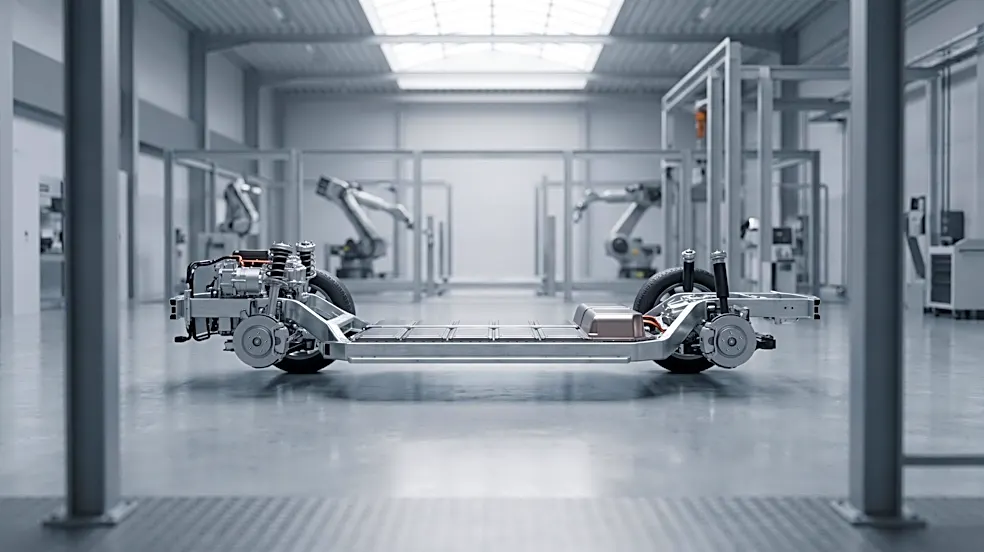
The collaboration between Subaru and Toyota, as evidenced by this job description, points to a deeper trend of strategic alliances in the automotive industry. As the cost and complexity of developing advanced EV technologies increase, manufacturers are finding it more efficient to pool resources and expertise. This could lead to more standardized components, shared platforms, and accelerated innovation across different brands. Furthermore, the emphasis on battery life cycle management reflects a growing societal and regulatory demand for corporate responsibility beyond product sales, extending to the entire environmental footprint of a vehicle. This shift could drive new business models in recycling, energy storage, and material recovery, creating new industries and job opportunities.