




What's Happening?
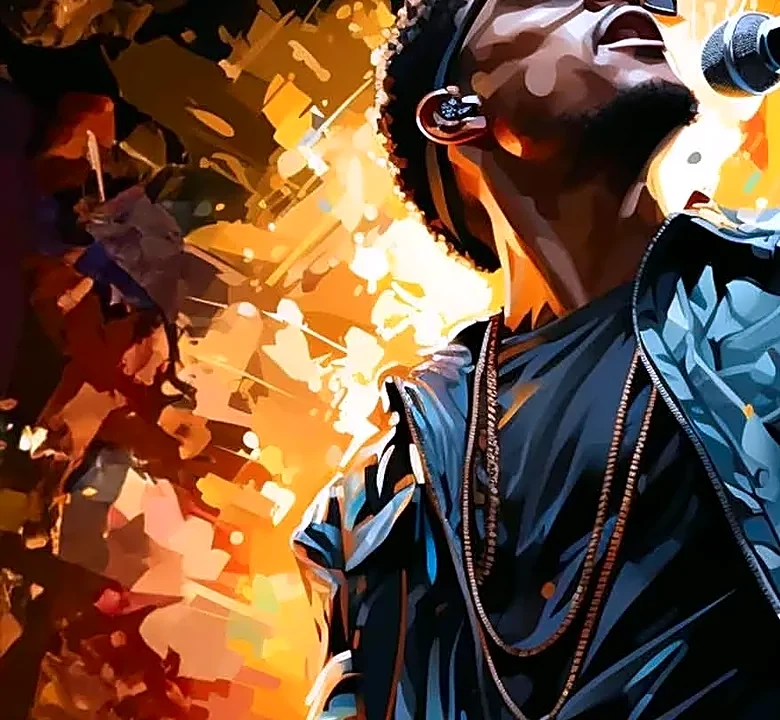
Hip-hop icon Dr. Dre has publicly embraced the use of artificial intelligence (AI) in music production, stating that he is actively using it to create beats. In a recent New York Times interview, Dr. Dre criticized those who are hesitant to adopt the technology,
comparing their skepticism to resistance against past musical innovations like drum machines and synthesizers. He views AI as a new tool for creativity and expressed excitement about its future potential. Dr. Dre clarified that he uses AI as a tool to explore possibilities with his existing work, rather than as a replacement for his creative process. His longtime partner, Jimmy Iovine, co-founder of Interscope Records, also supports AI in music creation, believing it will lead to better records when used by gifted individuals. This perspective contrasts with other musicians, such as Thomas Bangalter of Daft Punk and bands like King Gizzard & the Lizard Wizard, who have expressed concerns about AI's impact on creativity and its potential to generate music clones that affect streaming royalties.
Why It's Important?
Dr. Dre's endorsement of AI in music production carries significant weight within the music industry, given his legendary status as a producer and artist. His embrace of AI could accelerate its adoption among other artists and producers, potentially reshaping how music is created, produced, and consumed in the United States. This development highlights a growing divide within the creative community regarding AI: those who see it as an innovative tool for artistic expansion and those who view it as a threat to human creativity, intellectual property, and financial stability. The debate has profound implications for the music industry's economic models, particularly concerning streaming royalties and the value of original artistic work. If AI-generated music becomes prevalent, it could alter revenue streams for human artists and necessitate new legal frameworks for copyright and ownership.
What's Next?
The music industry is likely to see increased experimentation with AI tools, driven by figures like Dr. Dre. This could lead to a surge in AI-assisted music releases and a broader discussion about the ethical and practical implications of this technology. Record labels and streaming platforms may need to adapt their policies and business models to accommodate AI-generated content and address concerns about fair compensation for artists. Legal challenges related to copyright and intellectual property for AI-created music are also anticipated. Furthermore, the ongoing debate could influence music education and training, with a greater emphasis on understanding and utilizing AI as a creative partner. The industry will need to navigate the balance between technological advancement and preserving the unique value of human artistry.
Beyond the Headlines
Dr. Dre's comments delve into a deeper philosophical question about the nature of creativity itself. By comparing AI to drum machines and synthesizers, he suggests that technological tools have always evolved and been integrated into the artistic process, rather than diminishing it. This perspective challenges the notion that AI is inherently antithetical to human artistry. The discussion also touches upon the concept of 'gatekeepers' in creativity, as Dr. Dre implies that resistance to AI might stem from a fear of learning new things or a lack of creative confidence. The long-term implications could include a redefinition of what constitutes 'authorship' in music, the emergence of new genres or artistic forms enabled by AI, and a shift in the skills required for successful music production. The ethical considerations around AI's potential to mimic or even surpass human creativity will continue to be a central theme in the broader cultural conversation.