






What's Happening?
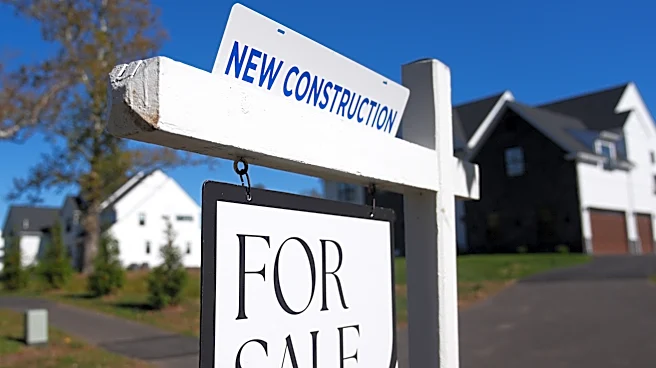
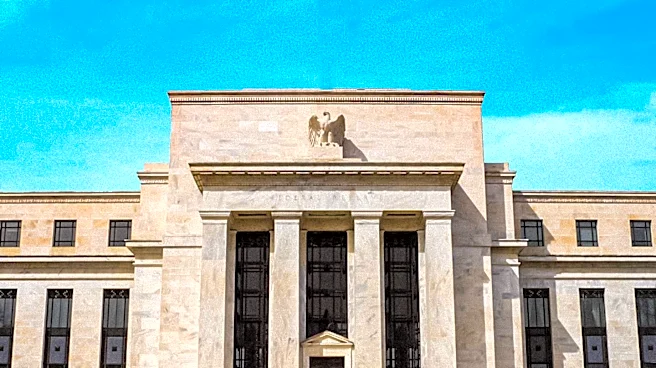
Mortgage rates in the U.S. have reached their highest level in a year, with the average rate on 30-year fixed home loans hitting 6.66% for the week ending July 30, 2026. This increase follows a decision by the Federal Open Market Committee (FOMC) to keep
the federal funds rate unchanged, despite internal dissent and potential future hikes. The decision comes amid ongoing inflation concerns fueled by geopolitical tensions, particularly the conflict in Iran. The Federal Reserve's stance has led to a rise in the 10-year Treasury yield, which typically influences mortgage rates. As a result, homebuyers are facing higher borrowing costs, leading to a decrease in pending home sales.
Why It's Important?
The rise in mortgage rates is significant as it affects the affordability of homeownership for many Americans. Higher rates increase monthly mortgage payments, which can deter potential buyers, especially first-time homebuyers who are more sensitive to changes in borrowing costs. This situation could lead to a slowdown in the housing market, impacting real estate sales and construction industries. Additionally, the Federal Reserve's decision reflects broader economic challenges, including managing inflation and geopolitical risks, which have implications for the overall economic stability and consumer confidence.
What's Next?
The Federal Reserve's future actions will be closely watched, with markets anticipating potential rate hikes in the coming months. The FOMC's next meeting in September could result in a rate increase, depending on inflation trends and economic conditions. Homebuyers and real estate professionals will need to adapt to the evolving market dynamics, potentially leading to more cautious financial planning and adjustments in pricing strategies. The ongoing geopolitical tensions and their impact on oil prices will also be critical factors influencing future economic policies.