








What's Happening?
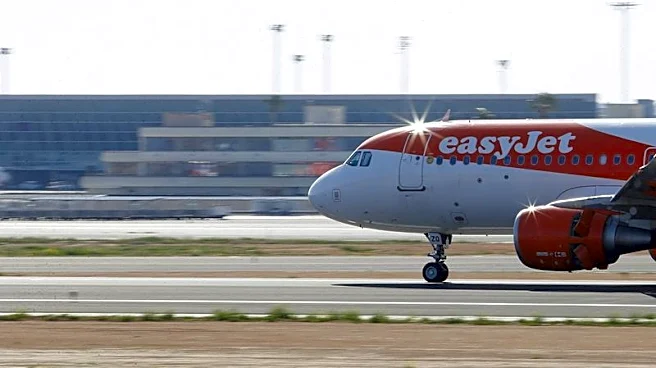
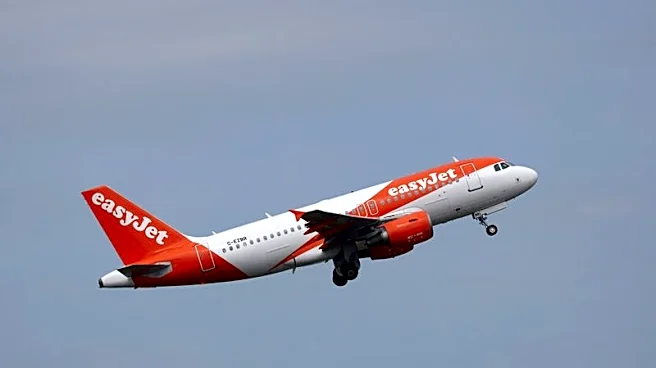
U.S.-based investment firm Castlelake has proposed a $7.3 billion takeover of UK airline EasyJet, valuing the carrier at approximately £5.2 billion. The proposal includes a payment of £6.90 ($9.20) per share, representing a significant premium over EasyJet's
recent stock price. EasyJet's board has indicated a willingness to recommend the offer to shareholders, although a formal offer must be submitted by August 3. Analysts at Bernstein suggest that if the takeover proceeds, EasyJet may be broken up, with its assets sold to European network carriers. This includes its fleet, airport slots, and the EasyJet Holidays business. Castlelake, known for its aircraft leasing business, is reportedly interested in EasyJet's fleet and order book, which includes over 200 owned aircraft and an order of approximately 180 planes.
Why It's Important?
The potential breakup of EasyJet could significantly impact the European aviation market, particularly benefiting low-cost carriers like Ryanair and Wizz Air. The sale of EasyJet's assets could lead to increased competition and supply constraints in the market. For Castlelake, the acquisition aligns with its interests in aircraft leasing, providing access to a substantial fleet and future aircraft deliveries. However, the deal faces regulatory challenges, including compliance with European Union foreign-ownership rules. The outcome of this takeover could reshape the competitive landscape of the European airline industry, affecting stakeholders ranging from investors to consumers.
What's Next?
Castlelake must submit a formal offer by August 3, and EasyJet's board will need to recommend it to shareholders. Regulatory approval will be crucial, as the acquisition must comply with EU foreign-ownership regulations. Castlelake plans to structure the takeover through a vehicle majority-owned by EU interests to navigate these rules. The response from EasyJet's shareholders, including EasyGroup, which holds a significant stake, will be pivotal. If the takeover proceeds, the subsequent asset sales could lead to strategic shifts among European airlines, potentially altering market dynamics.