






What's Happening?
Nuuly, a clothing rental subscription service launched in 2019 by the company behind Anthropologie, Free People, and Urban Outfitters, provides women's apparel for various occasions. Subscribers can select six items per month for a fee of $98, plus applicable
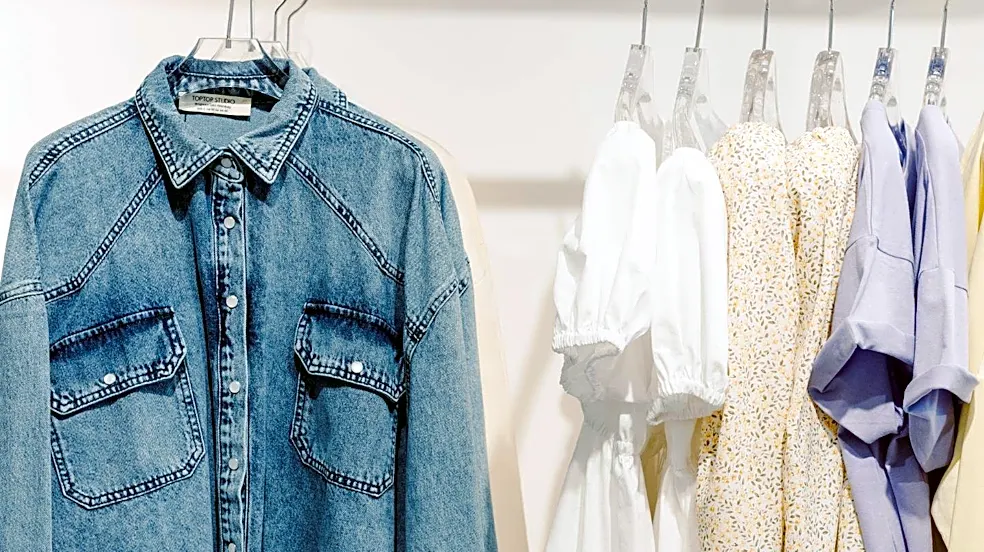
taxes. The service includes workwear, casual separates, denim, outerwear, statement dresses, maternity clothing, and vintage pieces. Nuuly handles professional cleaning and repairs between rentals, and standard shipping and returns are included. Subscribers can choose to purchase rented items at a discounted price. The service aims to offer more outfit choices without the need for permanent closet additions, making it potentially useful during life transitions or style changes. Nuuly currently ships within the United States, excluding PO boxes, military APO/FPO addresses, and US territories.
Why It's Important?
This service is important as it reflects a growing trend in the U.S. retail market towards subscription-based models and the circular economy. For consumers, Nuuly offers a way to access a wider variety of clothing, including premium labels, without the significant upfront cost of purchasing. This can be particularly beneficial for individuals who need specific outfits for events, are experiencing changes in their body size (e.g., pregnancy), or wish to experiment with new styles without long-term commitment. For the fashion industry, it represents an alternative revenue stream and a potential shift in consumer behavior away from fast fashion towards more sustainable practices, although the environmental impact of repeated shipping and cleaning is still a subject of debate. The model also allows brands like Anthropologie and Urban Outfitters to reach a broader customer base and potentially convert renters into buyers.
What's Next?
Nuuly will likely continue to expand its catalog of brands and styles to attract and retain subscribers. The company may also explore further integration of technology to enhance the user experience, such as improved sizing recommendations or personalized styling algorithms, though currently, users select items themselves. As the clothing rental market matures, Nuuly could face increased competition, potentially leading to adjustments in pricing, subscription tiers, or service offerings. The focus will remain on demonstrating the financial and practical value of renting over buying, especially for consumers who frequently update their wardrobes or need specialized attire. The service's ability to adapt to evolving consumer preferences and sustainability concerns will be crucial for its long-term success.
Beyond the Headlines
The rise of clothing rental services like Nuuly points to a broader cultural shift in how Americans view ownership and consumption, particularly in fashion. This model challenges the traditional linear economy of 'buy, wear, discard' by promoting reuse and extending the lifecycle of garments. While often marketed as a sustainable alternative, the environmental impact is complex, involving considerations of production, transportation, packaging, and industrial cleaning processes. Ethically, it raises questions about labor practices in the cleaning and logistics sectors supporting these services. Culturally, it caters to a desire for novelty and variety in personal style, driven in part by social media and the rapid pace of fashion trends, while also offering a practical solution for those seeking to minimize clutter or reduce their environmental footprint. The success of such services could influence future retail strategies and consumer expectations across various product categories.