










What's Happening?
The U.S. economy experienced a stronger growth rate in the first quarter of 2026 than initially reported, according to the Commerce Department's Bureau of Economic Analysis. The gross domestic product (GDP) increased at an annualized rate of 2.1%, up
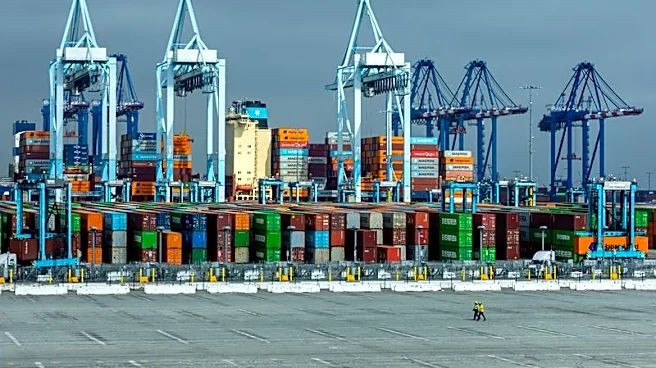
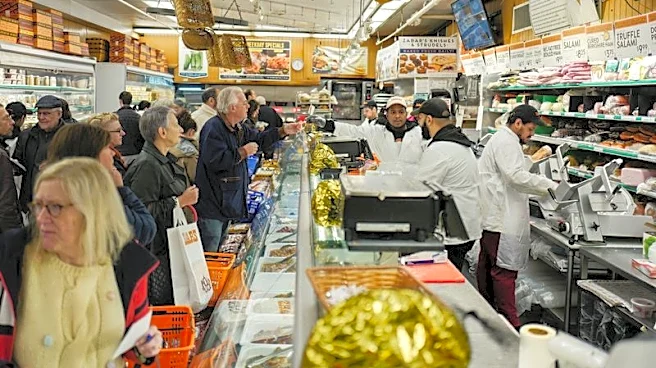
from the previously reported 1.6%. This revision was largely due to a downward adjustment in imports, particularly consumer and capital goods. However, consumer spending, which constitutes over two-thirds of the economy, nearly stalled, growing at just 0.5% compared to the earlier estimate of 1.4%. The slowdown in consumer spending was attributed to reduced outlays on services such as financial services, insurance, and international travel, partly due to a stock market downturn. Despite this, spending showed signs of recovery early in the second quarter, aided by substantial tax refunds.
Why It's Important?
The revised GDP figures indicate a more robust economic performance than previously thought, which could influence monetary policy decisions and investor confidence. The near-stagnation in consumer spending, however, raises concerns about the sustainability of economic growth, as consumer expenditure is a critical driver of the U.S. economy. The data suggests that while business investments, particularly in artificial intelligence and intellectual property, are bolstering economic activity, consumer confidence and spending power remain fragile. This dichotomy could impact future economic strategies and fiscal policies, especially in light of ongoing geopolitical tensions affecting energy prices.
What's Next?
Looking ahead, the U.S. economy may continue to face challenges balancing growth with consumer spending. Policymakers might need to consider measures to stimulate consumer confidence and spending, possibly through fiscal incentives or addressing inflationary pressures. The ongoing impact of international conflicts on energy prices and the stock market could further influence economic conditions. Additionally, the role of technological investments in driving growth will likely remain a focal point for economic planning and policy formulation.