









What's Happening?
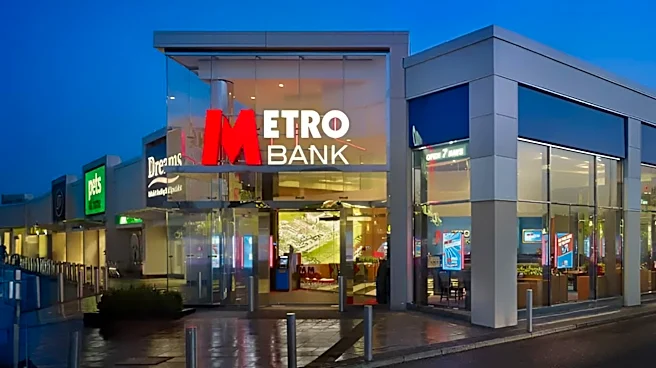
Retail parks in the UK are experiencing a significant shortage of available space as demand from various retailers, including discounters, fashion chains, gyms, and convenience-led operators, continues to rise. According to estate agents Knight Frank,
the vacancy rates in retail parks have dropped to near-record lows, with limited new retail warehouse developments in the pipeline. This has led to increased competition for available spaces, particularly larger units. British Land's head of retail parks, Matthew Reed, notes that the demand for retail park space is much stronger than the supply, with occupancy rates consistently at 99% across their parks. Retail parks have become highly sought-after due to their affordability, accessibility, and adaptability, offering benefits such as easy access, free parking, and larger, flexible store spaces that support various retail strategies.
Why It's Important?
The shortage of retail park space highlights a critical issue in the UK retail property market, where demand outpaces supply. This situation affects retailers' ability to expand and adapt to changing consumer preferences, potentially impacting their growth and profitability. Retail parks offer a strategic advantage for retailers by supporting omnichannel strategies, enhancing customer experience, and facilitating online order fulfillment. The high demand for these spaces underscores their importance in the retail landscape, as they provide a cost-effective alternative to high street locations. The limited availability of new retail park developments could constrain retailers' expansion plans, affecting their ability to meet consumer demand and compete effectively.
What's Next?
Addressing the shortage of retail park space will require strategic planning and development. Real estate firms and local authorities may need to consider expanding or reconfiguring existing parks to accommodate growing demand. Additionally, there may be a need for new retail park developments, provided they align with planning regulations and community needs. Retailers and landlords will need to collaborate to create a balanced mix of tenants that attract foot traffic and contribute to the long-term success of retail parks. As demand continues to rise, the industry will need to explore innovative solutions to ensure the availability of high-quality retail space.