




What's Happening?
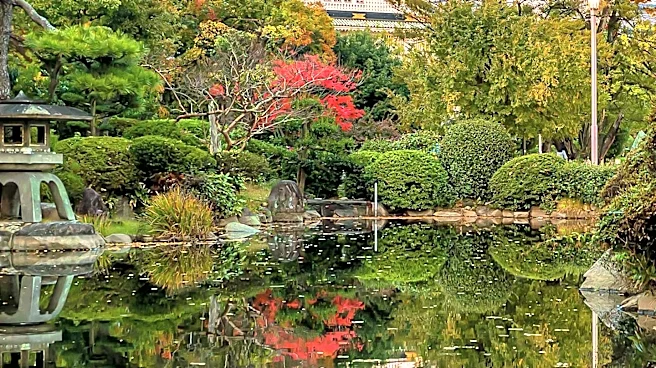
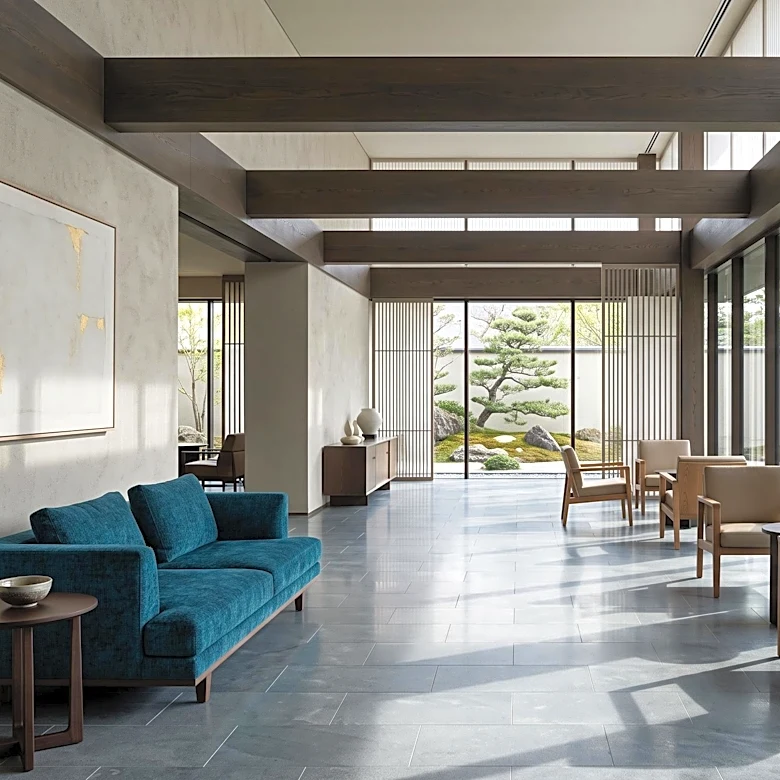
Osaka, Japan, offers a wide array of attractions, ranging from serene stroll gardens to bustling historic sites. Among these is Keitakuen, a formal Japanese strolling garden located within Tennoji Park, which provides a tranquil escape with its meticulously
maintained landscapes. The city also boasts significant historical landmarks such as Osaka Castle, a reconstruction dating to 1931, and Shitennoji Temple, Japan’s oldest officially established Buddhist temple founded in 593 CE. Additionally, Osaka features unique cultural experiences like the Shinsekai district, known for its retro early-20th-century aesthetic, and the vibrant Dotonbori canal area, famous for its neon signs and food culture. The city's attractions are spread across various neighborhoods, requiring some planning for efficient exploration.
Why It's Important?
Osaka's diverse attractions are important for U.S. tourists and the broader travel industry as they offer a rich tapestry of cultural, historical, and recreational experiences. The presence of traditional Japanese stroll gardens like Keitakuen provides a window into Japanese aesthetic principles and offers a peaceful counterpoint to the city's urban energy. Historic sites such as Osaka Castle and Shitennoji Temple offer valuable insights into Japan's past, enriching visitors' understanding of its heritage. For the U.S. tourism market, Osaka represents a significant destination that caters to a wide range of interests, from history buffs and nature lovers to those seeking modern entertainment and culinary adventures. This diversity contributes to Japan's appeal as a global travel destination, influencing travel patterns and economic activity in the region.
What's Next?
As Osaka continues to attract international visitors, efforts will likely focus on enhancing accessibility and visitor experience across its diverse attractions. This could include improved multilingual signage, digital guides, and integrated transportation options to help tourists navigate the city more easily. There may also be continued development of new attractions and revitalization of existing ones to maintain visitor interest. Promotional campaigns targeting specific international markets, including the U.S., will likely highlight Osaka's unique blend of tradition and modernity. Furthermore, sustainable tourism initiatives may be implemented to manage visitor flow and preserve the integrity of historic sites and natural spaces, ensuring their enjoyment for future generations.
Beyond the Headlines
Osaka's blend of ancient traditions and modern urban life offers a compelling narrative about Japan's evolution. The juxtaposition of a tranquil stroll garden with the vibrant, neon-lit streets of Dotonbori reflects the country's ability to honor its past while embracing the future. This dynamic interplay can provide U.S. visitors with a deeper understanding of Japanese society, where reverence for heritage coexists with innovation and contemporary culture. The city's emphasis on distinct neighborhood identities, each with its own character and attractions, also speaks to a nuanced urban planning philosophy. This can inspire discussions on urban development and cultural preservation in other global cities, including those in the U.S., seeking to balance growth with the maintenance of unique local identities.