







What's Happening?
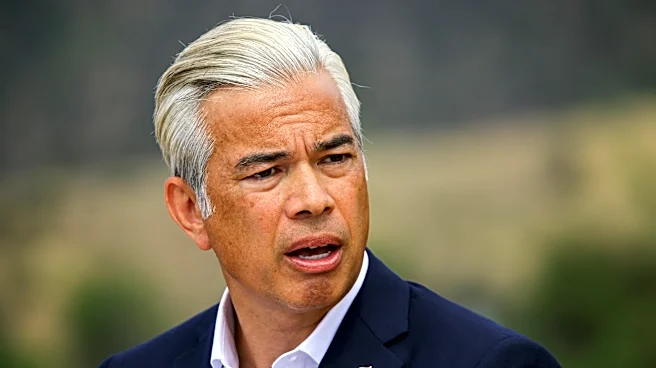
California Attorney General Rob Bonta has canceled settlement discussions with Paramount regarding its proposed merger with Warner Bros. Discovery. The decision stems from what Bonta described as legal challenges and misrepresentations made by Paramount.
Previously, Paramount had promoted the merger as a strategic move to enhance competition within the industry, projecting an annual production investment of $30 billion and a commitment to release at least 30 films per year. The Attorney General's office had been engaged in negotiations to address potential antitrust concerns and ensure the merger would not harm consumers or competition in California. The abrupt halt in talks indicates a significant hurdle for the proposed consolidation of these major media entities, suggesting that the state of California views the merger with considerable skepticism regarding its stated benefits and potential market impact. This development places the future of the merger in a precarious position, as regulatory approval from key states like California is often crucial for such large-scale transactions.
Why It's Important?
This action by the California Attorney General carries significant implications for the U.S. entertainment and media landscape. California is a pivotal state for the film and television industry, and its regulatory stance can heavily influence national merger outcomes. The cancellation of settlement talks signals a strong regulatory challenge to the proposed Paramount-Warner Bros. Discovery merger, potentially leading to increased scrutiny from other state and federal antitrust authorities. If the merger is ultimately blocked or significantly delayed, it could impact the competitive dynamics of content production, distribution, and streaming services. Consumers might see fewer new content offerings or different pricing structures than anticipated under a merged entity. For the companies involved, a failed merger could lead to substantial financial losses, strategic re-evaluations, and a potential shift in their long-term growth plans. The broader industry will be watching closely, as this case could set a precedent for how large media consolidations are reviewed and approved in the future, particularly concerning claims of increased competition and investment.
What's Next?
The immediate consequence of the canceled settlement talks is that Paramount and Warner Bros. Discovery will likely face a more rigorous and potentially adversarial review process in California. This could involve formal legal challenges or investigations initiated by the Attorney General's office. The companies may need to revise their merger proposal, offer new concessions, or prepare for a protracted legal battle to secure approval in California. This development could also prompt federal regulators, such as the Department of Justice or the Federal Trade Commission, to intensify their own antitrust reviews, if they haven't already. Stakeholders, including investors, employees, and competitors, will be closely monitoring the next steps, as the outcome will determine the future structure and competitive balance of a significant portion of the U.S. media industry. The companies will need to decide whether to continue pursuing the merger under increased regulatory pressure or explore alternative strategic paths.
Beyond the Headlines
The California Attorney General's decision highlights a growing trend of increased state-level scrutiny over large corporate mergers, particularly in sectors with significant public impact like media and technology. This move underscores a broader concern among regulators about market concentration and its potential effects on consumer choice, innovation, and fair competition. The 'misrepresentations' cited by Attorney General Bonta suggest a focus not just on the structural aspects of the merger but also on the veracity of the claims made by merging parties regarding public benefits. This could lead to a more stringent standard for corporate justifications in future merger proposals, requiring more concrete evidence of consumer advantages rather than broad promises. The case also reflects the ongoing tension between the desire for consolidation to achieve scale and efficiency, and the public interest in maintaining diverse and competitive markets. The outcome here could influence how future media giants approach consolidation, potentially favoring smaller, more targeted acquisitions over mega-mergers.