







What's Happening?
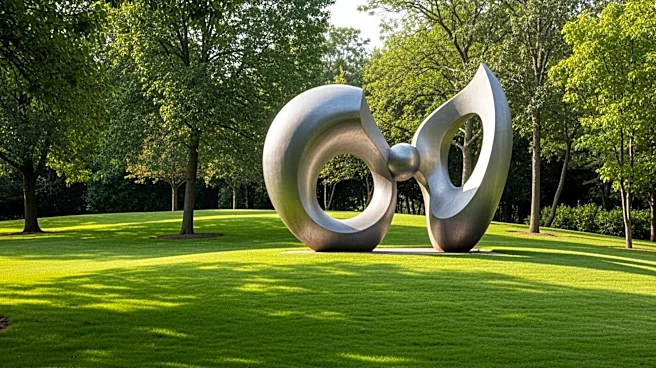
The deCordova Sculpture Park and Museum, located in Lincoln, Massachusetts, is providing visitors with a distinctive opportunity to engage with art in a natural setting. This outdoor museum invites guests to explore a variety of sculptures set against
the backdrop of the park's landscape. The park is designed to integrate art with nature, allowing visitors to experience the sculptures in a way that is both immersive and reflective of the surrounding environment. This approach not only enhances the appreciation of the artworks but also encourages a deeper connection with nature.
Why It's Important?
The deCordova Sculpture Park and Museum's approach to art presentation is significant as it challenges traditional museum experiences by taking art outside conventional gallery walls. This method can attract a broader audience, including those who might not typically visit indoor museums. By situating art in a natural environment, the park promotes cultural enrichment and environmental awareness simultaneously. This initiative can also boost local tourism and contribute to the cultural economy by drawing visitors to the area, thereby supporting local businesses and increasing community engagement with the arts.
What's Next?
As the deCordova Sculpture Park and Museum continues to offer this unique experience, it may inspire other cultural institutions to explore similar outdoor exhibitions. The success of such initiatives could lead to increased collaborations between artists and environmentalists, fostering new ways to present art that are both innovative and sustainable. Additionally, the park may expand its offerings with new installations or events that further integrate art with nature, potentially attracting even more visitors and enhancing its role as a cultural landmark.
Beyond the Headlines
The integration of art and nature at the deCordova Sculpture Park and Museum highlights broader cultural trends towards sustainability and environmental consciousness. This approach reflects a growing interest in eco-friendly practices within the art world, encouraging artists and institutions to consider the environmental impact of their work. By promoting outdoor art experiences, the park also contributes to discussions about accessibility and inclusivity in the arts, as it provides a more open and welcoming environment for diverse audiences.